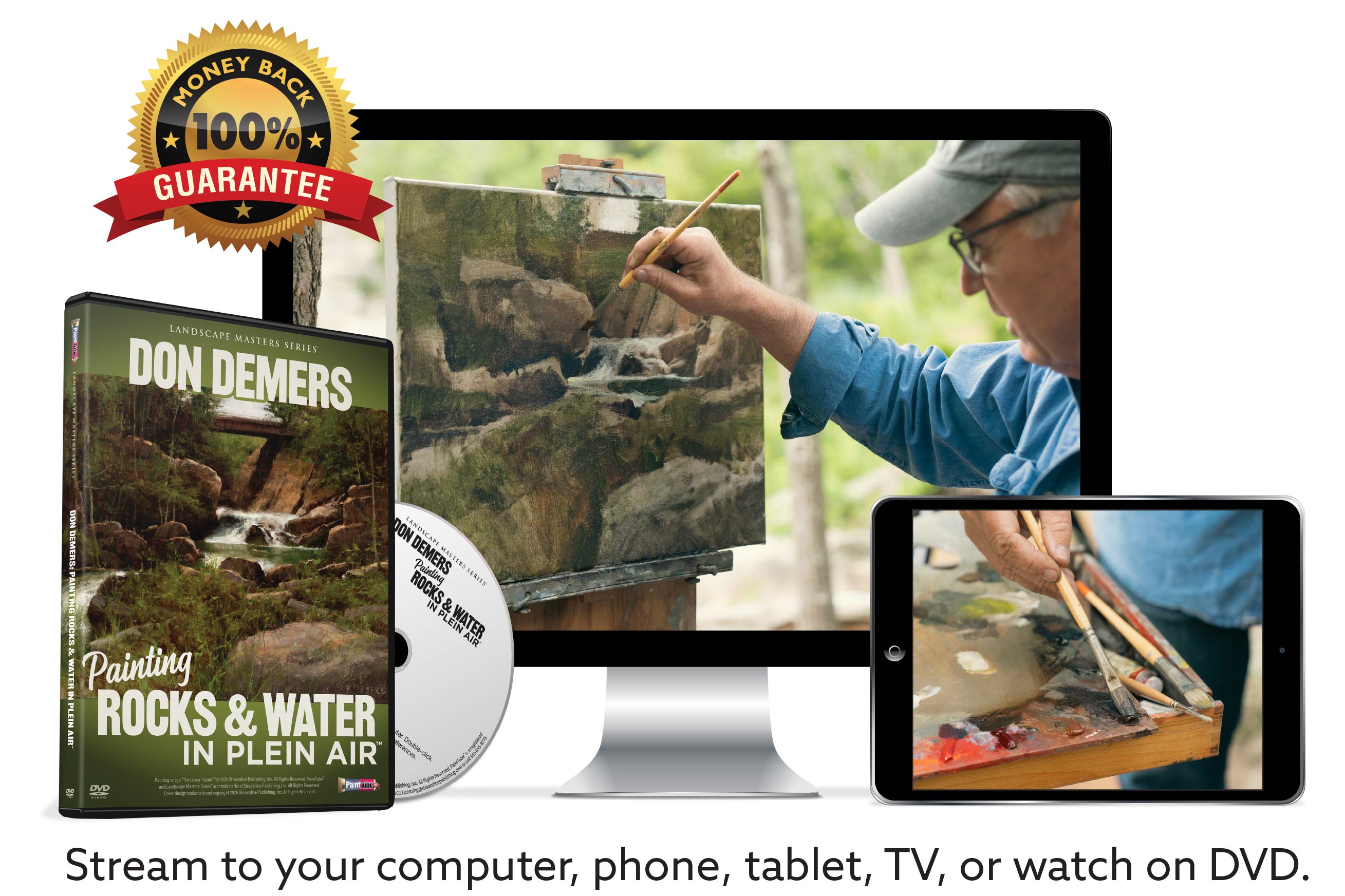
Painting Rocks and Water in Plein Air: An Adirondack Waterfall with Don Demers

Award-Winning Oil Painter Don Demers Shows You How to Paint a Forest Waterfall — On Location, Step by Step

HURRY, DISCOUNT ENDS SOON!

Available in both Streaming and DVD Formats

00Days
00Hours
00Minutes
00Seconds

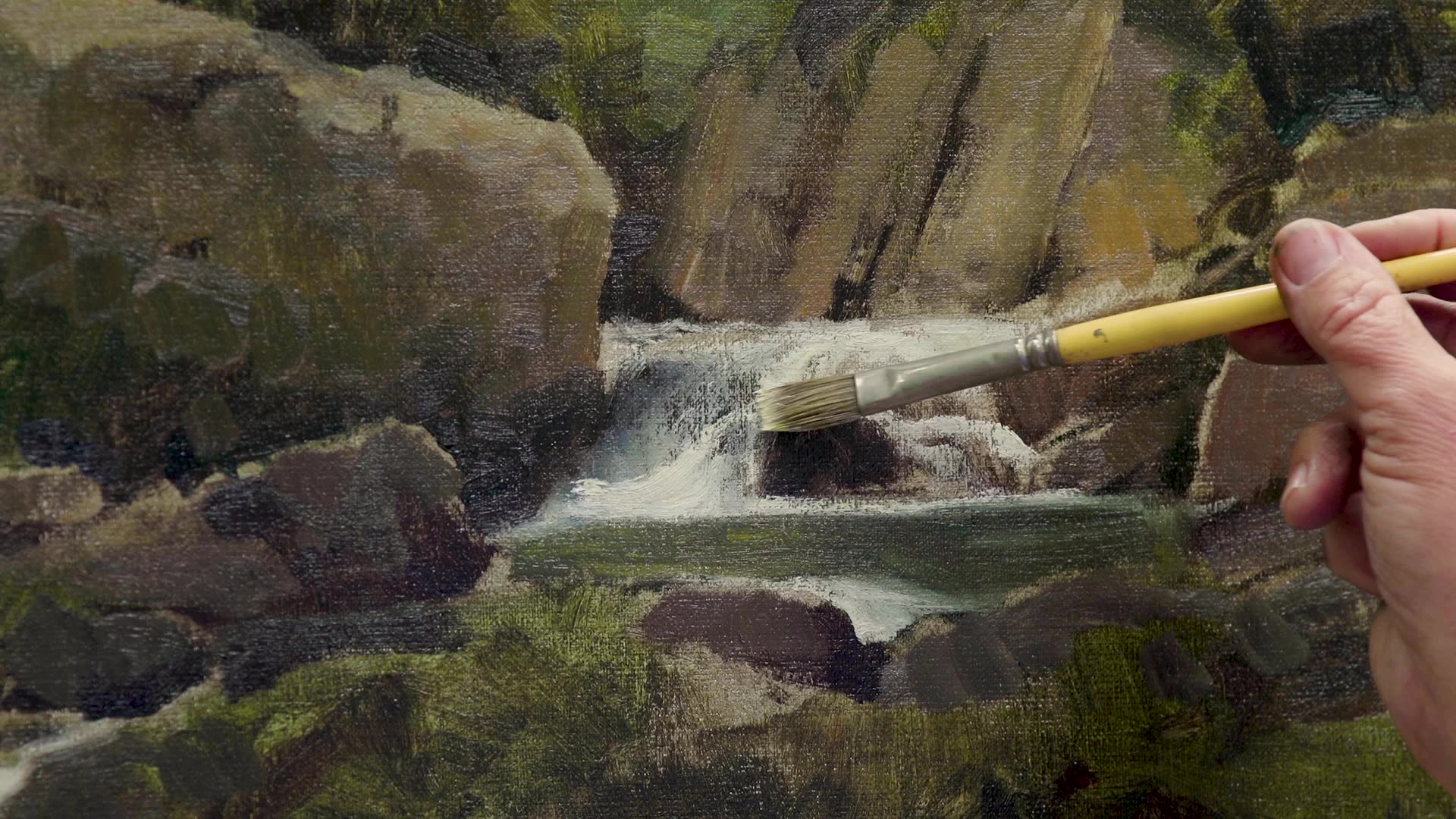
A rushing waterfall is one of the hardest things to paint.


The water is moving. The light keeps shifting. The rocks are all angles and edges. And somewhere in all that noise, you’re supposed to find a painting.


This video course was made to walk you through it.


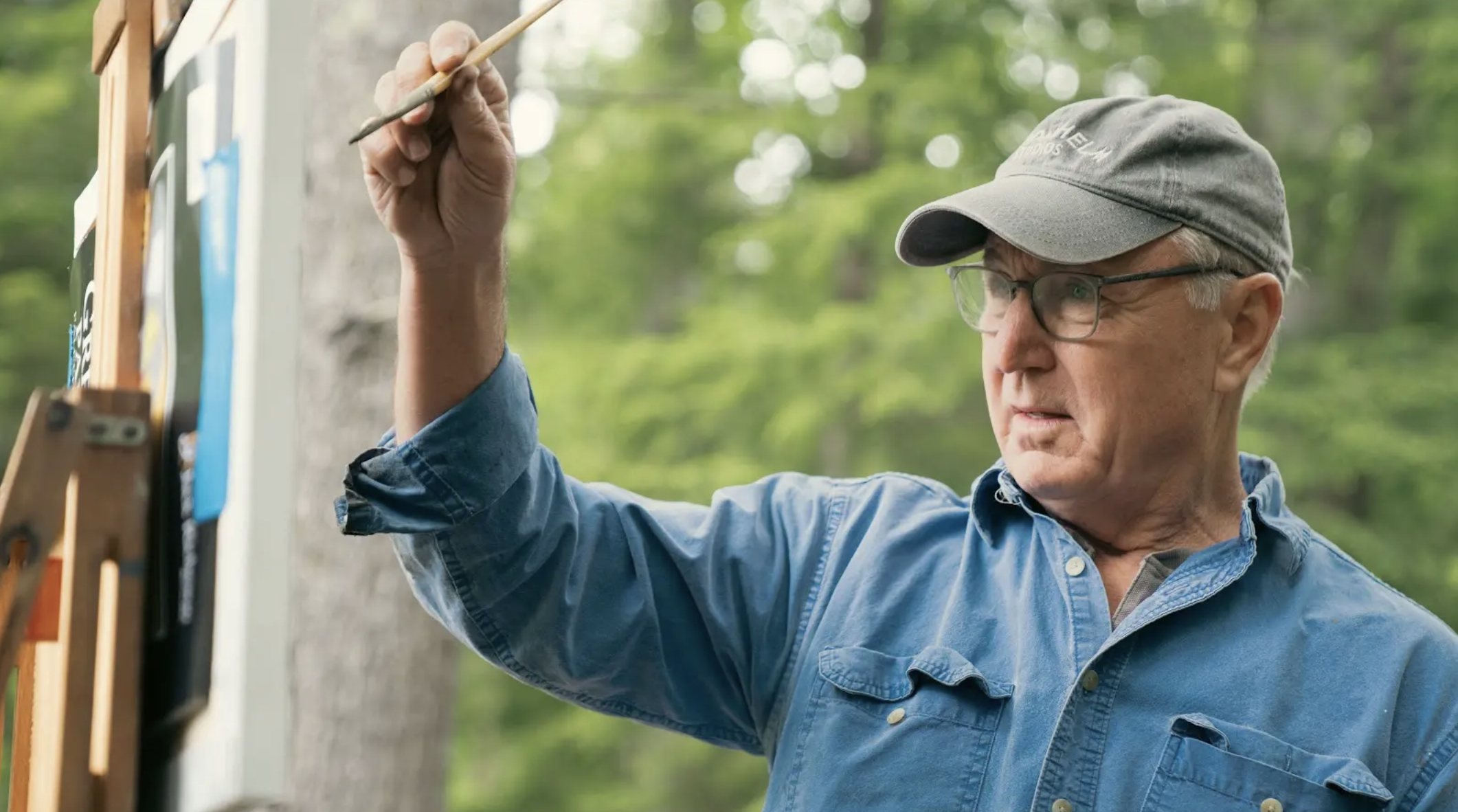
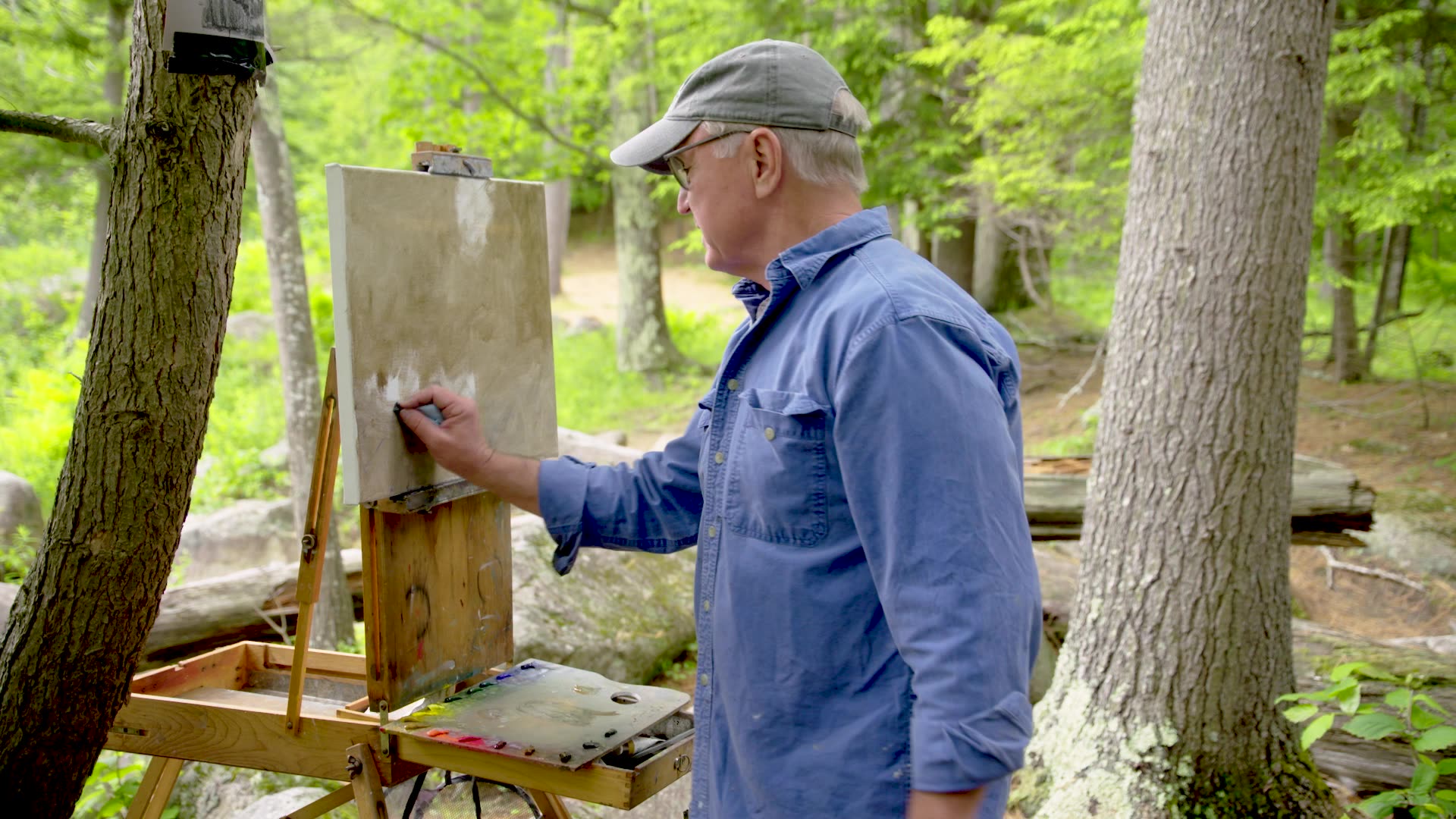
In Painting Rocks and Water in Plein Air, master oil painter Don Demers takes you deep into the Adirondacks to paint a woodland waterfall from life. You’ll stand at his easel with him and watch a deliberate working method take shape — the same approach he’s used to win some of the highest honors in American painting.


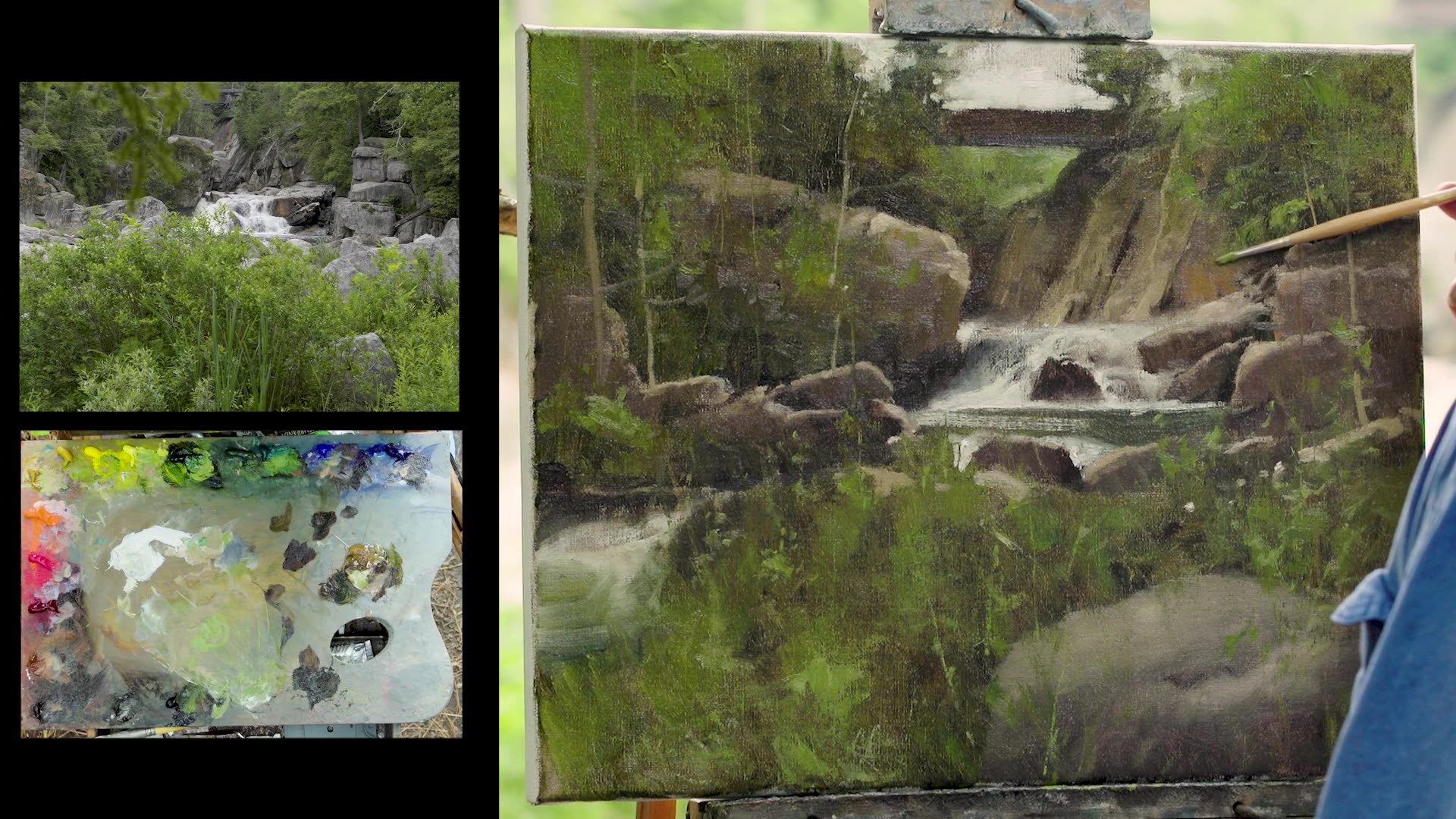
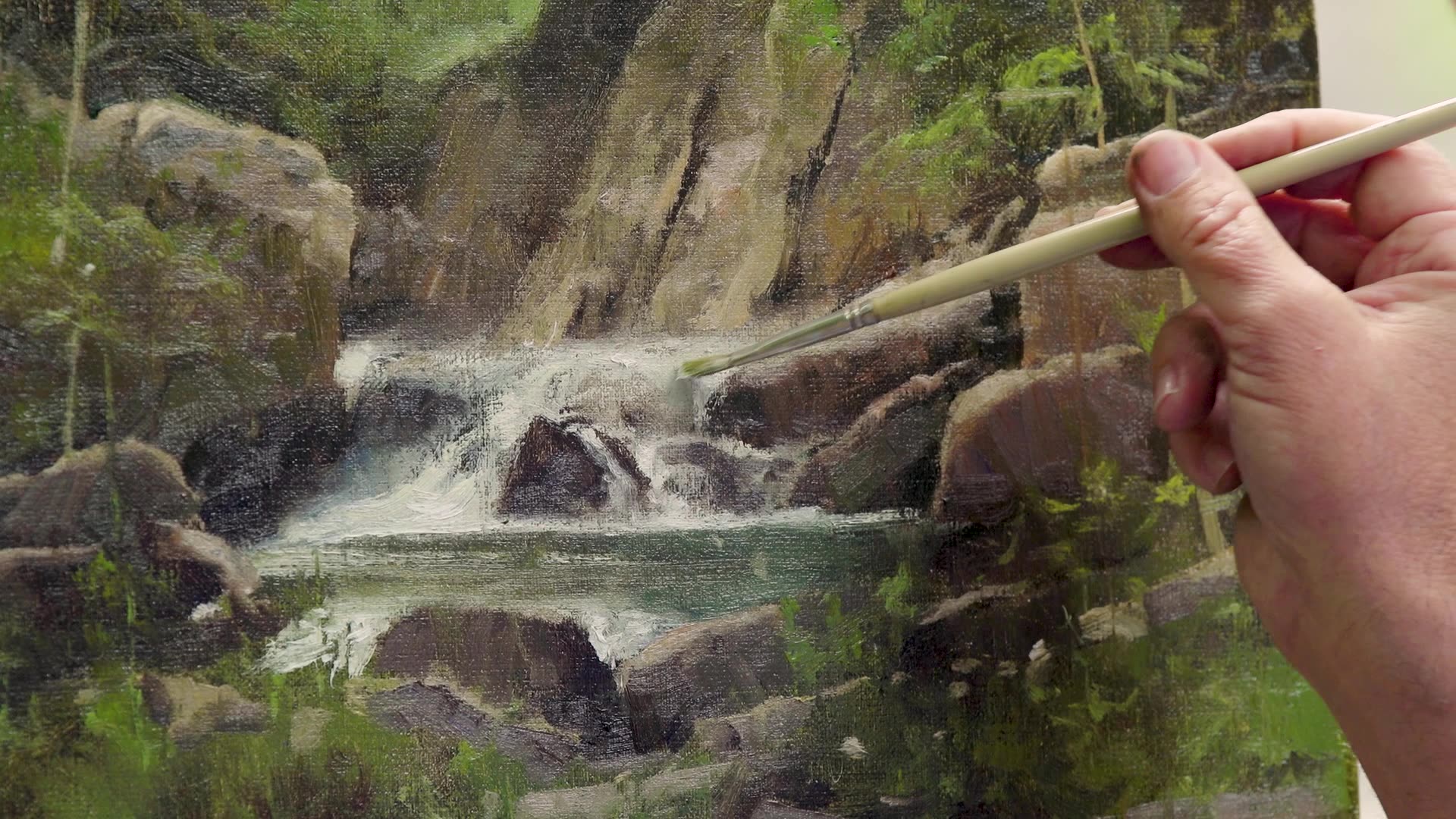
The demo painting, The Lower Flume, went on to win First Place in the Plein Air Category at the 17th ARC Salon.


You’re about to learn how he made it.

Paint the Lower Flume with Don, Step by Step

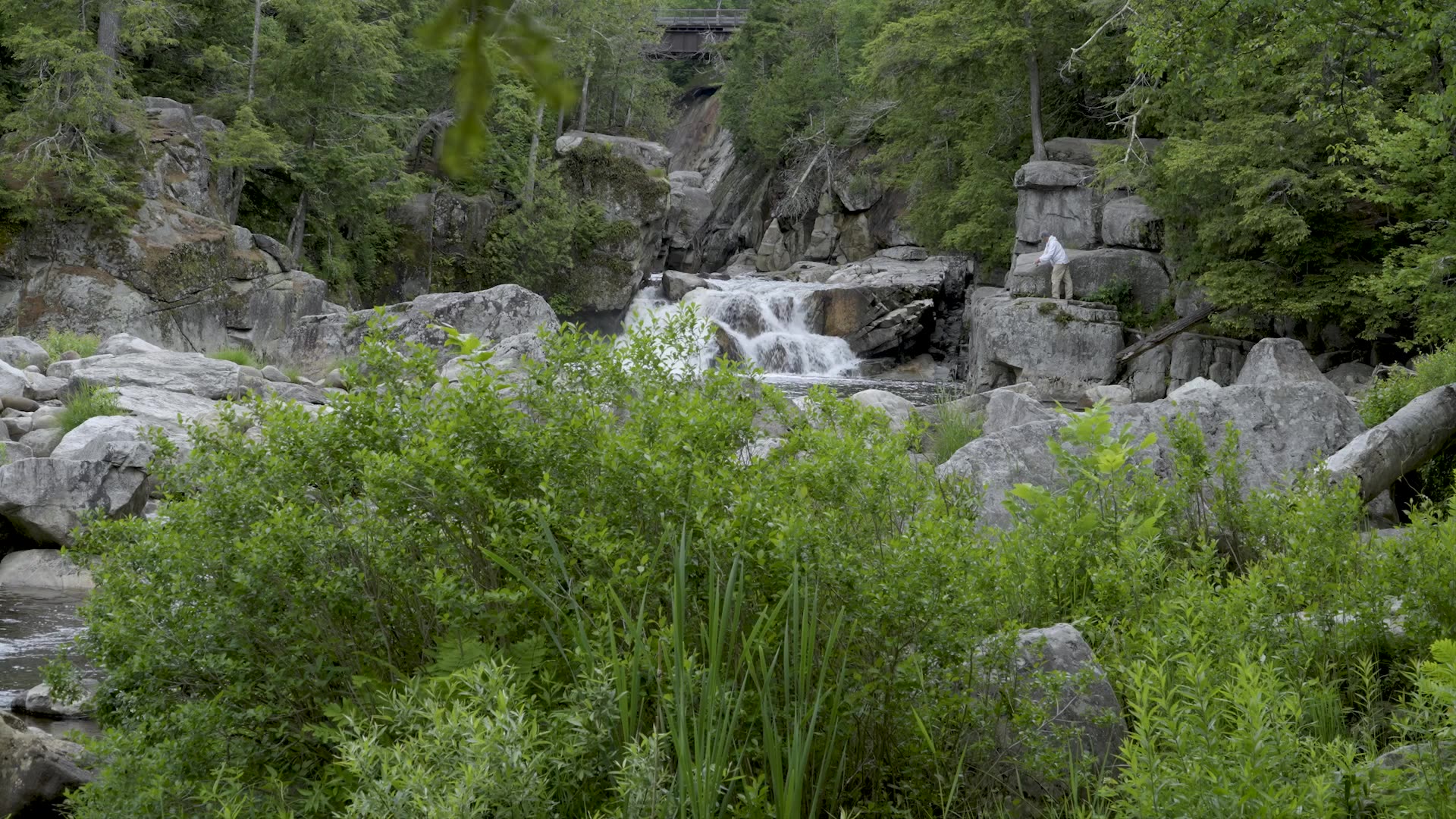
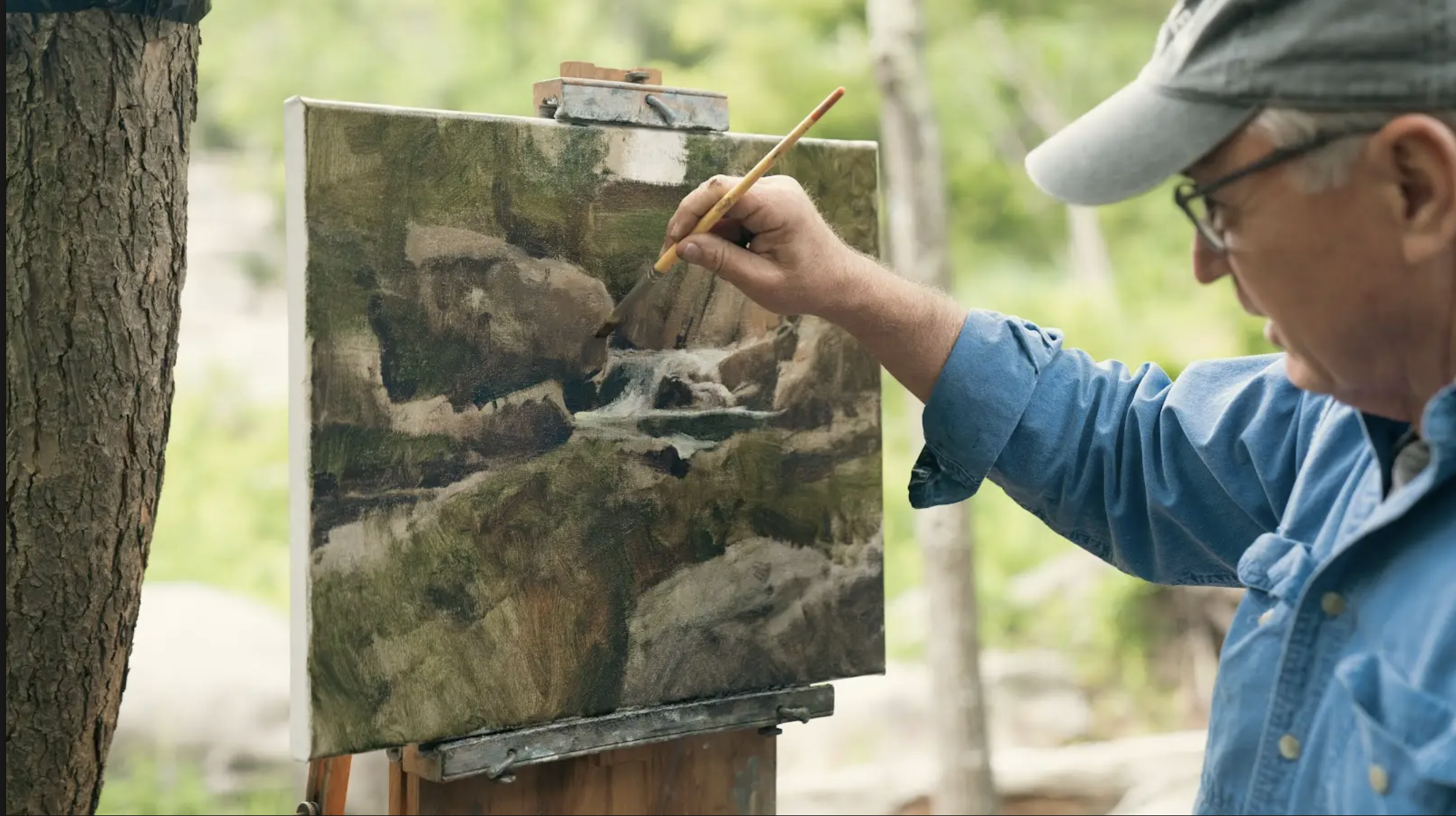
This is a full plein air demonstration, filmed on location at the Lower Flume waterfall in upstate New York.


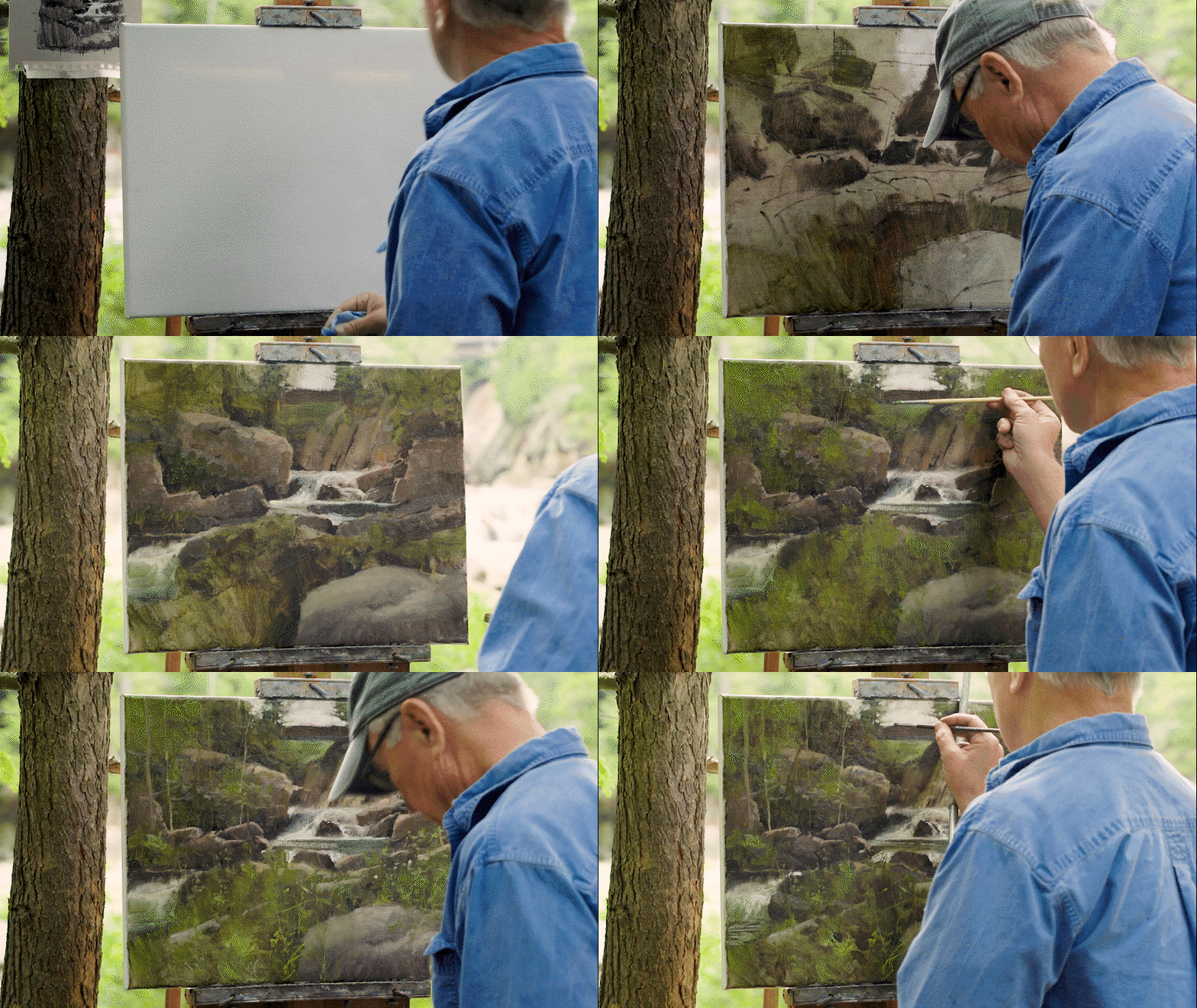
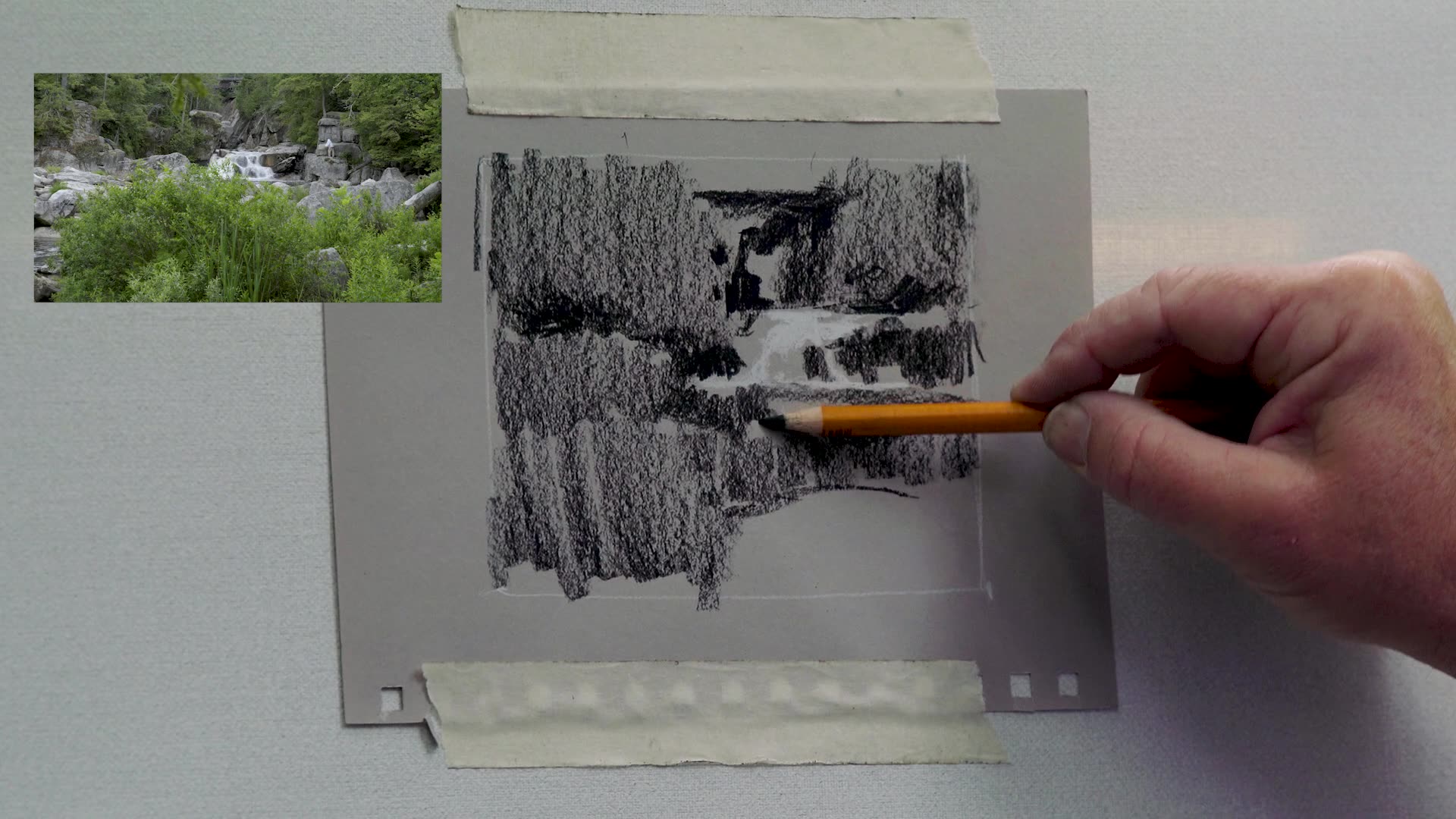
Don starts the way he always does — with a viewfinder and a thumbnail sketch, working out the big shapes before a brush ever touches canvas. From there, he builds the painting in clear, reliable stages: a tonal underpainting, a careful drawing in paint, a dark block-in, and then layer by layer toward the finish.


You’re not just watching him paint. You’re hearing him think — and learning the reasons behind every decision.

Available in both Streaming and DVD Formats

What You’ll Learn as You Watch

As the painting develops, you’ll learn how to:

  • Paint the action and movement of rushing water in oil
  • Capture the angular, architectural character of rocks
  • Work under “benign light” — soft, descending forest light without harsh temperature shifts
  • Build a scene in logical stages so problems get solved before they stack up
  • Let your brushwork mimic your subject — flowing strokes for water, sculptural marks for stone
  • Use observation and invention, so your painting feels true without being a copy of the scene

This isn’t a bag of tricks. It’s a foundation you can return to for the rest of your painting life.

Why This Approach Works

Most painters struggle outdoors because the scene in front of them is overwhelming — too much information, all demanding attention at once.


Don shows you how to cut through that.


His method helps you:

  • Decide why you’re painting the scene before you start
  • Work in stages you can trust, from abstract to specific
  • Stop and address problems before they multiply
  • Let your voice come through the method, not in spite of it

As Don puts it: “Painting on location is no time for visual procrastination.”


You’ll leave with a real working process — not just inspiration.

Learn From One of America’s Most Decorated Marine and Landscape Painters

DON DEMERS

Don Demers has spent his entire life painting the natural world.


He studied at the Worcester Art Museum School and the Massachusetts College of Art, then built a long career as a commercial illustrator — a discipline that taught him how to paint reliably, consistently, and on deadline. That same discipline now lives inside everything he teaches.


His honors are rare: a record 17 awards at the Mystic International Marine Art Exhibition, the Rudolph J. Schaefer Maritime Heritage Award, four recognitions from the Museum of American Illustration, features in PleinAir Magazine, Fine Art Connoisseur, American Artist, and Art & Antiques — and Lifetime Membership in the Salmagundi Club of New York City.


He’s a Fellow of the American Society of Marine Artists, a Signature member of Plein Air Painters of America, and a member of the Guild of Boston Artists and the California Art Club.


What his students remember most, though, isn’t the resume. It’s the way he teaches — patient, clear, generous with his reasoning. Nothing is a secret. Nothing is withheld.

Available in both Streaming and DVD Formats

This Video Course Is for You If…

  • You love painting outdoors but feel scattered once you’re at the easel
  • You’ve tried to paint water and rocks and walked away frustrated
  • You’ve learned the fundamentals but want to see a master apply them in real time
  • You want a reliable, repeatable process — not another pile of tips
  • You’re ready to stop copying what you see and start interpreting it

You’re not starting over.


This builds on what you already know — and shows you how to put it to work outside.

What Makes This Video Course Different


This isn’t a highlight reel. It’s a full, unhurried plein air session with one of the most respected painters working today.


You’ll see every stage — thumbnail to finish — with Don talking you through his reasoning as he goes. He shares his own mistakes and shows you how to make corrections. He’ll advise you on the best time to lean in and when to leave well enough alone.


Don doesn’t just show you what to do. He shows you how he decides — and maybe even more importantly, the why behind every decision — so you can bring that same way of thinking to your own easel, in your own woods, in front of your own water.

Available in both Streaming and DVD Formats

Your Lesson Plan!

Video length: Nearly 3 Hours, including a sit-down interview with Eric Rhoads

Introduction

Don welcomes you to the Lower Flume and sets the stage for what’s ahead. You’ll learn what drew him to this particular scene — the angular rocks, the descending forest light he calls “benign light,” the movement of the water, and the quiet rewards of working on location. He talks about what you can rely on in a scene and what you have to invent on your own.

Materials

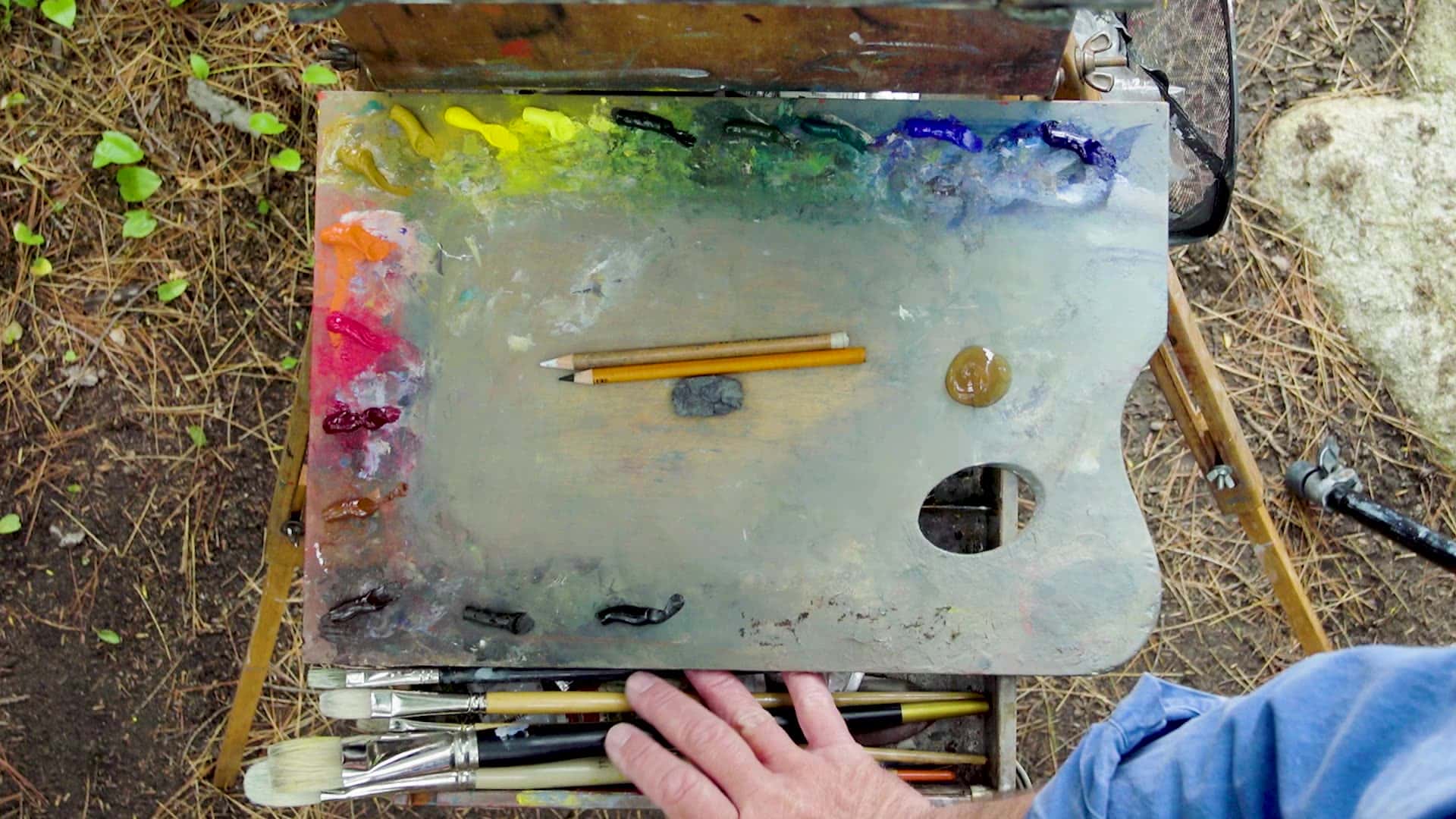
Don walks through his plein air setup, which isn’t that different from his studio kit. You’ll see his working oil palette, the three brush groupings he reaches for again and again, the oil-primed linen he prefers, and the small helpers — alkyd gel medium, mineral spirits, buffer cream — that keep a painting session comfortable.

The Thumbnail

Before a drop of oil hits the canvas, Don works out the painting on gray paper with charcoal and white chalk. You’ll learn his “space allocation” approach to composition, why the Rule of Thirds is a starting point rather than a strict rule, and how a small, thoughtful shape can carry an entire scene. As Don says: “The more abstract, the better, at this stage.”

The Underpainting Wash

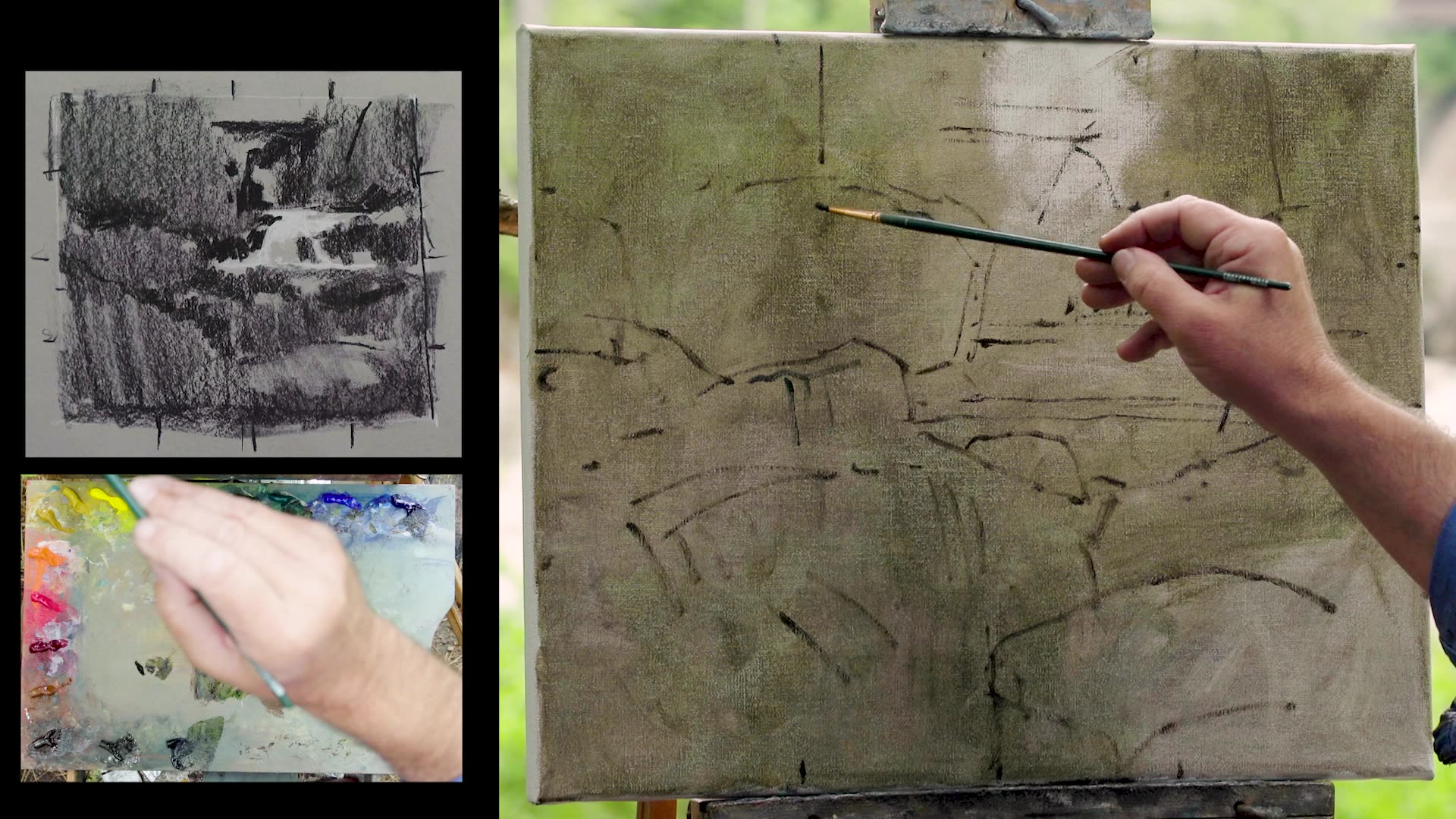
Don transfers his thumbnail to the canvas as a tonal, analogous underpainting — scrubbing on and wiping away color to set the value map for everything that comes next. You’ll learn his “Minority Rules Principle” and why this warmup stage is one of the most important in the whole process.

Refine the Drawing

Now Don draws the scene in paint. You’ll learn how he reads positive and negative shapes, how he thinks about rocks sculpturally in three dimensions, and why the first confident marks make everything that follows easier. Rim light. Edges. The architecture of stone. “If you put a mark down, mean it.”

Block in the Darks

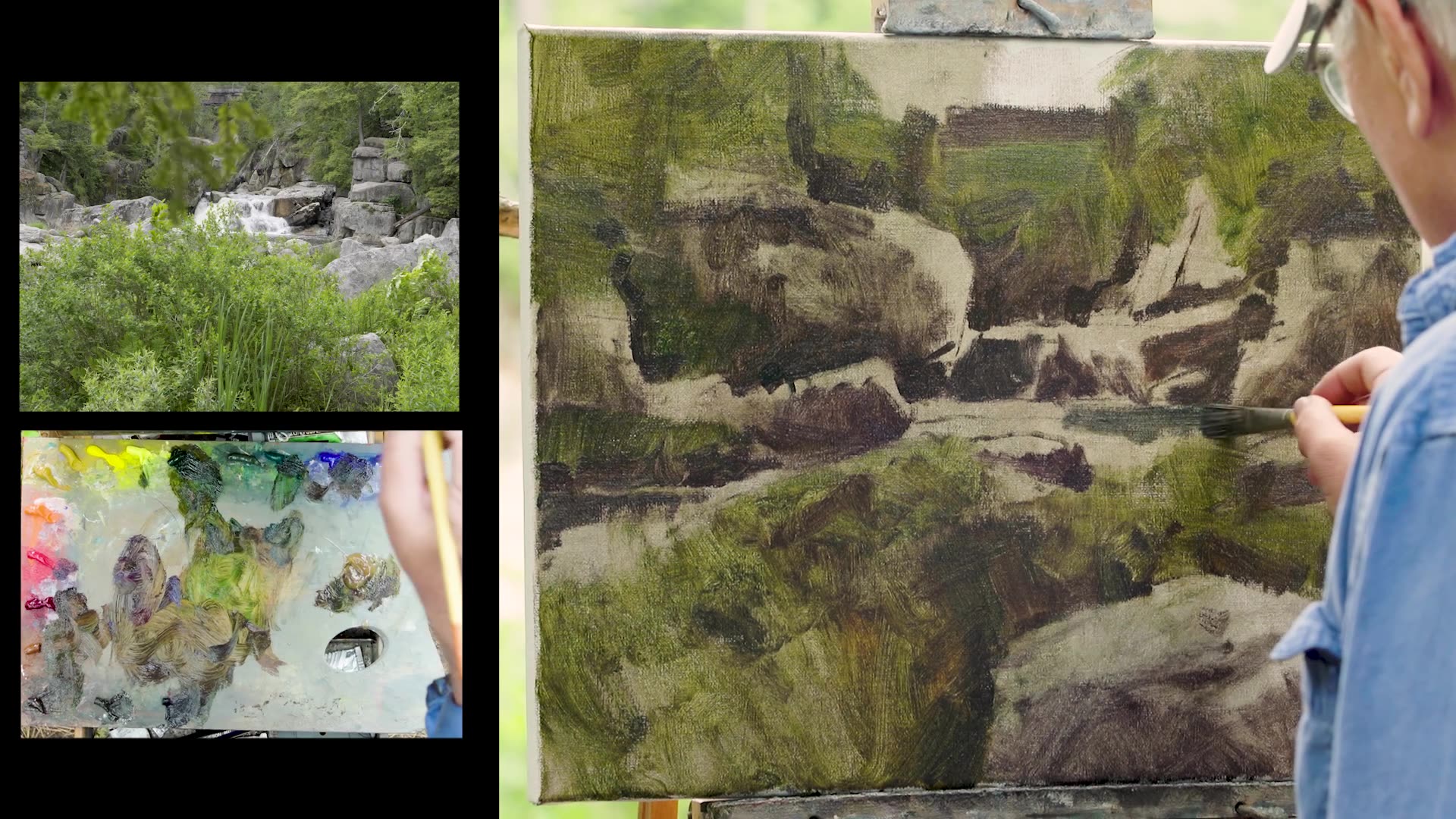
Don scrubs in the darks first — mapping the whole composition in two dimensions before a single detail appears. You’ll learn which brushes he reaches for when painting sculptural subjects, how to use brushwork to suggest foliage, how the light you’re painting under shifts your color temperature choices, and why you never need to finish the whole painting in one sitting.

Develop the Unified Whole

This is where the painting starts to breathe. Don brings in opaque passages over the transparent darks, building form and texture and color all at once. You’ll learn a clever trick for mixing with white, how to paint realistic rocks in a few decisive strokes, why “color dialogue” matters more than color itself, when to pull out the palette knife, and how to handle neutrals without turning them to mud.

Advance to Finish

Don brings in the smaller marks, the accents, the color punctuation. You’ll learn how to illuminate rocks using two colors for a single form, why the Apelles Line gives paintings their liveliness, how to paint colorful grays, what pushes a foreground forward, and how to tell when a passage needs definition versus when it needs to be left alone.

Finesse the Painting

The final marks have two jobs: to serve the whole painting, and to possess beauty. Don shows you his figure-eight brushwork for rushing water, how close values create atmosphere while wide values create dimension, and how to build a short punchlist to carry a painting home. As Don says, “We’re giving birth to the painting out here, but it can be caressed and finessed back at the studio.”

Available in both Streaming and DVD Formats

Here’s a small taste of what’s inside:

✅ Don’s complete nine-stage process for building a plein air oil painting from thumbnail to finish

✅ How to paint rushing water and waterfalls with brush movement that actually mimics the movement of the water

How to paint rocks that look like rocks — angular, architectural, illuminated, wet or dry


✅ The reasoning behind his famous “observation plus invention” approach to representational painting


✅ How “benign light” works in forest scenes, and how to manage color temperature beneath it


✅ 
How to use edge manipulation, scumbling, and scrubbing transparent layers to build depth

How to know when a painting is finished — and the two questions Don always asks himself at the end

… and much, much more! 

The Transformation You’ll Experience:

Before

❌ Plein air feels rushed, chaotic, and overwhelming

❌ Water looks stiff; rocks look flat; foliage looks pasted on

❌ You copy what you see and wonder why the painting feels dead

❌ You’re not sure when a painting is finished

After

✅ A calm, reliable nine-stage process you can trust on any subject

✅ Brushwork that mimics your subject — moving water, sculptural stone, breathing woods

✅ You observe and invent, and the painting feels alive

✅ You know the two questions to ask at the end — and you trust your own answers

Available in both Streaming and DVD Formats

What This Course Includes

  • Full-length plein air painting demonstration of The Lower Flume from start to finish
  • Materials walk-through covering Don’s palette, brushes, surface, and plein air setup
  • High-Speed View — the complete painting condensed into a time lapse for quick reference and enjoyment
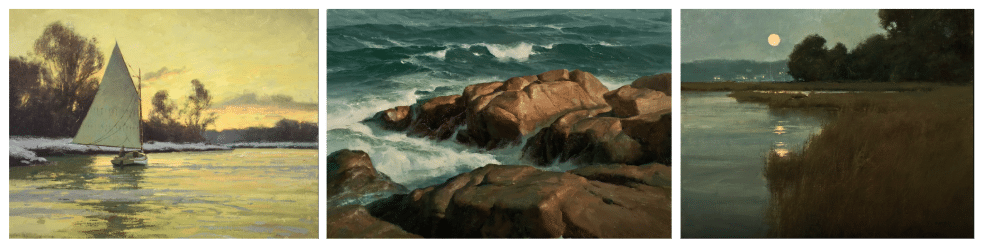
  • Exhibit of Works — a curated gallery of Don’s paintings set to music
  • Interview with the Artist — a conversation with Eric Rhoads about Don’s life, career, and painting philosophy

What You’ll Get From This Course

  • A reliable, repeatable nine-stage plein air process you can use on any subject
  • Practical brushwork lessons for water, rocks, foliage, and atmosphere
  • A clear working understanding of values, edges, and color temperature outdoors
  • The thinking of a master painter as he guides you through each stage of the painting in real time at his easel

The Result

After watching, you’ll stand in front of a waterfall — or a meadow, or a harbor, or a hillside — with a real plan.

You’ll know how to break the scene into shapes. You’ll know what to paint first and why. You’ll know when to observe and when to invent. And you’ll know when to stop.

Most of all, you’ll know how to get out of your own way and let the painting happen the way Don does — logically, patiently, and with a reason for every mark.

Don Demers is a Fellow of the American Society of Marine Artists, a Lifetime Member of the Salmagundi Club, and the holder of a record 17 awards at the Mystic International Marine Art Exhibition. The demo painting in this course won First Place in the Plein Air Category at the 17th ARC Salon.


Access to this caliber of instruction — an unhurried afternoon at the easel of a painter at the top of his craft — is rare.


Imagine what it’s worth to skip years of trial and error and learn directly from a master who is genuinely good at teaching. What’s that time worth?


For much less than the price of a single workshop, you get to learn career-shaping techniques from one of America’s most respected living painters — plus, this course is yours to watch for life! No subscription. No need to purchase again — it’s yours for good.


We highly recommend you go through this course at least twice to cement the lessons into your subconscious.

30-Day 100% Money-Back Satisfaction Guarantee!


After you go through this course, we want you to be completely satisfied and feel confident that you’ve improved your painting skills.


However, if after watching the video, you decide it’s just not for you, let us know within 30 days of purchase and we’ll refund 100% of your money.


Disclaimer

Results require practice and dedication. The techniques taught in this video need to be studied and implemented consistently to achieve improvement in your paintings. Individual results will vary based on experience level and amount of practice.

CHOOSE YOUR FORMAT!

FREE U.S. SHIPPING FOR A LIMITED-TIME

StreamingDVDStreaming + DVD
00Days
00Hours
00Minutes
00Seconds
$127.97$97.97

Experience The PaintTube Difference!

Enjoy Premium Art Instruction From The World’s Leading Artists


700+ step-by-step video courses so you can build your own custom curriculum and learn from home — at your pace.


PaintTube provides premium art instruction designed to help you learn faster and retain more, delivering Hollywood-quality, professionally produced, high-definition art instruction videos with extreme clarity, excellent sound, and perfect light.


Our painting demonstrations offer you extreme closeups and detail, with a better view than you could get in the first row of an in-person workshop. You’ll have clarity and understanding of each brushstroke, giving you the best art education ever.

To your success!

Eric Rhoads, Publisher

PaintTube.tv

Though you can observe the techniques of any artist instantly by watching them demonstrate and by watching the videos repeatedly, please know that, though many artists offer insights that can help people overcome a lot of learning time, every artist learns at their own speed based on their own level of understanding. Painting and drawing bring great joy, though the joy may come from practicing various techniques over and over until you master them. We do not wish to indicate that you, or anyone, can skip the joy of practice and the challenges of getting better. Painting is a lifetime endeavor, and getting good does not typically happen rapidly, or instantly. Your results may vary. And please know that if at any time within 30 days you feel this video has not lived up to your expectations or its promise, we will happily refund your money.