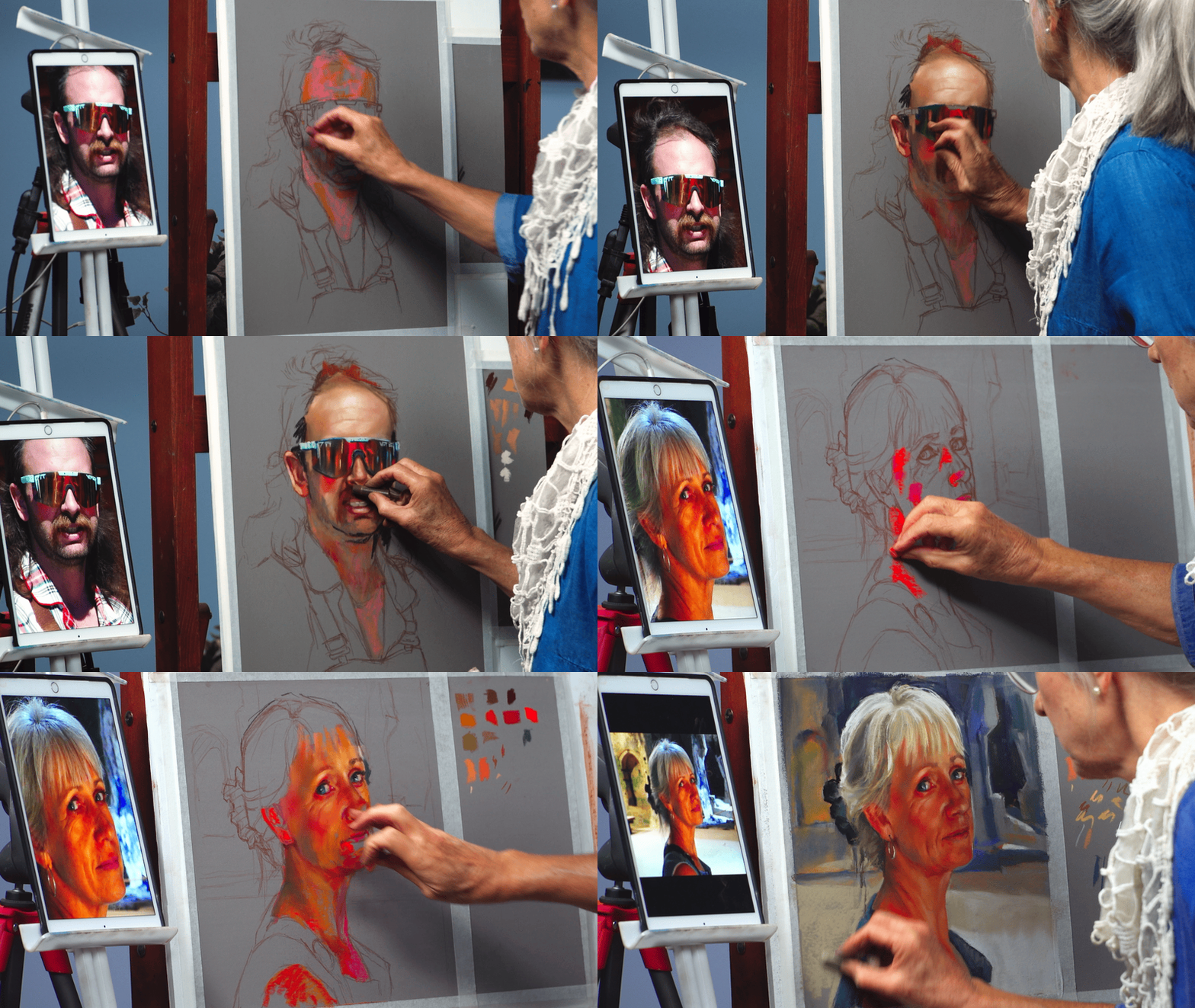
Finally Paint Pastel Portraits That Look Alive — Not Flat, Muddy, or “Almost Right”

Follow Australian Master Pastelist Lyn Diefenbach through two complete portrait demonstrations and learn her repeatable process for capturing likeness, sculpting form, and bringing real personality to the face.

HURRY, DISCOUNT ENDS SOON!

Available in both Streaming and DVD Formats

00Days
00Hours
00Minutes
00Seconds

Portraits have a way of exposing every weakness in your painting.


The likeness almost lands … but something feels off.


The face has the right features … but it looks flat, like a mask instead of a person.


The skin tones look promising at first … then the color turns muddy as the layers build.


And when it comes time to commit to the darks, the structure, the edges, and the final details, it can feel like the whole painting is one wrong mark away from falling apart.


If you’ve painted for years and still feel uncertain in front of a portrait, you’re not alone.


Portraits are demanding because they require everything at once: drawing, value, color, edge control, proportion, likeness, expression, and restraint.

That’s exactly why this course was created.


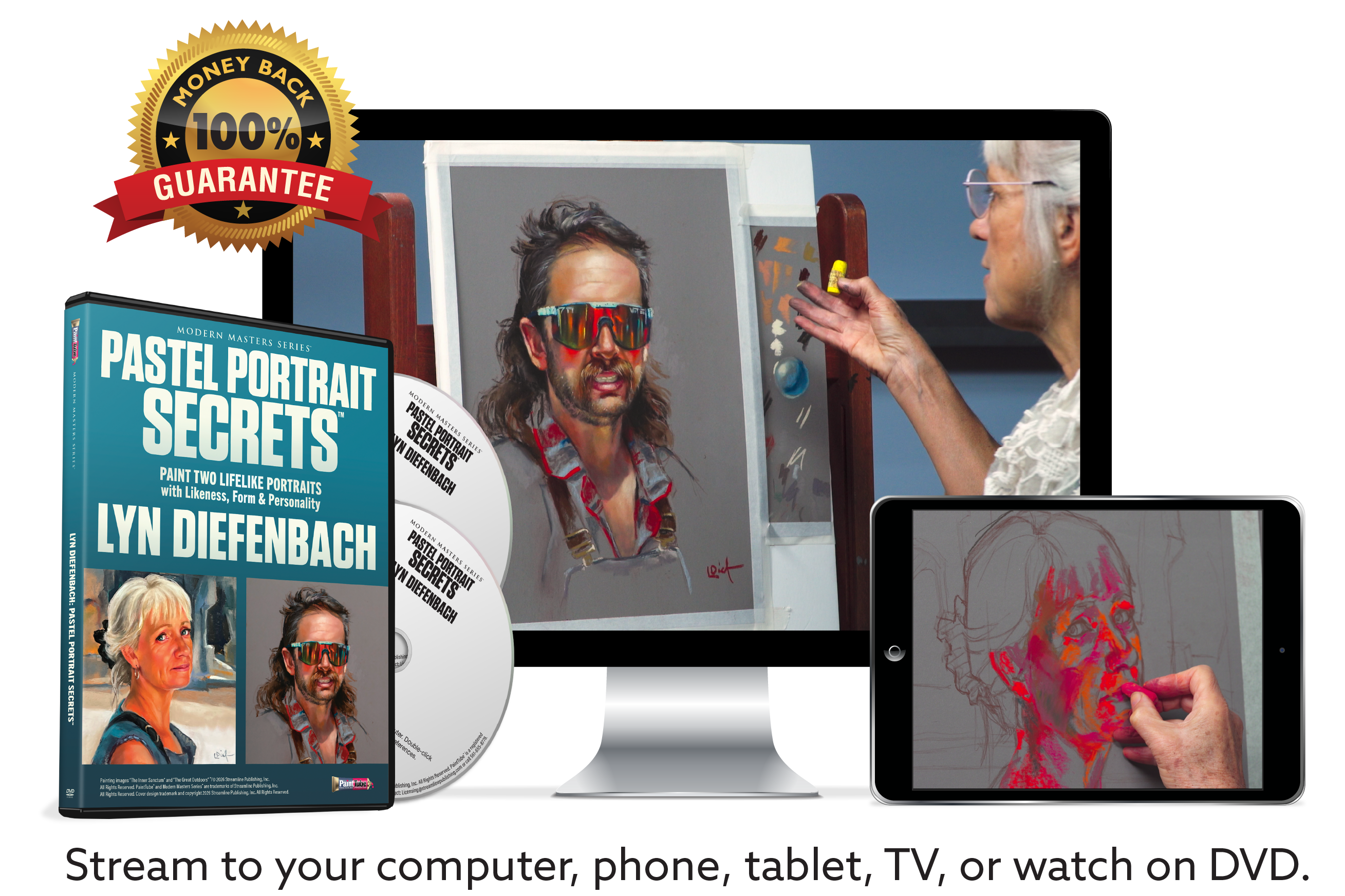
In Pastel Portrait Secrets, Australian master pastelist Lyn Diefenbach gives you a clear, repeatable way to build a pastel portrait from the first drawing marks to the final finish.


You’ll watch Lyn paint two complete portraits from start to finish:


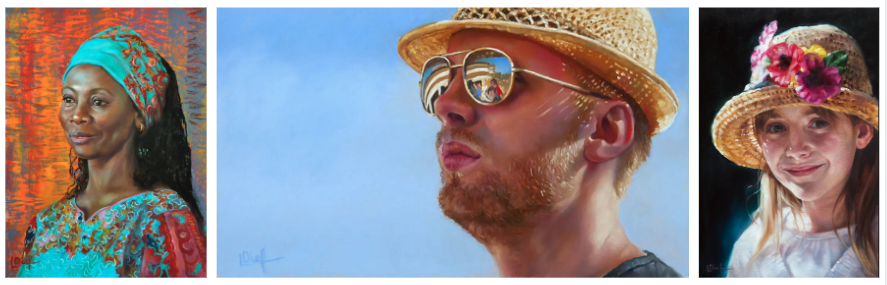
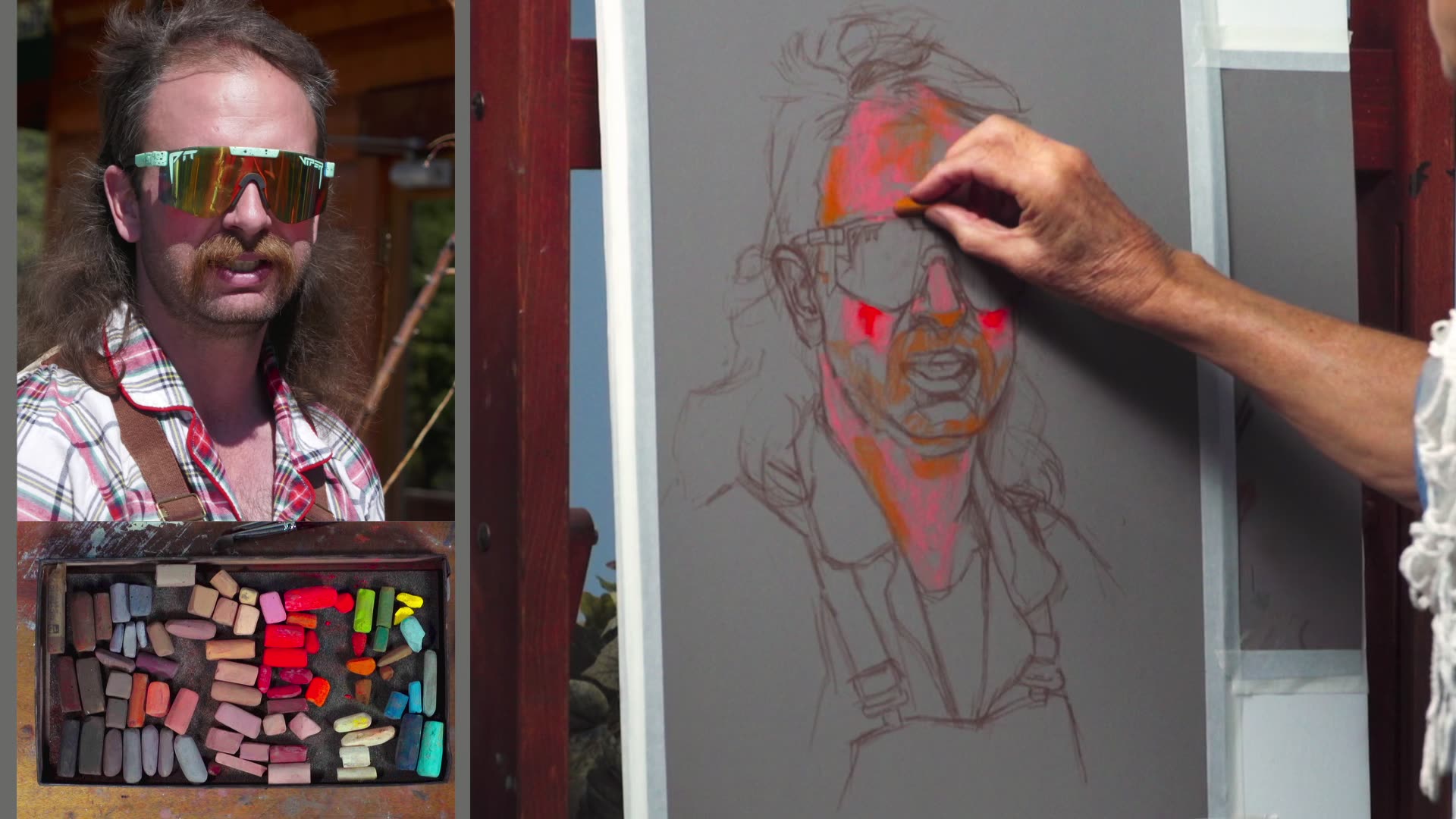
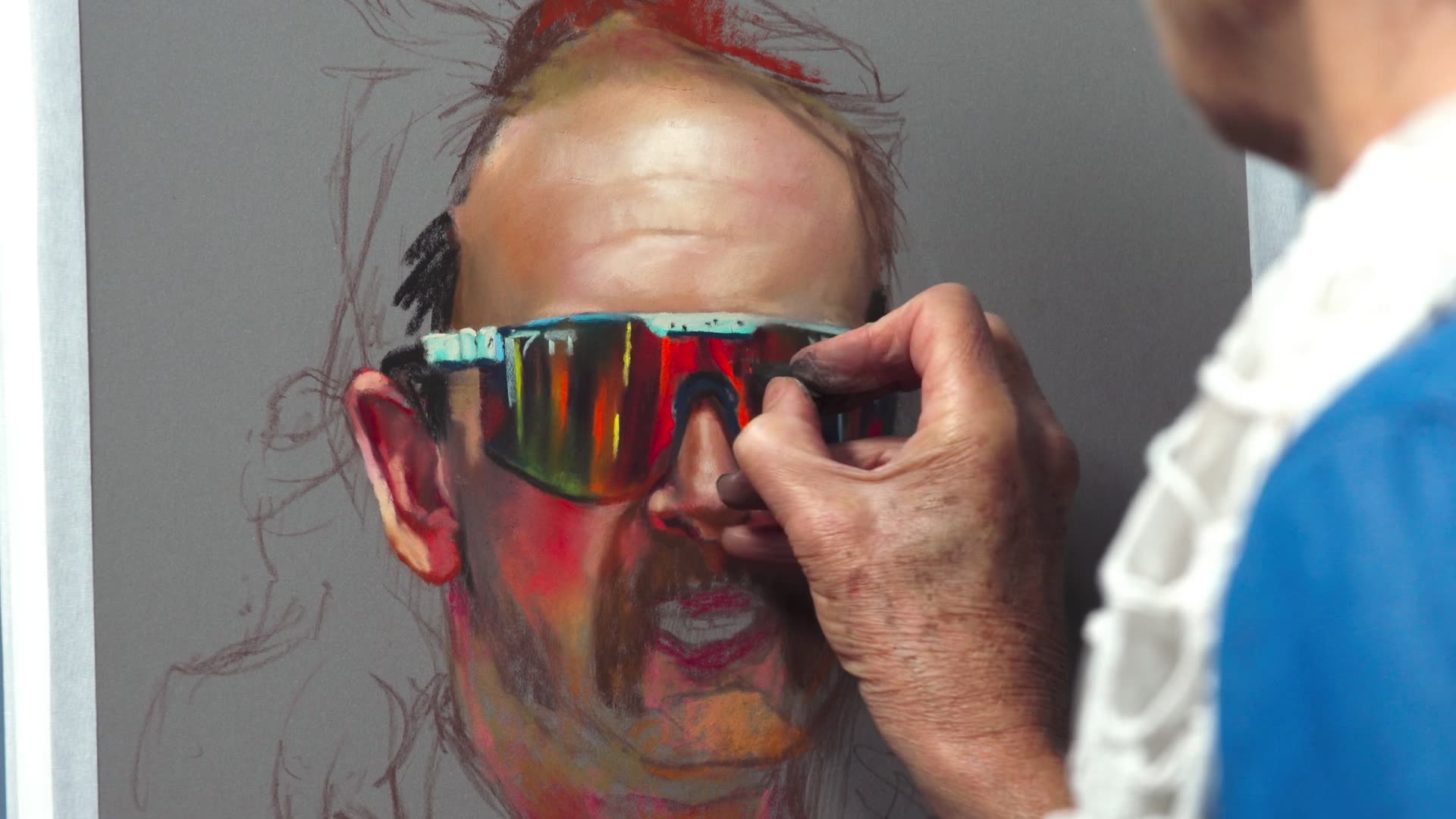
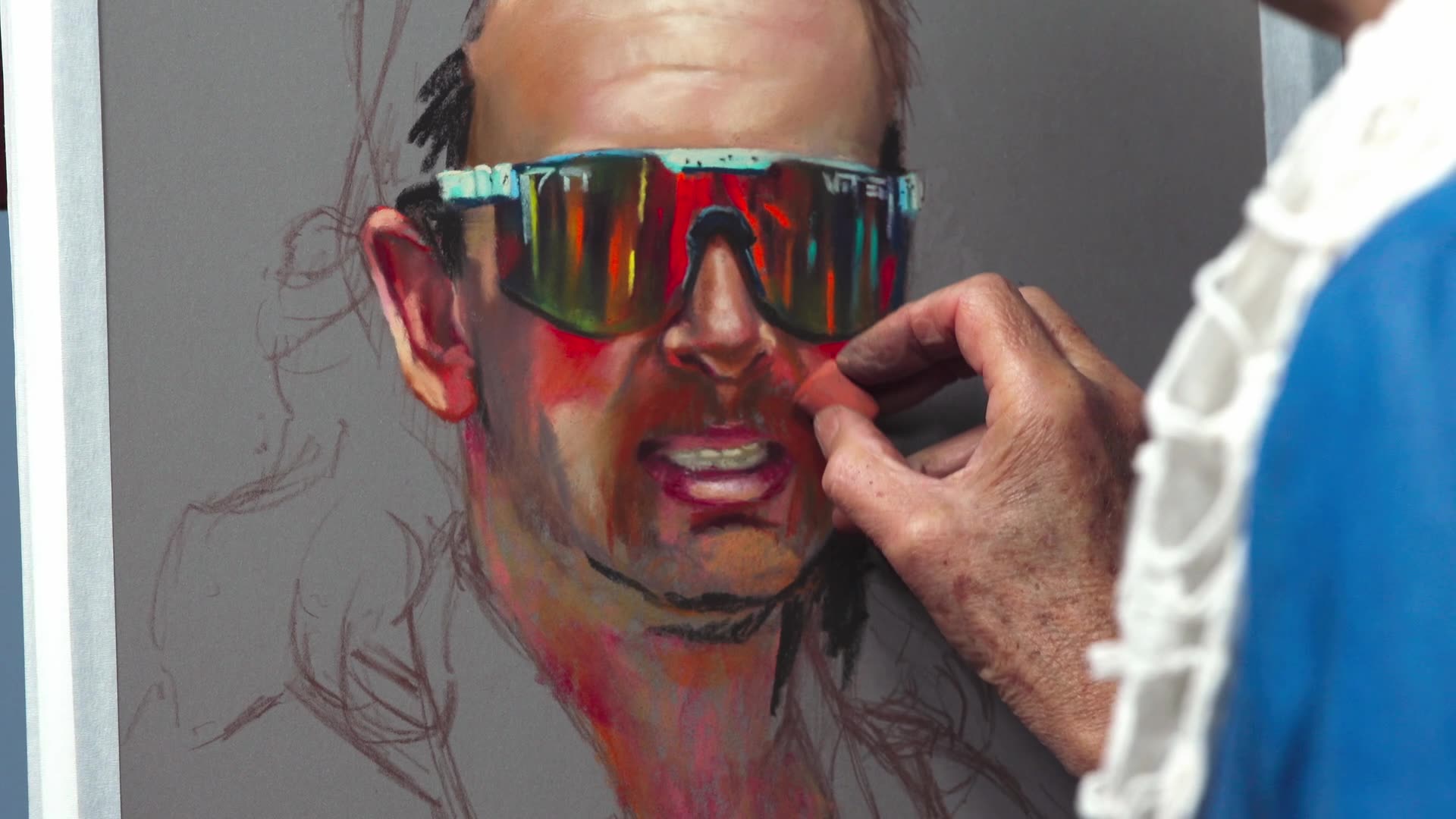
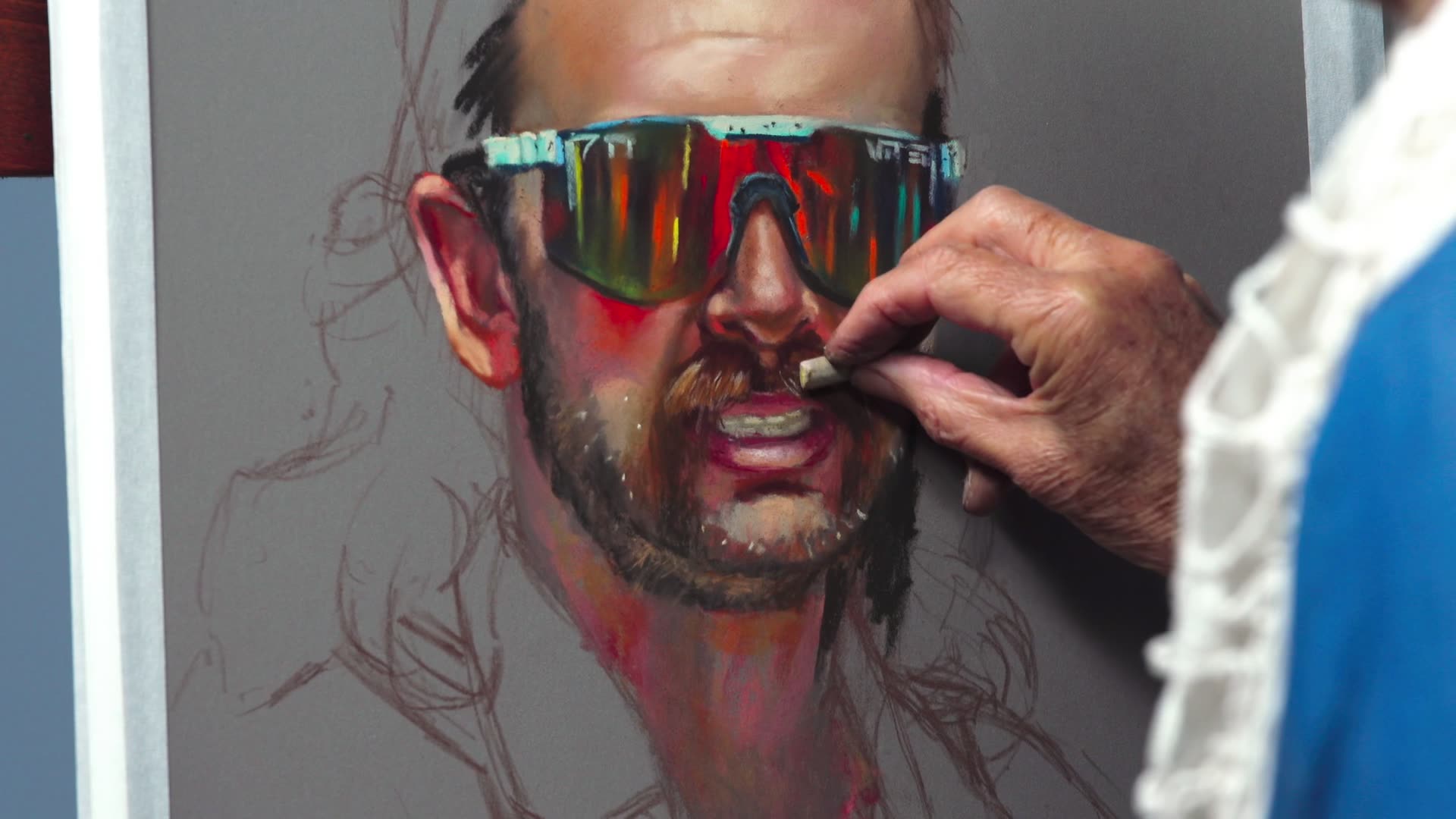
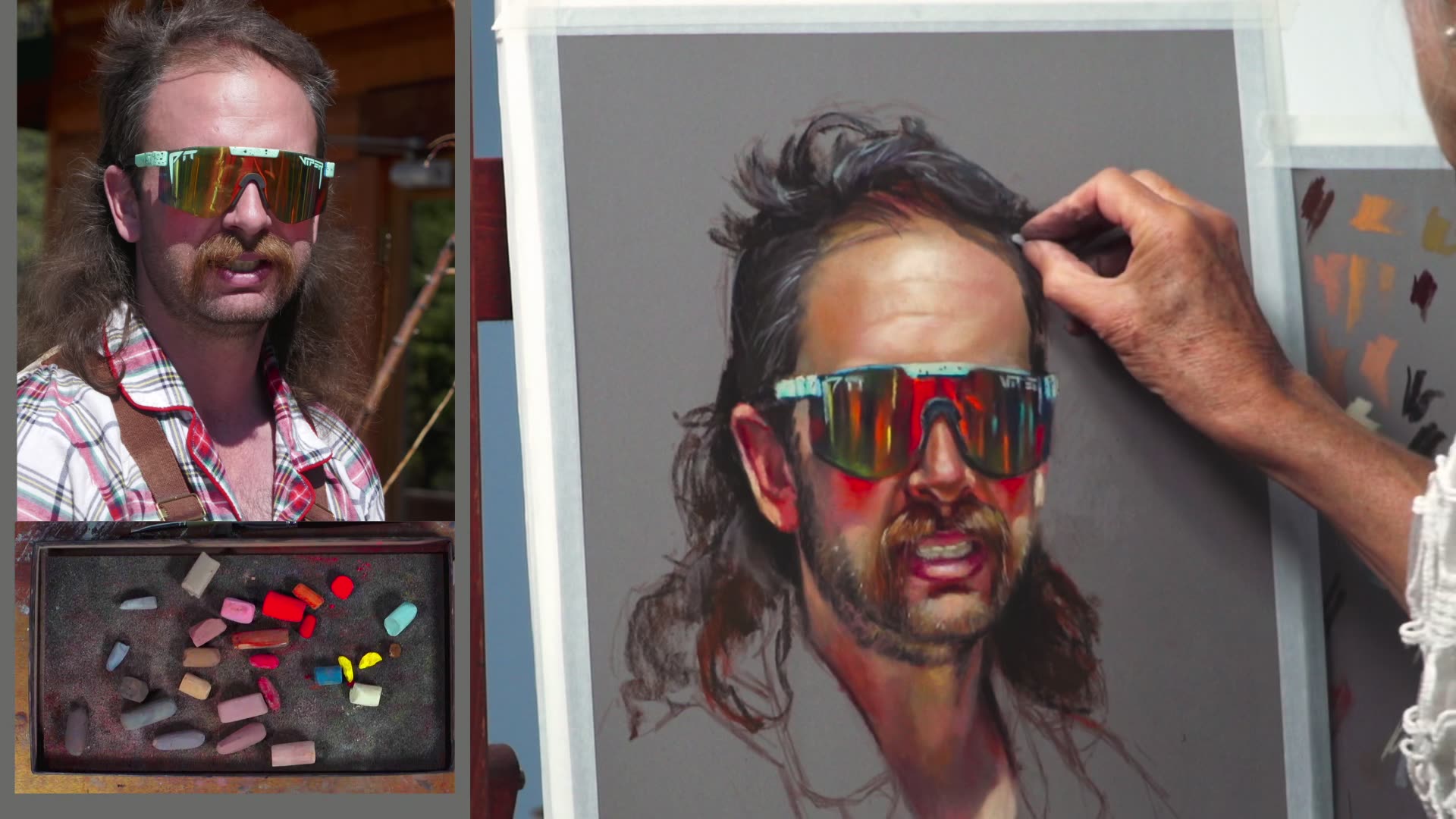
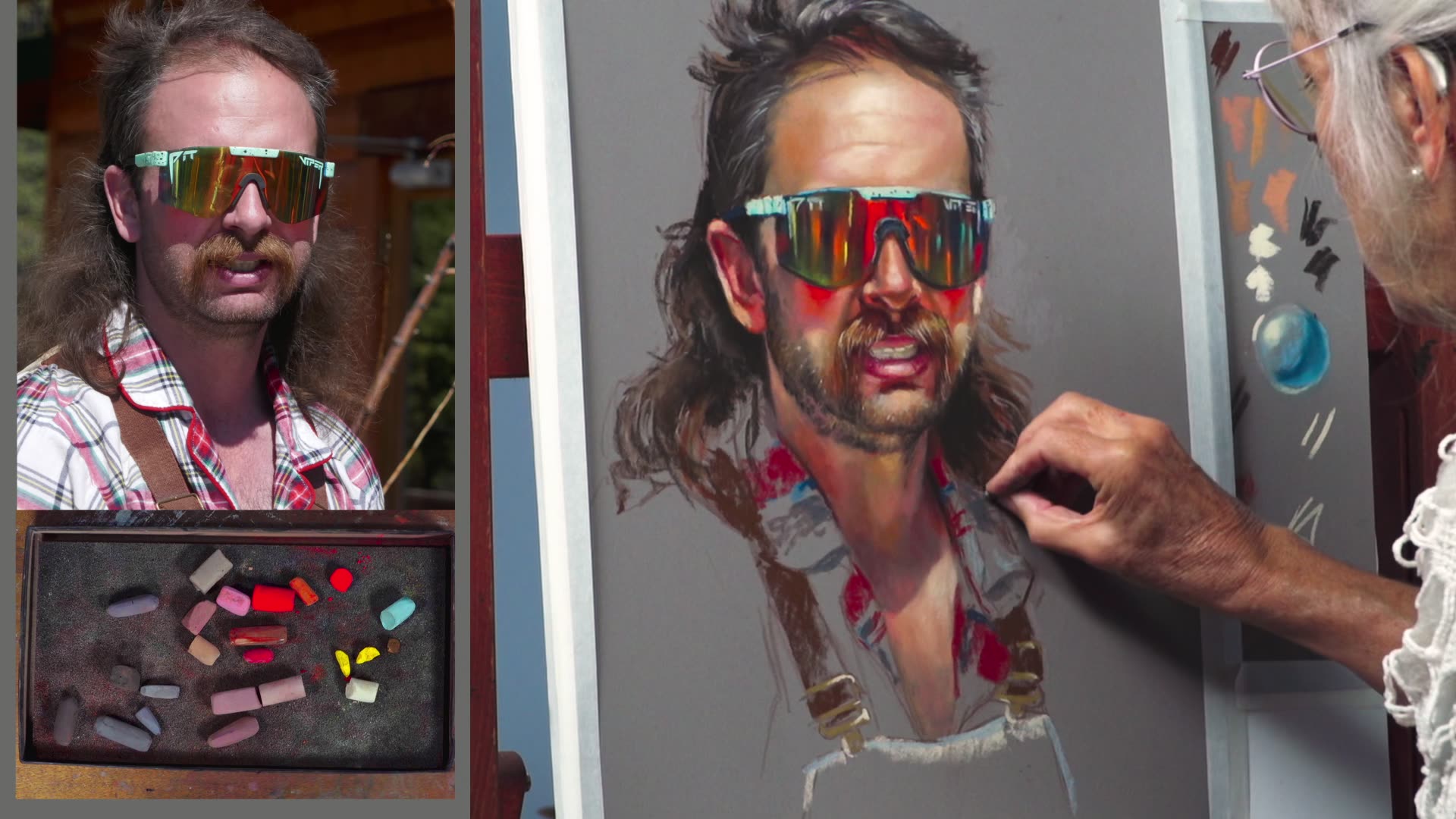
The Great Outdoors — a male portrait in warm, bright light, with facial hair, strong features, and reflective sunglasses


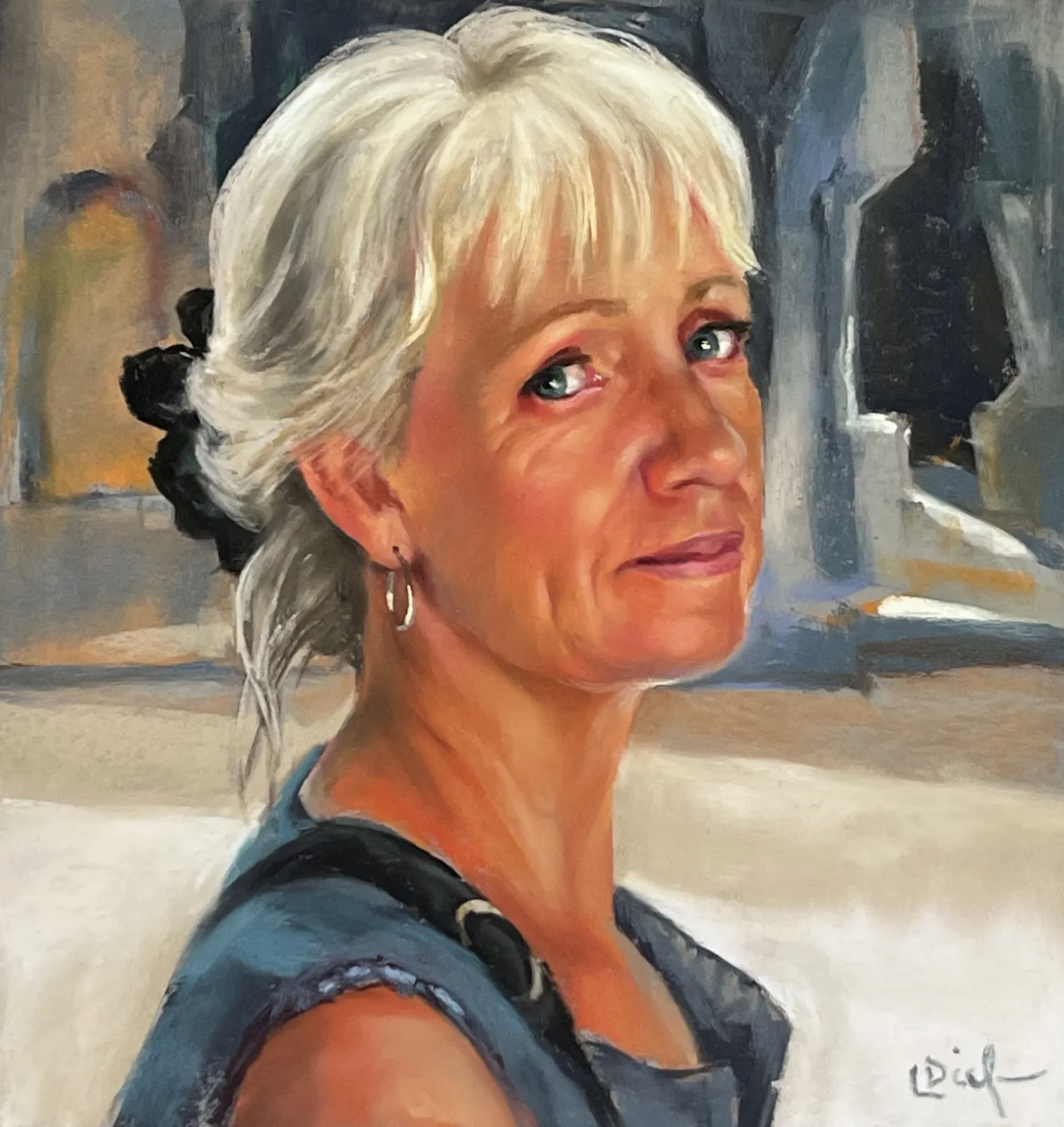
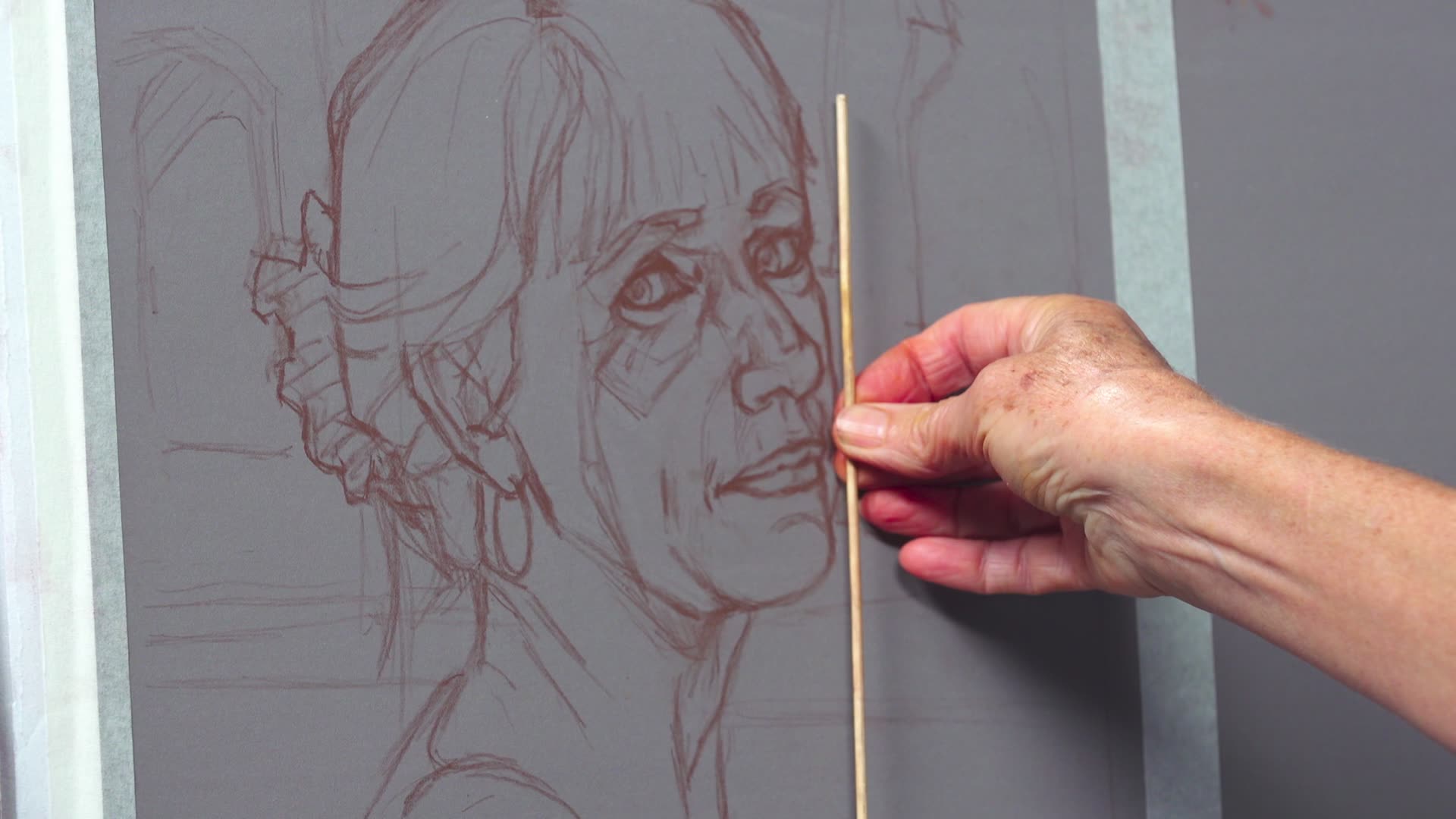
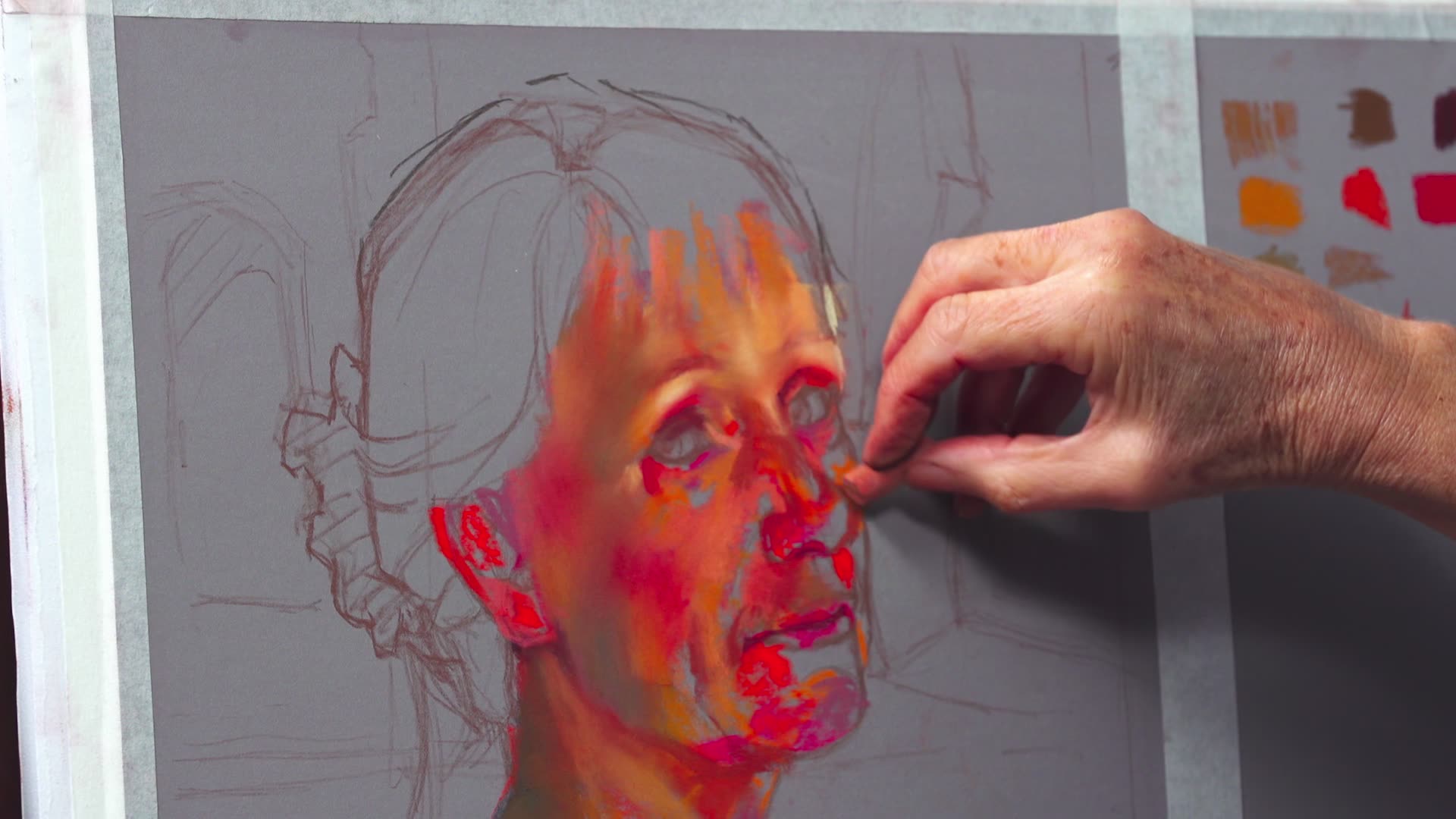
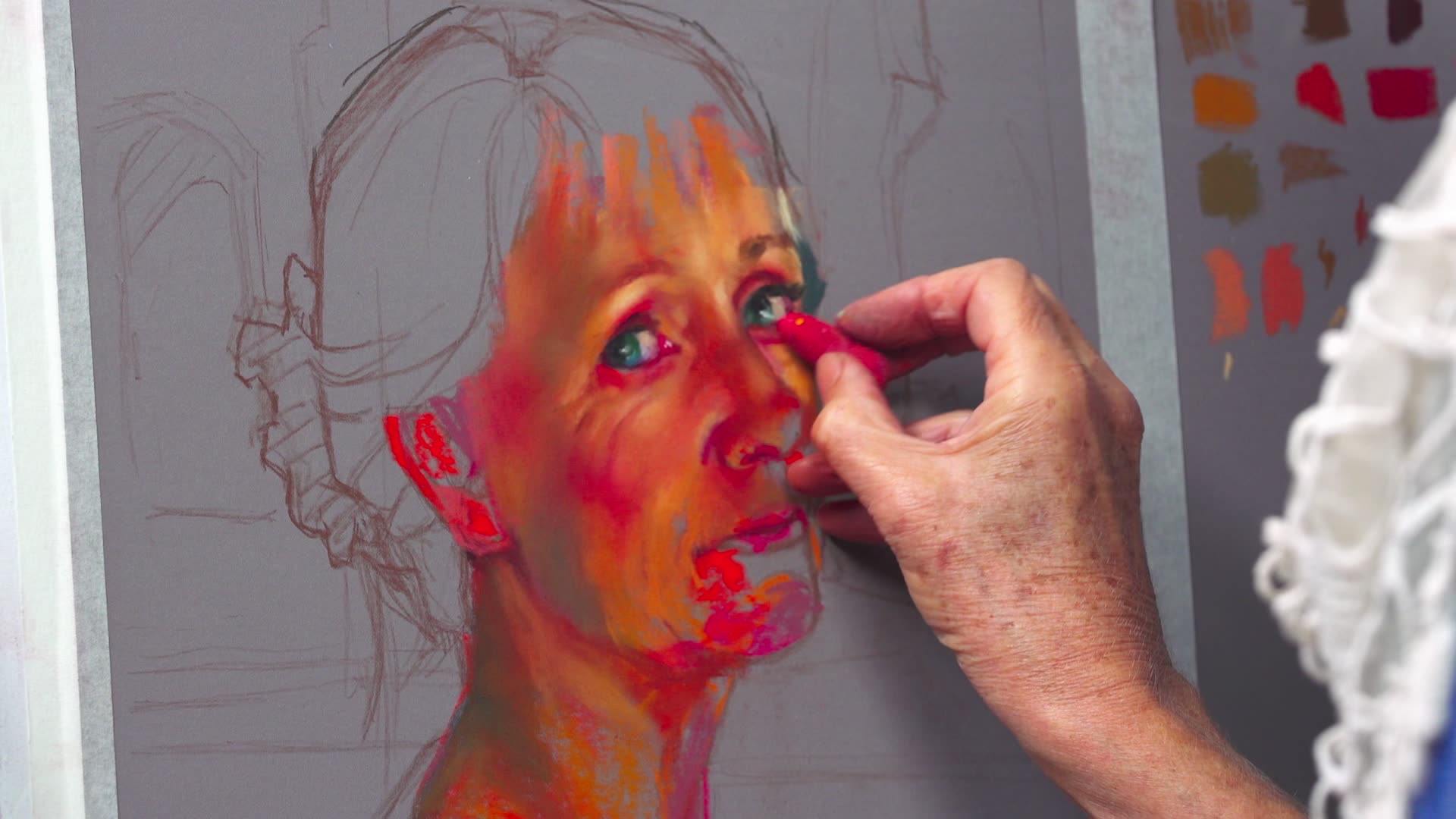
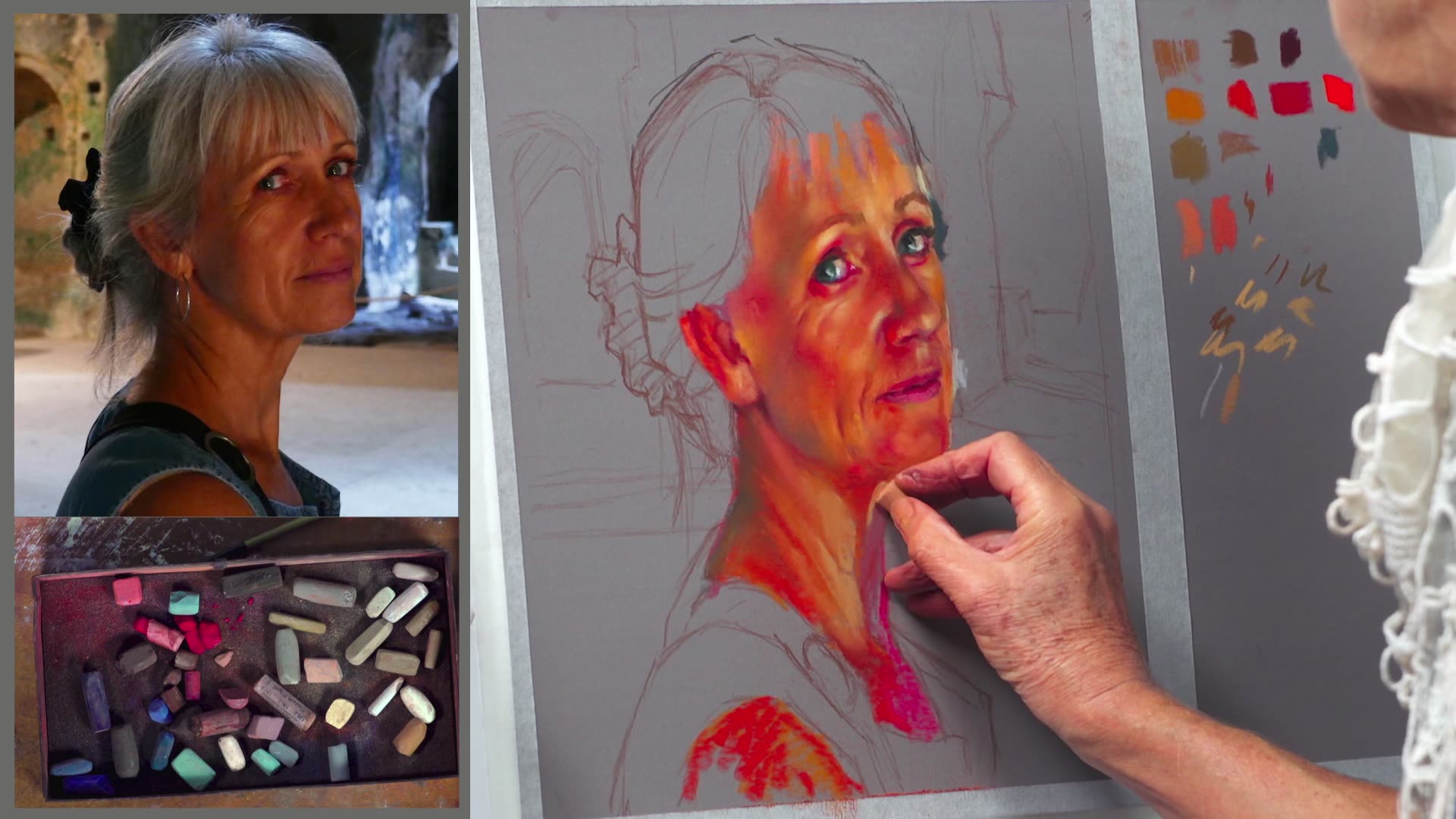
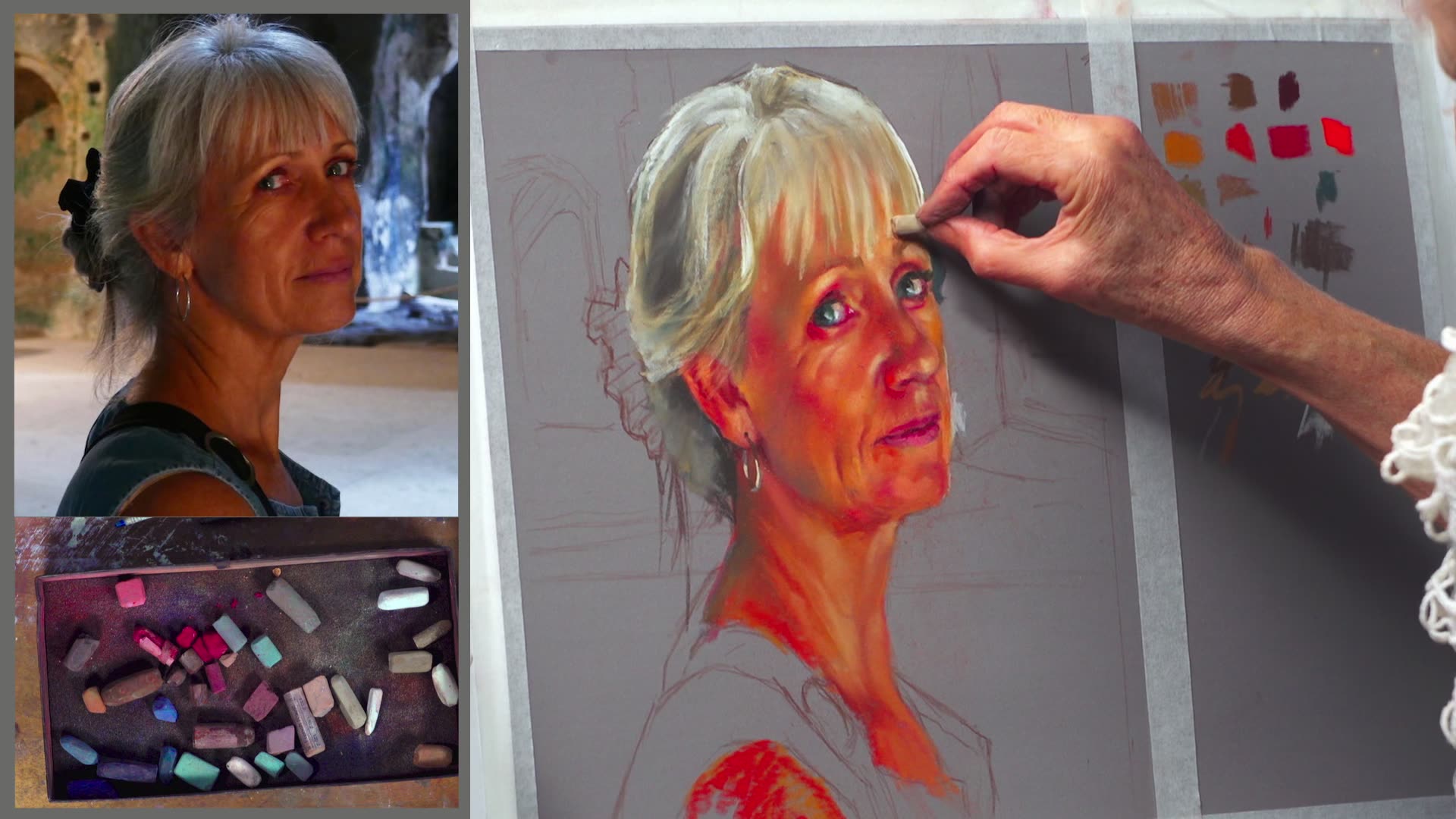
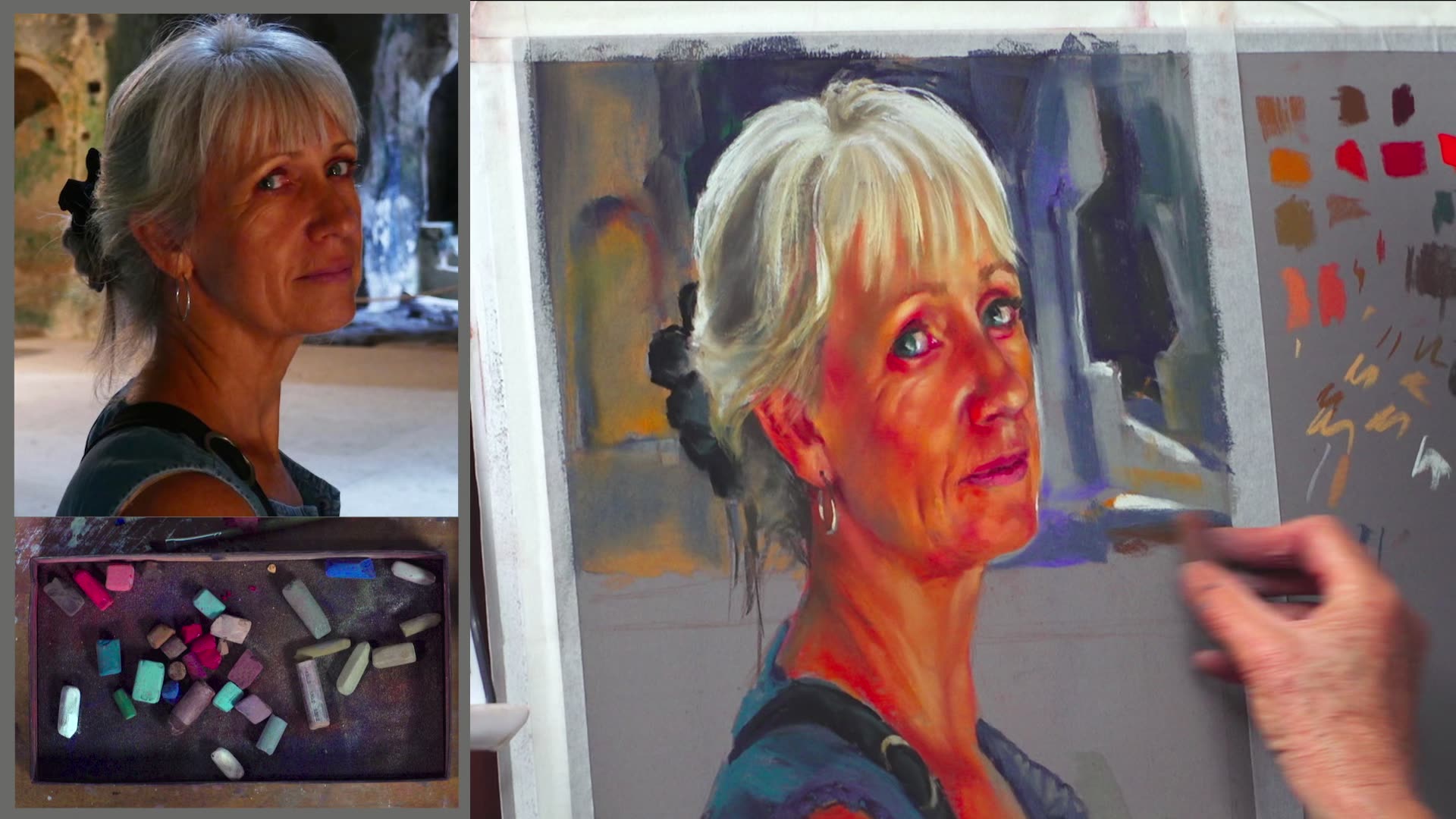
The Inner Sanctum — a self-portrait painted under the dramatic warm-and-cool light of an ancient rock-cut cathedral in France


Two different subjects. Two different lighting situations. Two complete demonstrations.


And throughout both, Lyn explains exactly what she’s doing, what she’s looking for, and why each decision matters.

Learn From One of Australia’s Most Respected Pastelists

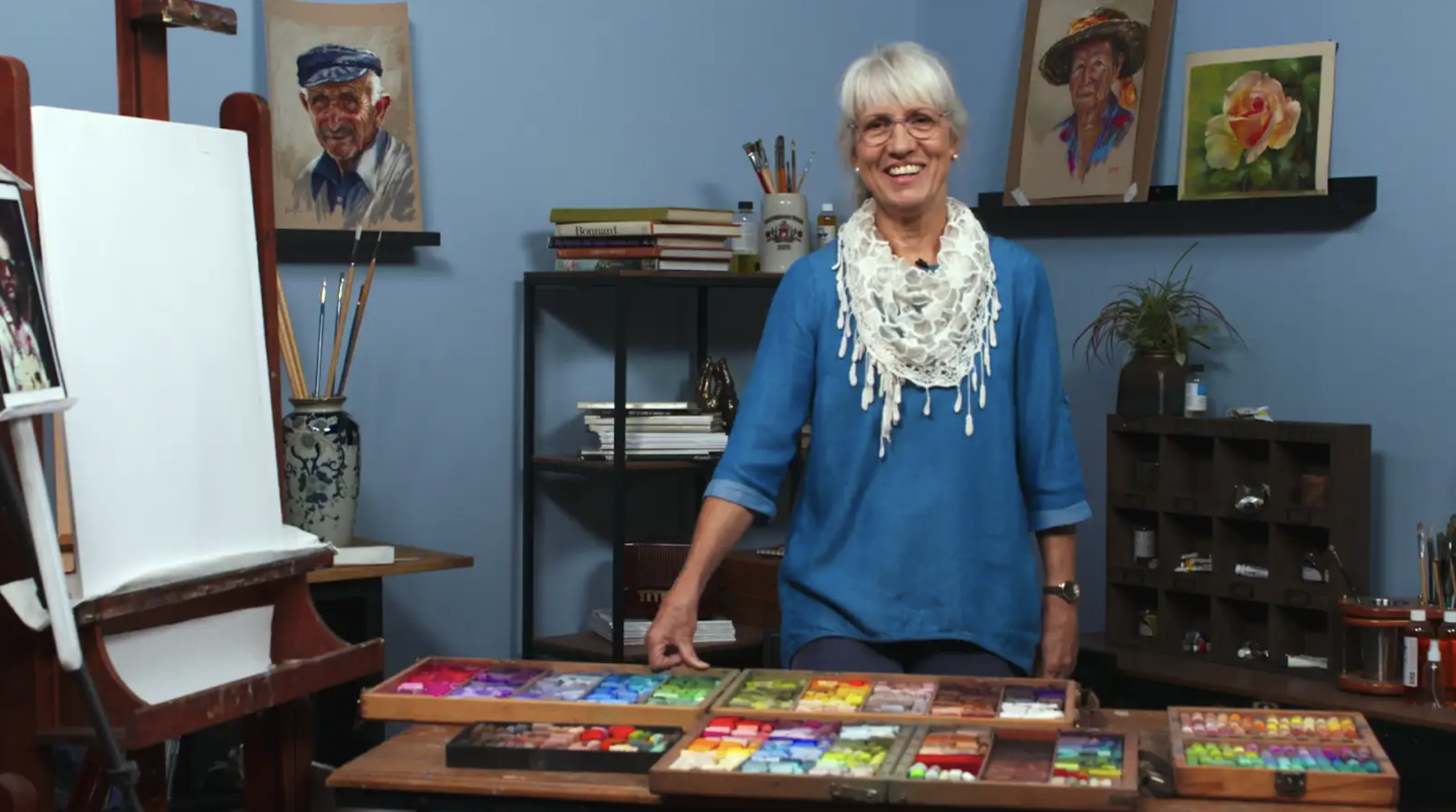
Lyn Diefenbach

Lyn Diefenbach has been painting and teaching professionally for more than 30 years.


She began as a landscape painter in oils, creating meticulous, detailed work before discovering pastel — a medium whose immediacy, luminosity, and spontaneity changed the direction of her practice.


Today, Lyn is one of the most widely traveled pastel instructors working anywhere in the world.


She has taught workshops across multiple continents, judged prestigious international competitions including the floral and still life segment of The Pastel Journal’s 2022 Pastel 100, and been invited to demonstrate at the “100 Years of Pastel” event in China.


Her work has been featured in International Artist, Pastel Journal, Pratique Des Arts, and Australian Artist magazines.


Her credentials include:

IAPS Eminent Pastelist

Master Pastelist of the Pastel Society of Australia

Signature Member of the Pastel Society of America

Juried Member of the International Guild of Realism


But what students remember most is not just Lyn’s resume.


It’s her clarity.


She explains not only what to do, but why it works — and she is generous enough to show the adjustments, corrections, and decisions that many artists would edit out.

Available in both Streaming and DVD Formats

The Lyn Diefenbach Portrait Method

This course is not just about copying Lyn’s two paintings.


It’s about learning the process she uses to make portraits work.


As you follow along, you’ll see how Lyn builds a portrait through a clear sequence:


1. Establish the likeness before the pastel work begins


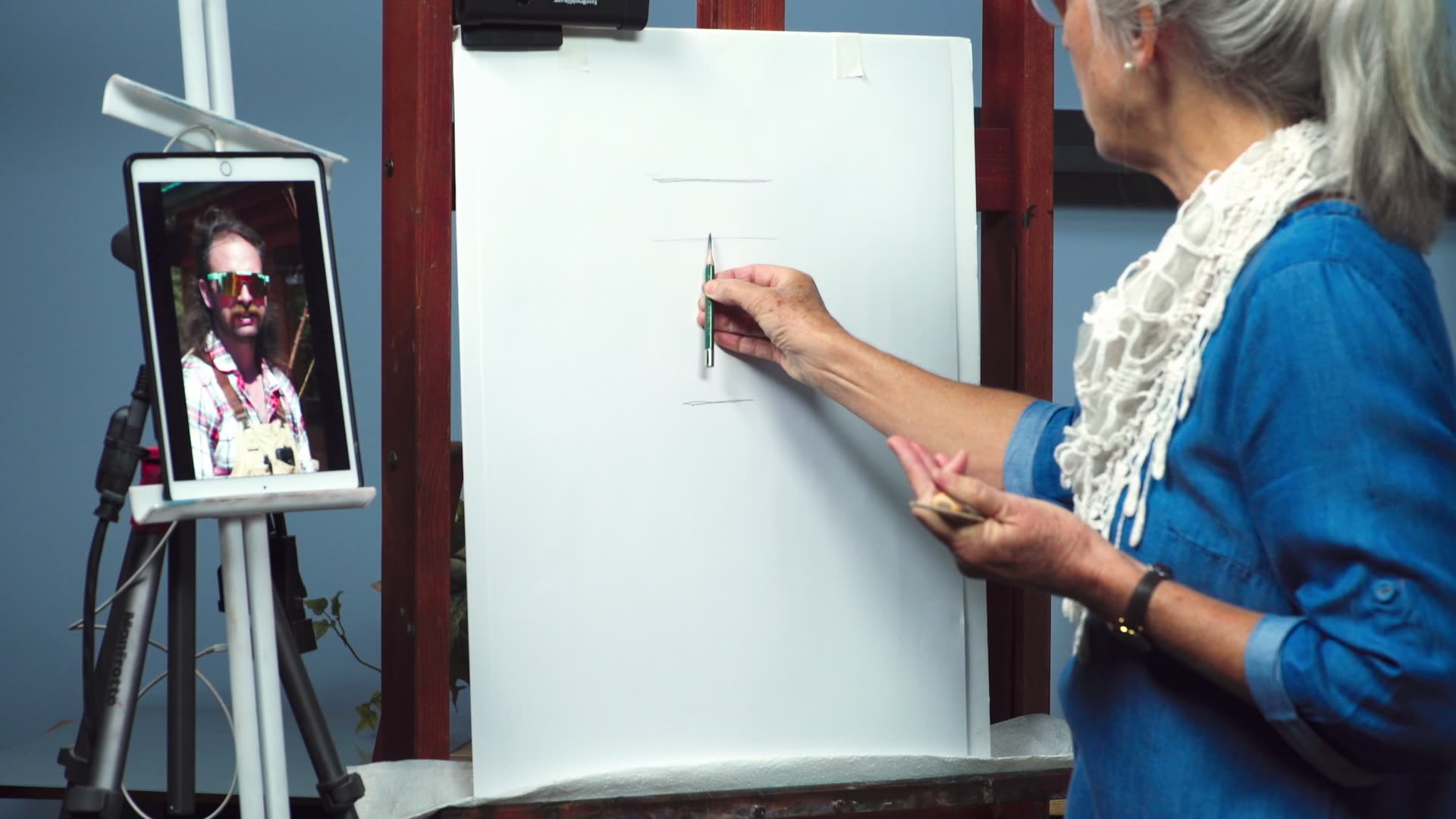
Lyn begins with the drawing, using the “lines of length” technique she learned from portrait master Daniel Greene.


These key lines help establish the proportions, placement, and structure that make a convincing likeness possible before a single stroke of pastel goes down.


2. Build glowing skin from underneath


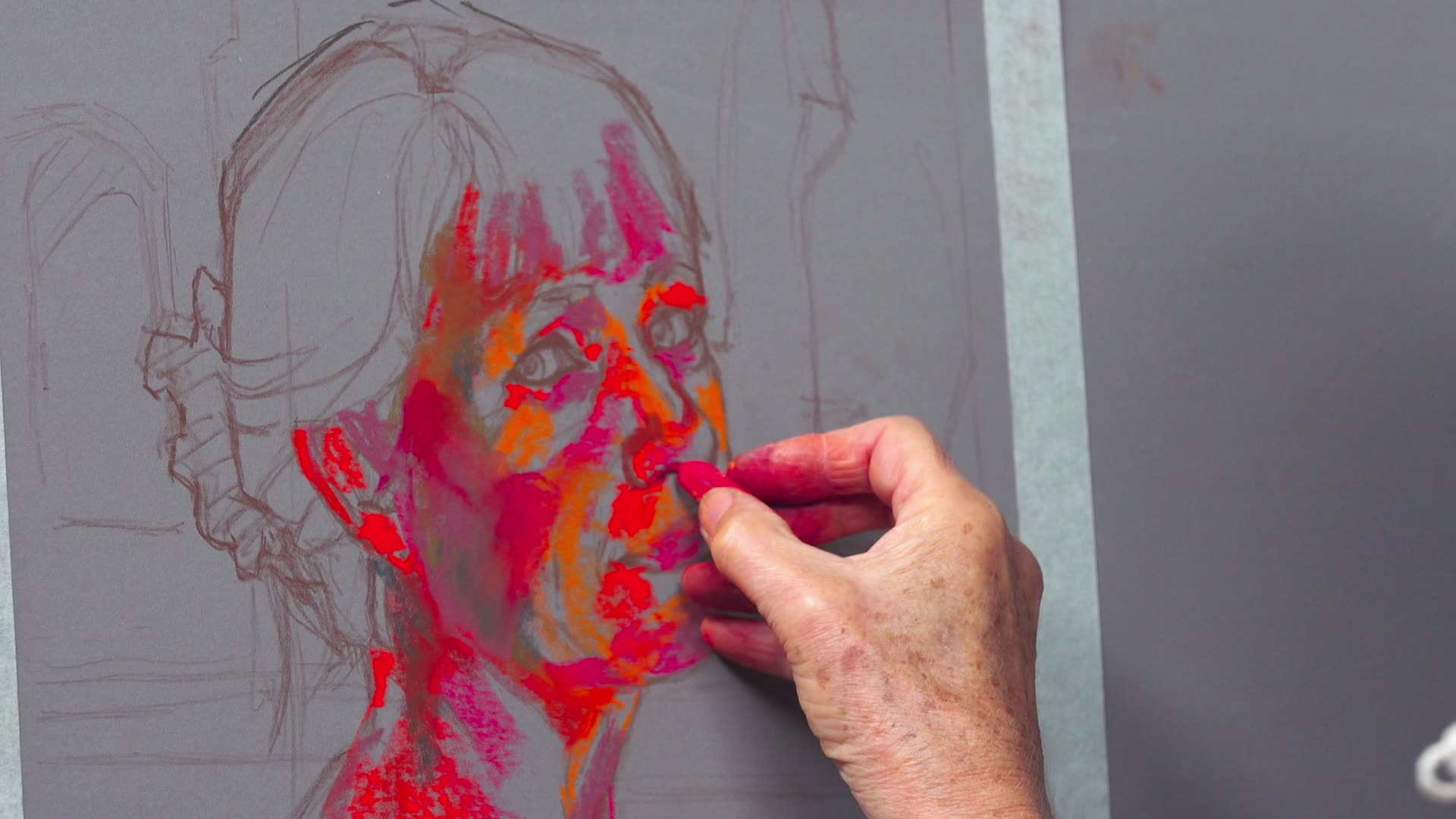
Before the natural skin tones arrive, Lyn creates what she calls the “blood flow” — a bold, colorful underpainting that gives the portrait life and luminosity from the very beginning.


This is one of the secrets to avoiding dead, dull, or muddy color.


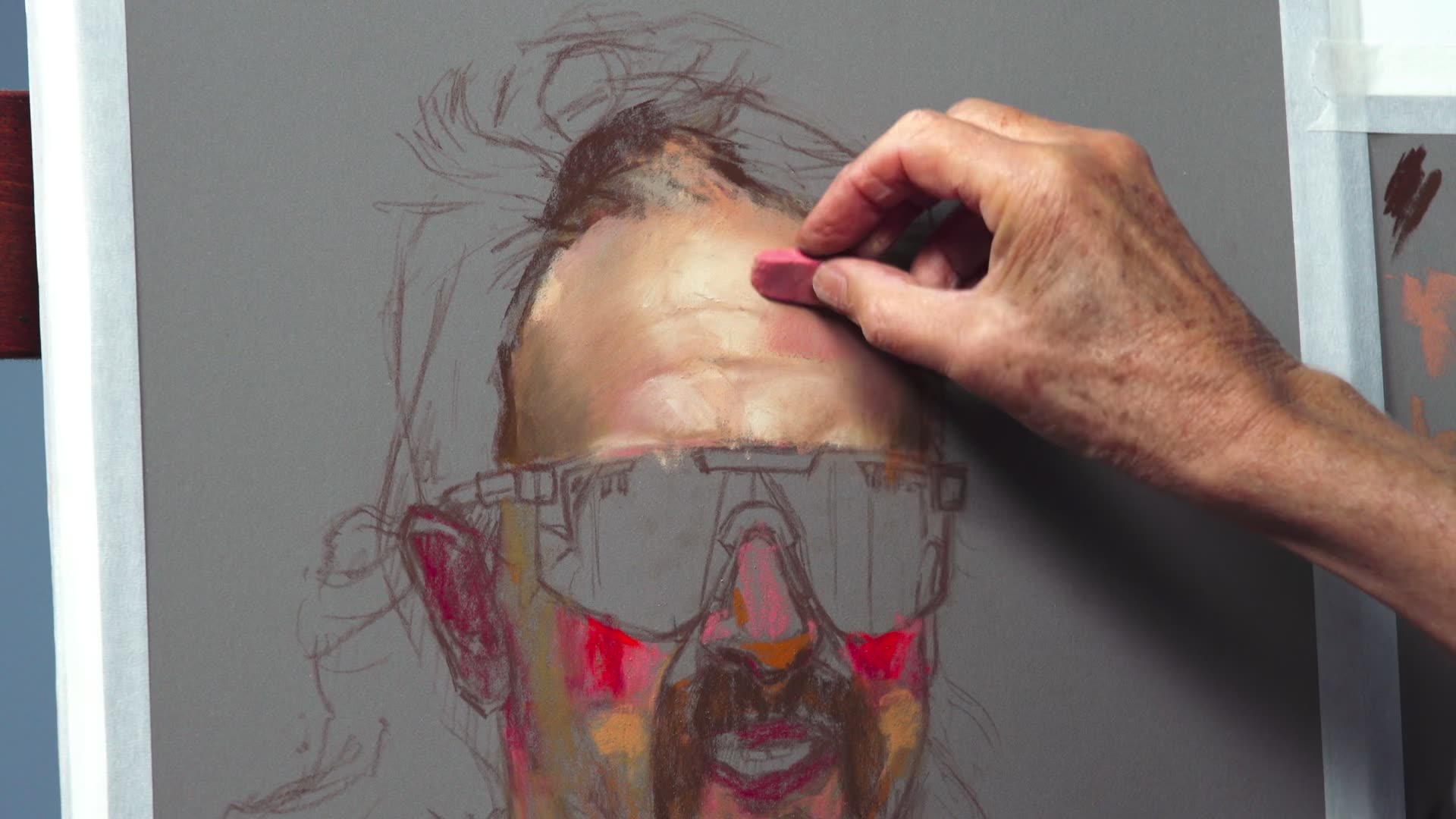
3. Sculpt the face instead of simply filling it in


Lyn doesn’t treat the face as a collection of separate features.


She treats it as a three-dimensional form to be built.


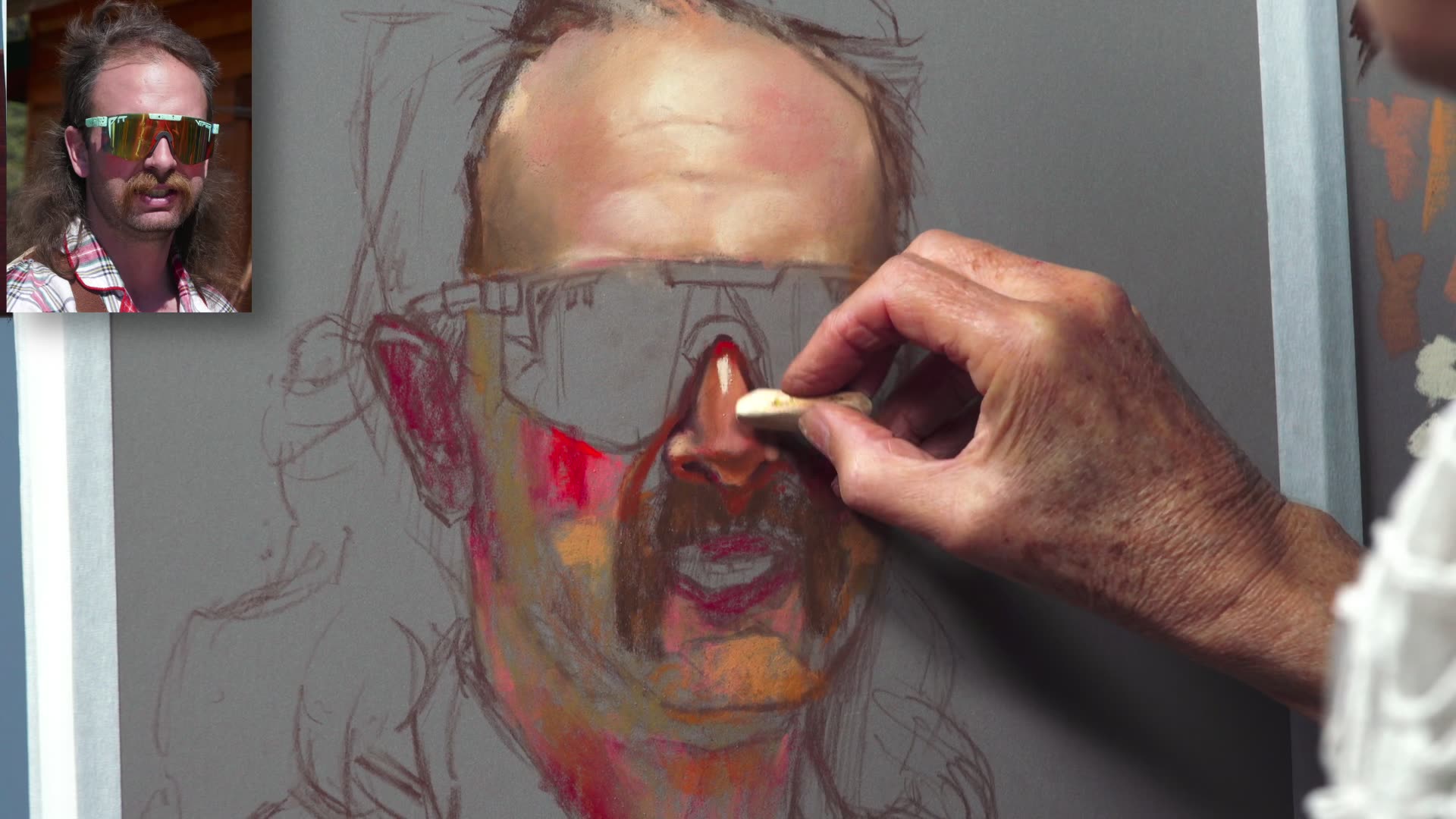
Using line, value, color, edge, and stroke, she shows you how to turn the form of the forehead, nose, eyes, mouth, cheeks, hair, and neck so the portrait feels dimensional and alive.


4. Work in a deliberate sequence


Because pastel can fill the tooth of the paper too quickly, sequence matters.


Lyn shows you how to work top to bottom, build in layers, preserve the surface, and make corrections without panic.


5. Diagnose problems as they appear


When something looks wrong, Lyn returns to her four-part framework:

Line. Value. Color. Edge.


This gives you a practical way to identify what needs fixing — instead of guessing, blending, or overworking the painting.
Available in both Streaming and DVD Formats

Your Lesson Plan!

Video length: 6 HOURS

Introduction

Lyn welcomes you and introduces both portrait subjects: the male portrait in warm outdoor light and the self-portrait in dramatic interior light. She sets up the key questions the course will answer: how to get a likeness, how to build form, how to handle dark values, and how to make the background serve the portrait.

The Pastels

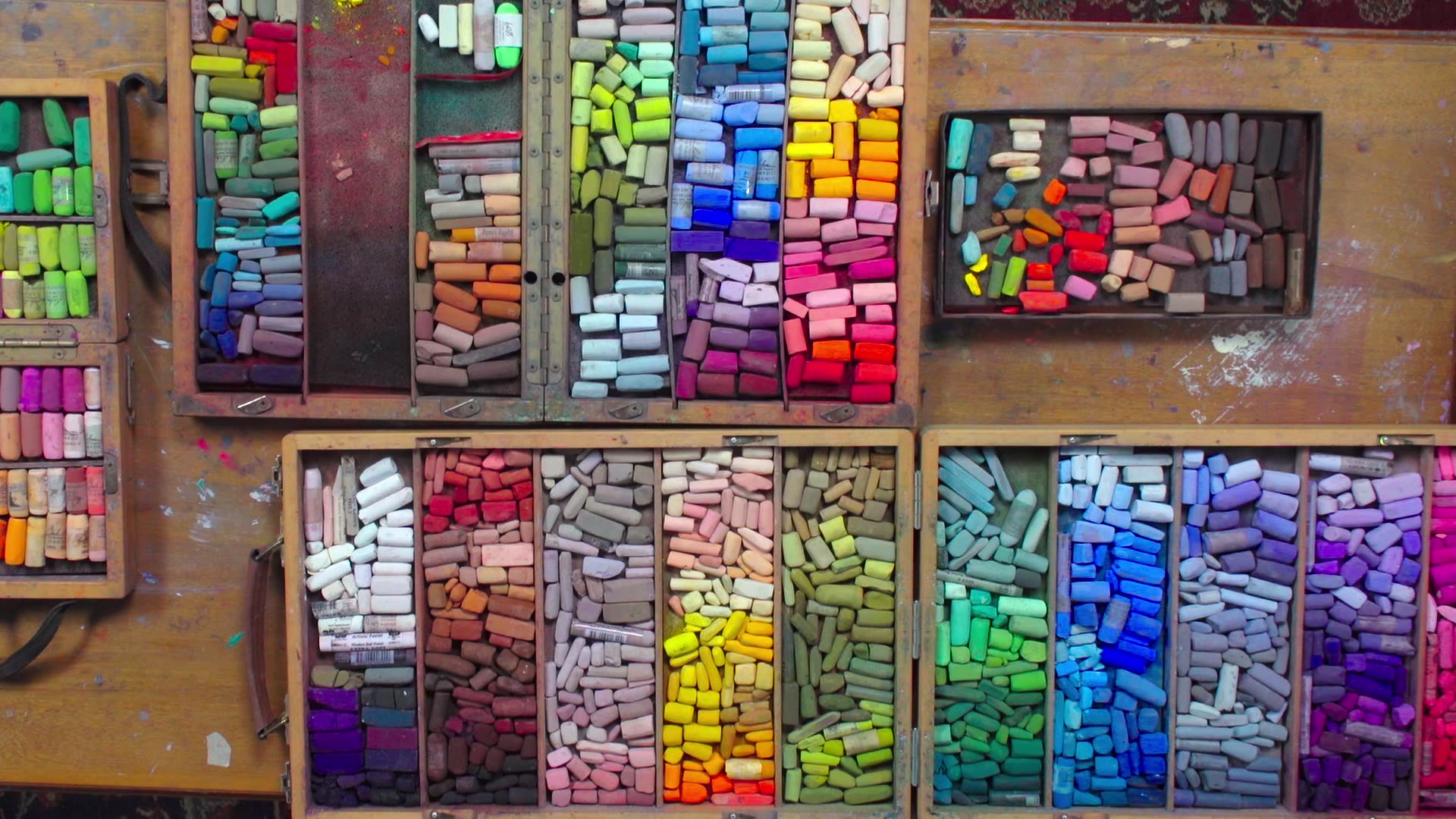
Lyn opens her pastel boxes and shows how she organizes her pastels by hue and value. You’ll learn why pulling colors ahead of time makes every decision at the easel faster, calmer, and more deliberate.

The Key to Capturing a Likeness

Before the painting begins, Lyn shares the “lines of length” technique she learned from Daniel Greene. These three lines define the character of a face more than most painters realize, and getting them right gives the portrait a stronger foundation from the start.

Male Portrait: Underpainting

Lyn begins The Great Outdoors with the bold, colorful “blood flow” underpainting. You’ll learn what paper she chooses and why, how she identifies color in the model’s skin, and how she uses the pastel stick to paint rather than draw.

Male Portrait: Sculpting the Forehead

Now the real skin tones begin. Working top to bottom, Lyn sculpts the forehead, layering and glazing to build form without using up the paper tooth too soon. You’ll see how she creates texture and wrinkles through negative painting and careful softening.

Male Portrait: Sculpting the Nose & Ear

Lyn continues down the face with close attention to the nose and ear. You’ll learn what color to establish first for a believable nostril, how value turns a flat shape into form, and when to use direct application versus negative space to create shadows.

Male Portrait: Sculpting the Sunglasses

The reflective sunglasses are one of the defining challenges of The Great Outdoors. Lyn shows how to read value relationships, develop the underpainting for the lenses, add highlights, and even letter the brand name in pastel.

Male Portrait: Sculpting the Lower Face

Lyn builds the mouth, jaw, and surrounding structure. You’ll learn how to give the mouth dimension, how to map the lights before committing to them, and how to use line, value, color, and edge to diagnose problems.

Male Portrait: Sculpting the Neck & Facial Hair

Facial hair requires restraint. Lyn shows how to make stubble read as stubble, how to add highlights without making them cartoonish, and how to connect the different color zones of the face so the skin still feels unified.

Male Portrait: Painting the Hair

Working from large dark shapes toward the finest lights, Lyn builds the hair with attention to mass, movement, and growth direction. You’ll learn how to layer color for depth and avoid making hair look stringy or mop-like.

Male Portrait: Painting the Clothing

The clothing needs to read clearly without pulling attention from the face. Lyn shows how to step back, assess the whole portrait, restore depth to flattened shadows, and bring the first painting to a complete finish.

Self-Portrait: Proportions & Placement

Lyn introduces The Inner Sanctum, her self-portrait in the unusual warm-and-cool light of an ancient rock-cut cathedral in France. She walks through how she used lines of length and plumb line techniques to establish correct proportions in a three-quarter view.

Self-Portrait: Underpainting

The “blood flow” in the self-portrait is more atmospheric, reflecting the unusual light of the space. Lyn shows how to look for reflected color from clothing and surroundings, build from the darks, and use a color swatch card to make decisions faster.

Self-Portrait: Sculpting the Face

The midtones arrive and the face begins to take shape. Lyn adds darks and first lights to build mass and dimension, explains how to bring parts of the face forward and set others back, and demonstrates how pastel can remain correctable when the tooth is preserved.

Self-Portrait: Painting the Eyes

The eyes are where a portrait comes alive. Lyn shows what color to use for the whites of the eyes, how to make eyes look moist and velvety, how to keep the eyes aligned, and how to paint the creases around them with honesty and restraint.

Self-Portrait: Developing the Face & Neck

Lyn continues down the face, using color temperature and value to build realistic, dimensional features. You’ll see how reflected and bounced light affect the face and how simple shapes, values, and temperature changes can build a convincing ear.

Self-Portrait: Painting the Hair & Clothing

The dramatic cathedral light creates stronger contrasts and more abstract shapes. Lyn shows how to use unexpected color in the hair, connect it back to the skin tones, describe the shape of the head beneath the hair, and avoid moving to the lights too early.

Self-Portrait: Painting the Background

The background in The Inner Sanctum carries real narrative weight. Lyn shows how to block in color shapes, decide what to keep, cut pastel around the portrait without creating an outlined edge, and adjust the face once the background is settled.

Paint Two Complete Portraits With Lyn, Step by Step

These are not short excerpts or highlight reels.

These are two full demonstrations, from a blank sheet of Pastelmat to a finished portrait.

You’ll see Lyn start the way she always does: with the drawing.

Then you’ll watch her build a bold underpainting, establish the major values, develop the skin tones, sculpt each area of the face, solve problems as they appear, and bring the portrait to a complete finish.

You’re not just watching her paint.

You’re hearing her think.

That’s what makes this course so valuable.

You’ll see the visible marks on the paper, but you’ll also learn the invisible decision-making behind those marks: what Lyn notices, what she ignores, what she adjusts, and how she knows when to move forward.

Available in both Streaming and DVD Formats

Why This Approach Works


Most painters who struggle with portraits have the same core problem:

They don’t have a reliable process for building the face from the ground up.


So they start in the wrong place.


They blend too early.


They avoid the dark values.


They handle the eyes, nose, mouth, and hair as separate parts instead of seeing the head as one unified form.


The result is often a portrait that feels close … but not alive.


Lyn’s sculptural approach helps solve that.


Her method helps you:

  • See the face as a form to be built, not a surface to be copied
  • Commit to the darks early so the portrait has structure
  • Preserve the tooth of the paper so you can keep working and correcting
  • Use pastel’s full expressive range, from bold strokes to featherweight blending
  • Understand what went wrong when the portrait starts to drift
  • Bring the likeness, structure, color, and personality together into one finished painting

As Lyn says:


“When I am painting, I am sculpting. Sculpting with value and with stroke.”


That’s the difference.


You’re not just learning how to make one portrait look better.


You’re learning how to think through the portrait as a painter.


This Video Course Is for You If…

  • You’ve painted other subjects well but haven’t yet cracked the portrait
  • You’ve tried portraits and walked away frustrated by flat faces, missed likenesses, or muddy color
  • You suspect your fear of dark values is holding your portraits back
  • You want to understand the face as a form, not just copy the surface of a photograph
  • You already know pastel well enough to follow a structured process
  • You want to learn from a master artist who explains the thinking behind every stage
  • You’re ready to build real understanding, not just collect a few new tricks

You are not starting over.


This course builds on what you already know and gives you a way to apply it to one of painting’s most demanding — and rewarding — subjects.

The Transformation You’ll Experience:

Before

❌ Likenesses that won’t land, no matter how long you look

❌ Flat faces that look like masks instead of people 

❌ Skin tones that become muddy or lifeless through the layers


❌ Fear of dark values and uncertainty about where to begin


❌ No plan for complex surfaces like hair, stubble, eyes, or reflective lenses


❌ Guessing when something looks wrong

After

✅ A reliable drawing method that establishes correct proportions before the painting begins


✅ A sculptural approach that uses value, edge, and stroke to build real form


✅ A bold “blood flow” underpainting that keeps color glowing from underneath


✅ A deliberate sequence that helps you commit to structure with confidence


✅ Clear techniques demonstrated across two complete portraits


✅ A four-part framework — line, value, color, edge — for diagnosing and fixing problems


Here’s a small taste of what’s inside:

✅  Two complete start-to-finish pastel portrait demonstrations

✅ The Great Outdoors — a male portrait with facial hair, reflective sunglasses, and warm bright light

The Inner Sanctum — a self-portrait in warm and cool light, filmed in an ancient rock-cut cathedral in France

✅ Lyn’s “lines of length” method for establishing likeness


✅ Lyn’s “blood flow” underpainting approach for glowing skin tones


✅ Instruction on eyes, nose, mouth, ears, skin, hair, clothing, facial hair, sunglasses, and backgrounds


✅ Lyn’s four-part problem-solving framework: line, value, color, edge


Materials review and pastel organization guidance

✅ 
High-Speed View™ — both complete demonstrations condensed for quick reference and enjoyment


✅ Exhibit of Works — an inspirational gallery of Lyn’s pastel paintings


✅ Interview With the Artist — a conversation with Eric Rhoads about Lyn’s life, career, and painting philosophy

✅ Lifetime access to the course

✅ 30-day satisfaction guarantee


…and so much more!

Available in both Streaming and DVD Formats

Think of What One Portrait Breakthrough Could Be Worth

If you’ve struggled with portraits, you know how frustrating it can be to spend hours on a face and still feel like something isn’t working.


Maybe the likeness is slightly off.


Maybe the colors look dull.


Maybe the features are technically there, but the person is missing.


Now imagine learning directly from a master pastelist who shows you not only how she paints a portrait, but how she thinks through every stage of it.


For far less than the cost of attending an in-person workshop, you get to study two complete portrait demonstrations with Lyn Diefenbach — at your own pace, as many times as you like.


You can watch the full course once to understand the complete process, then return to specific chapters as you begin your own portraits.


And because the course is yours for life, you can revisit Lyn’s instruction whenever you need it.


No subscription.


No expiration.


No need to purchase again.


Just lifetime access to a portrait process you can keep using.

30-Day 100% Money-Back Satisfaction Guarantee!


After you go through this course, we want you to be completely satisfied and feel confident that you’ve improved your painting skills.


However, if after watching the video, you decide it’s just not for you, let us know within 30 days of purchase and we’ll refund 100% of your money.


Disclaimer

Results require practice and dedication. The techniques taught in this video need to be studied and implemented consistently to achieve improvement in your paintings. Individual results will vary based on experience level and amount of practice.

CHOOSE YOUR FORMAT!

StreamingDVDStreaming + DVD
00Days
00Hours
00Minutes
00Seconds
$97.97

Experience The PaintTube Difference!

Enjoy Premium Art Instruction From The World’s Leading Artists


700+ step-by-step video courses so you can build your own custom curriculum and learn from home — at your pace.


PaintTube provides premium art instruction designed to help you learn faster and retain more, delivering Hollywood-quality, professionally produced, high-definition art instruction videos with extreme clarity, excellent sound, and perfect light.


Our painting demonstrations offer you extreme closeups and detail, with a better view than you could get in the first row of an in-person workshop. You’ll have clarity and understanding of each brushstroke, giving you the best art education ever.


FREE U.S. DOMESTIC SHIPPING ON ORDERS OVER $249 • LIFETIME ACCESS • NO SUBSCRIPTION

To your success!

Eric Rhoads, Publisher

PaintTube.tv

Though you can observe the techniques of any artist instantly by watching them demonstrate and by watching the videos repeatedly, please know that, though many artists offer insights that can help people overcome a lot of learning time, every artist learns at their own speed based on their own level of understanding. Painting and drawing bring great joy, though the joy may come from practicing various techniques over and over until you master them. We do not wish to indicate that you, or anyone, can skip the joy of practice and the challenges of getting better. Painting is a lifetime endeavor, and getting good does not typically happen rapidly, or instantly. Your results may vary. And please know that if at any time within 30 days you feel this video has not lived up to your expectations or its promise, we will happily refund your money.