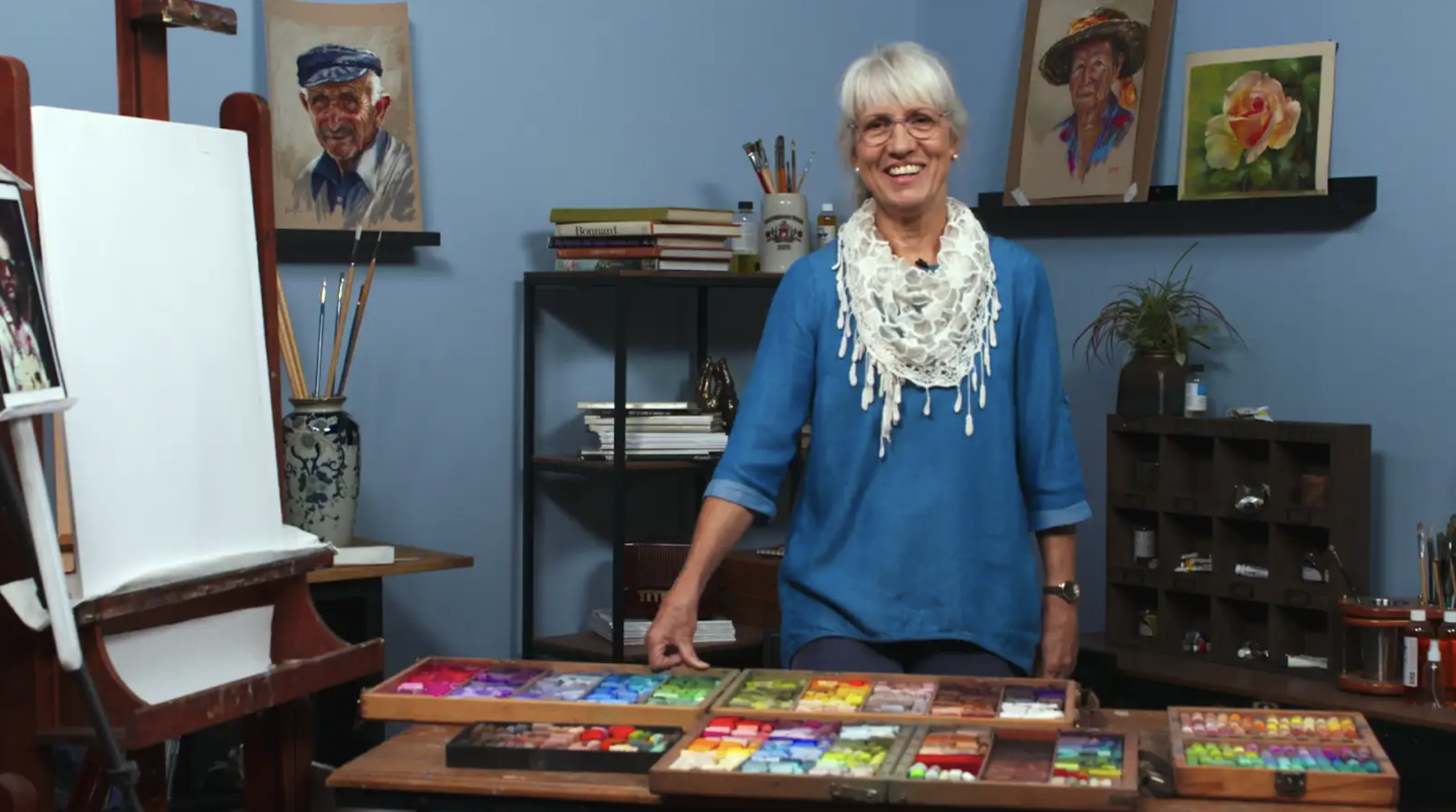
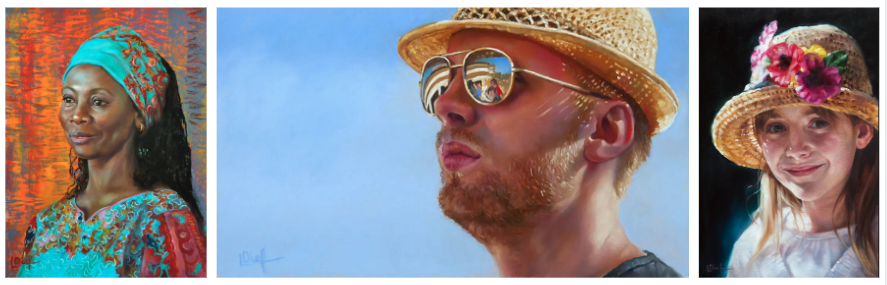
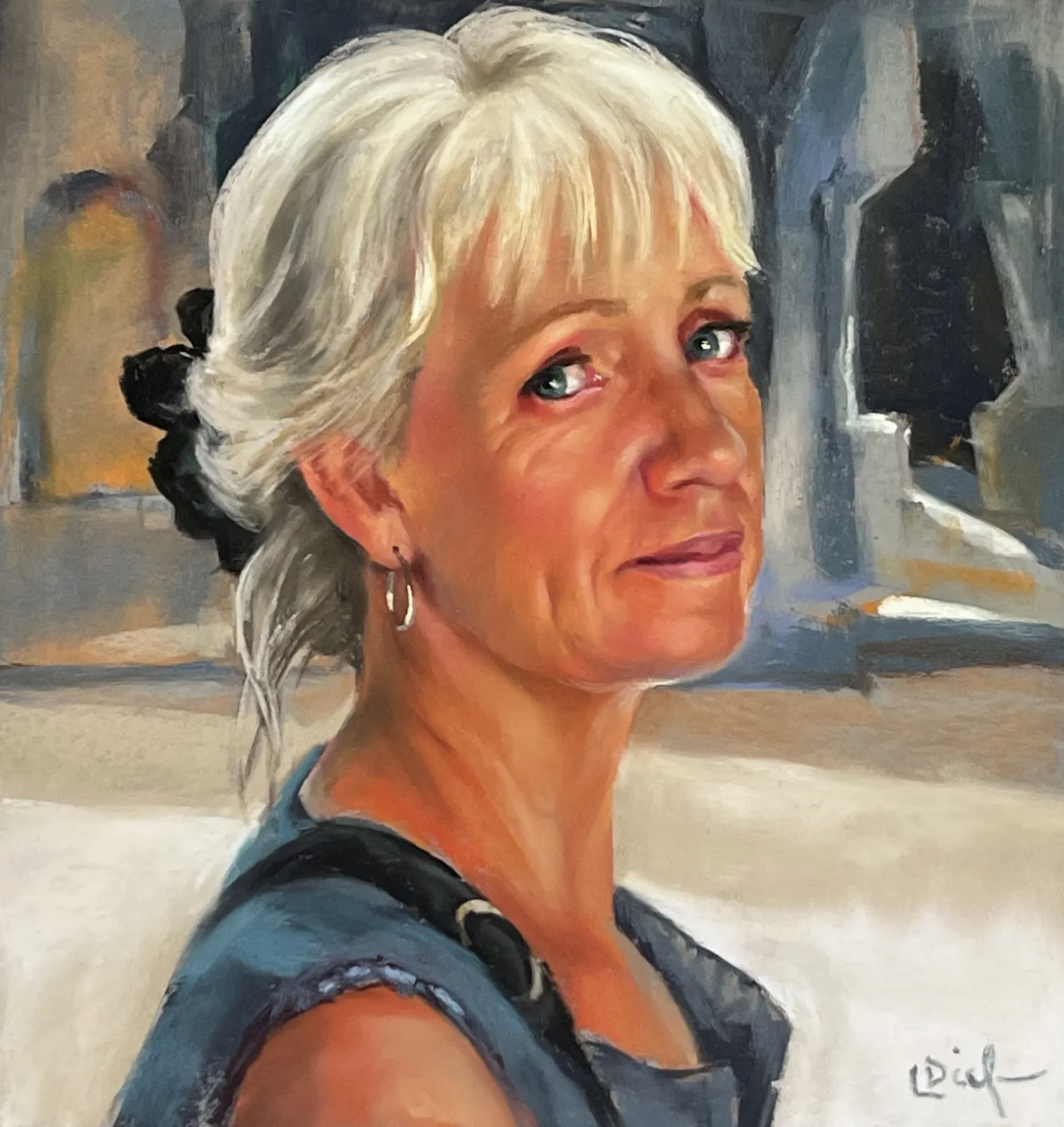
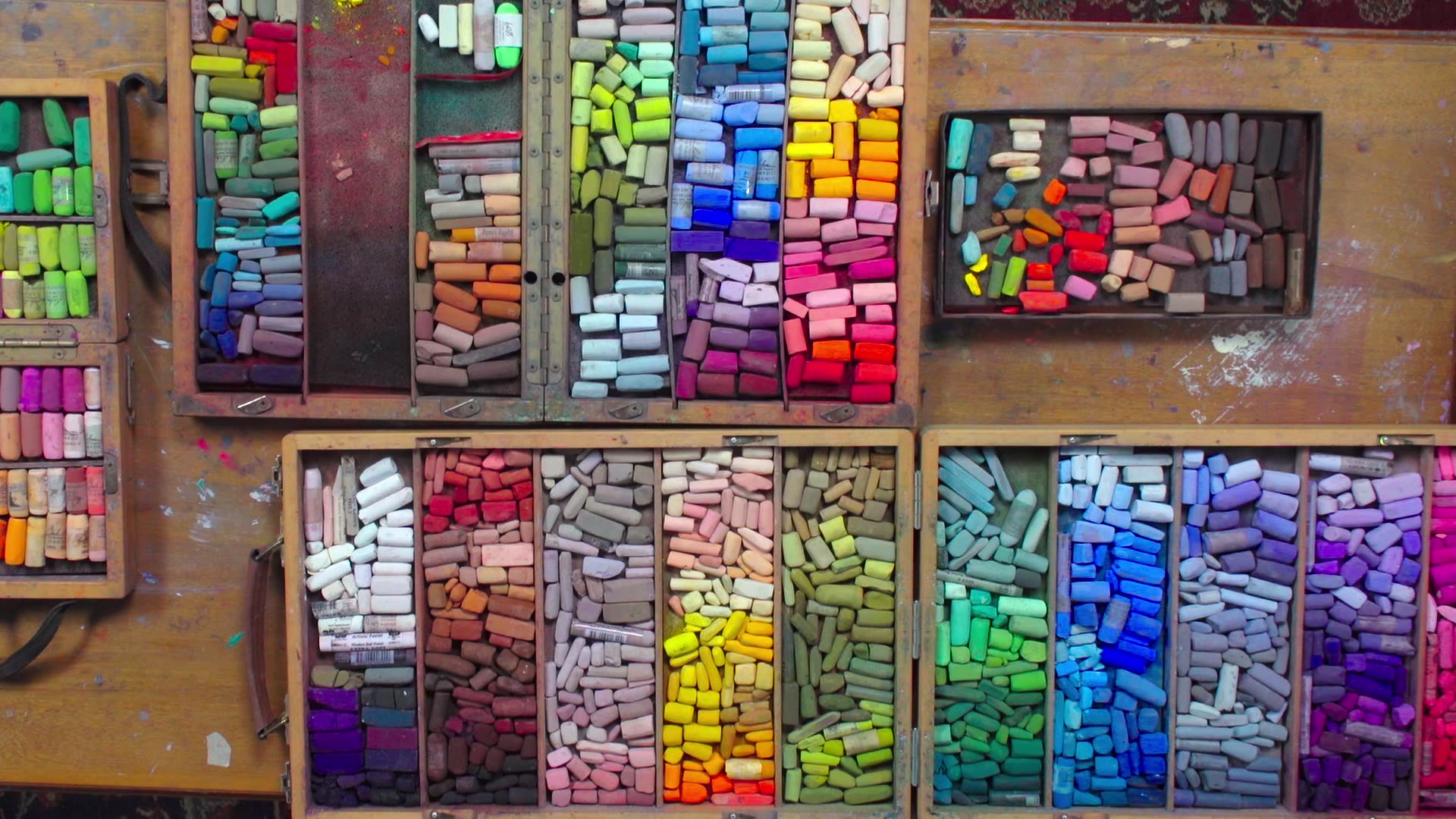
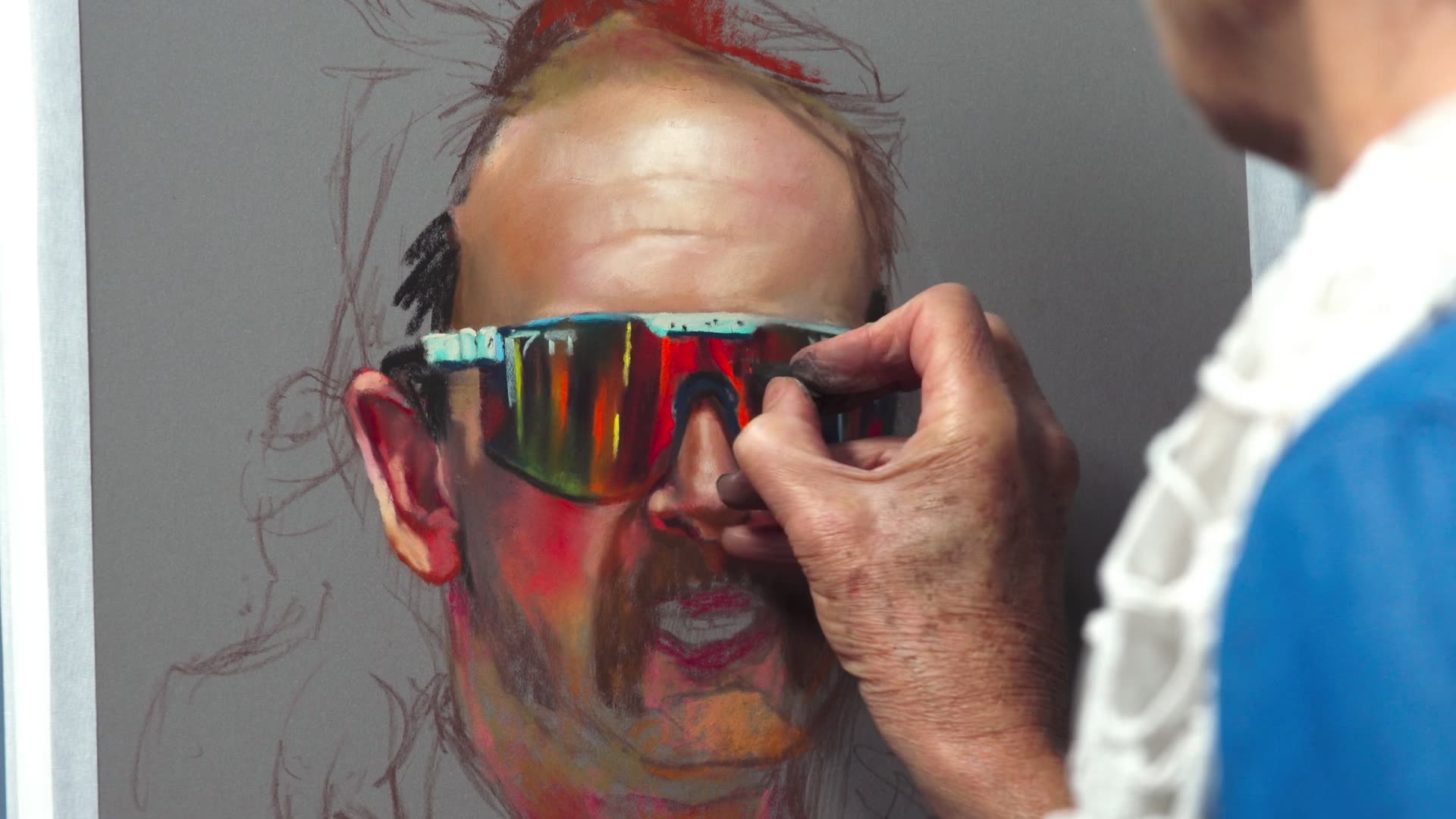
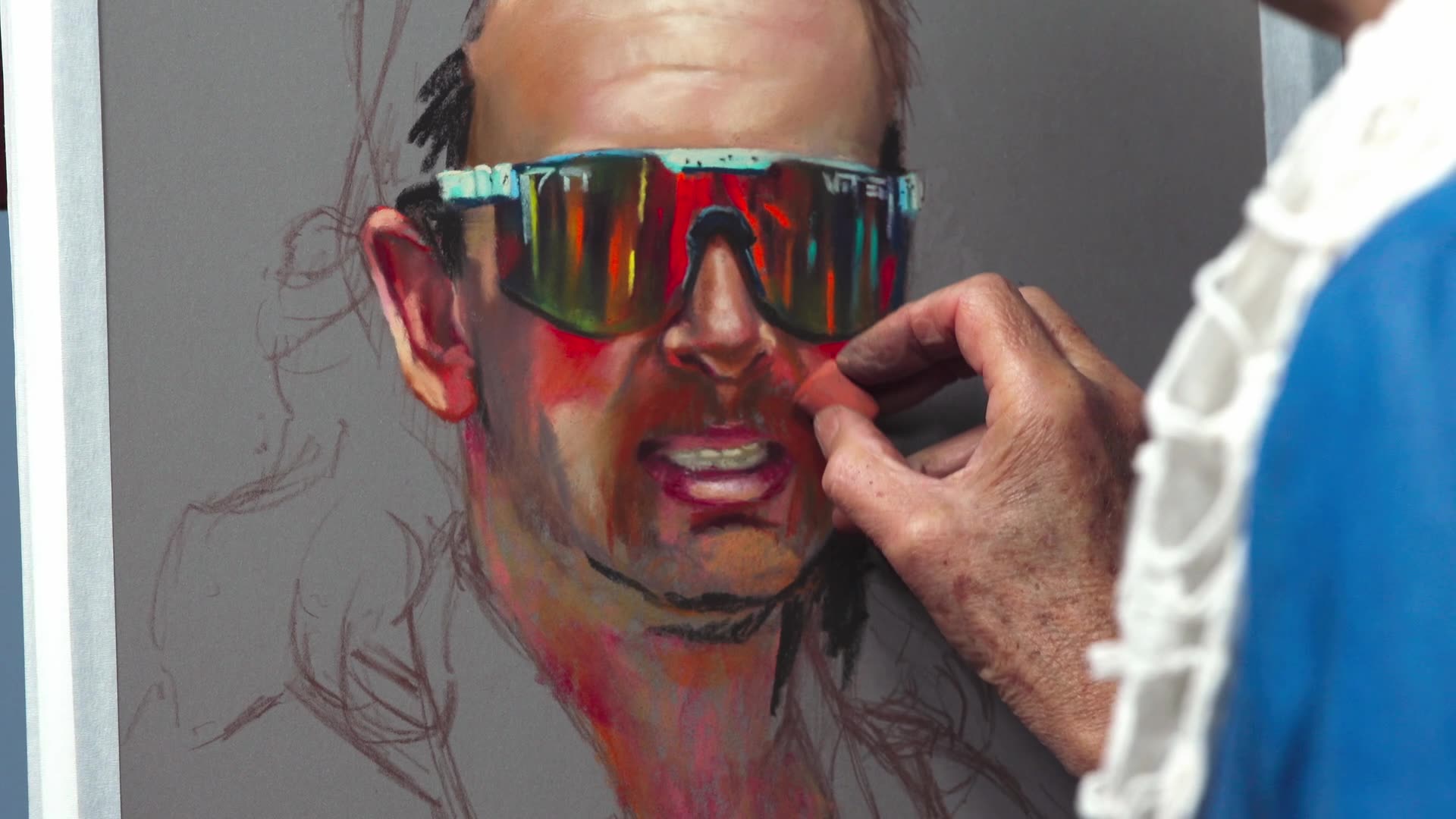
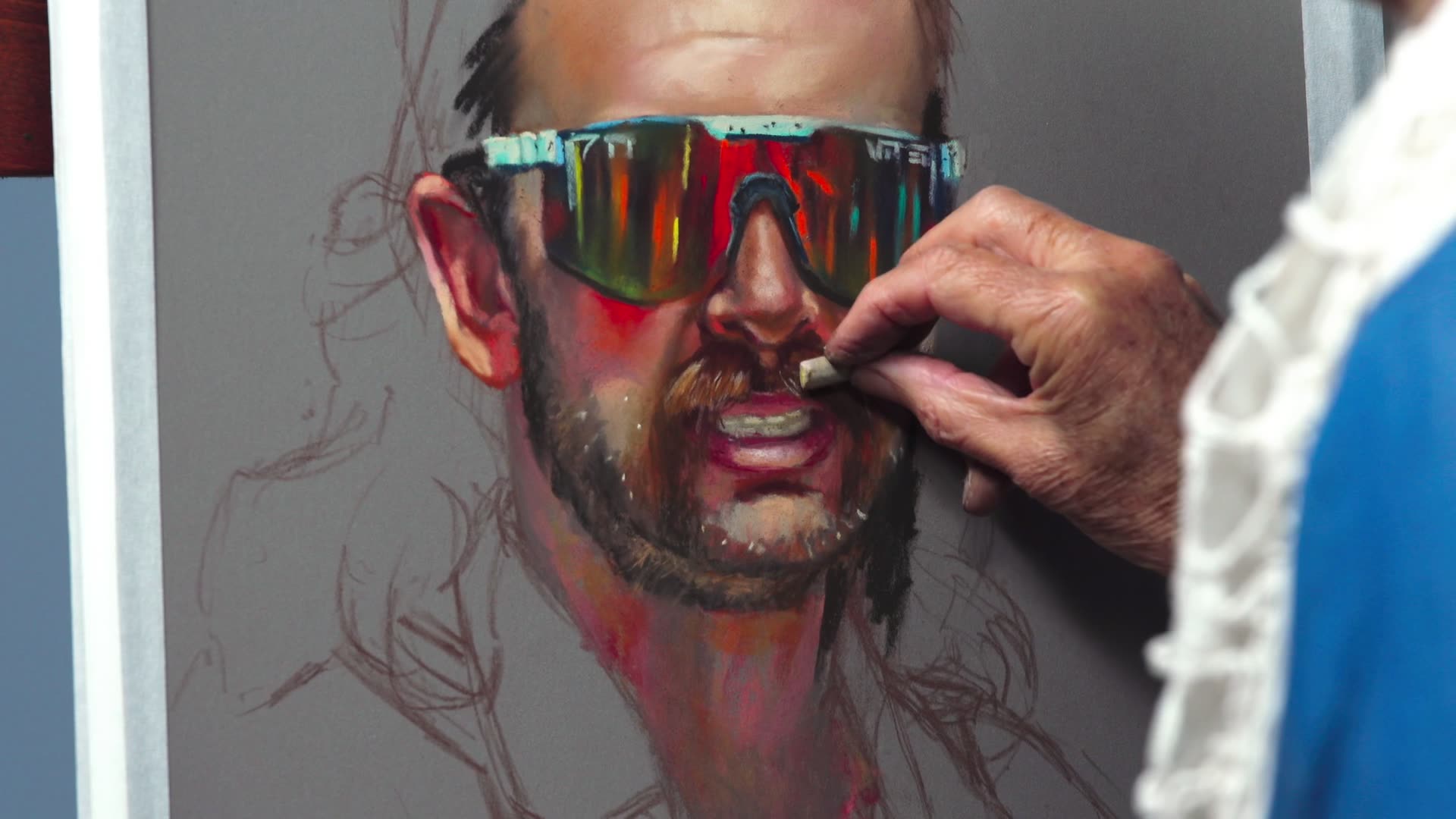
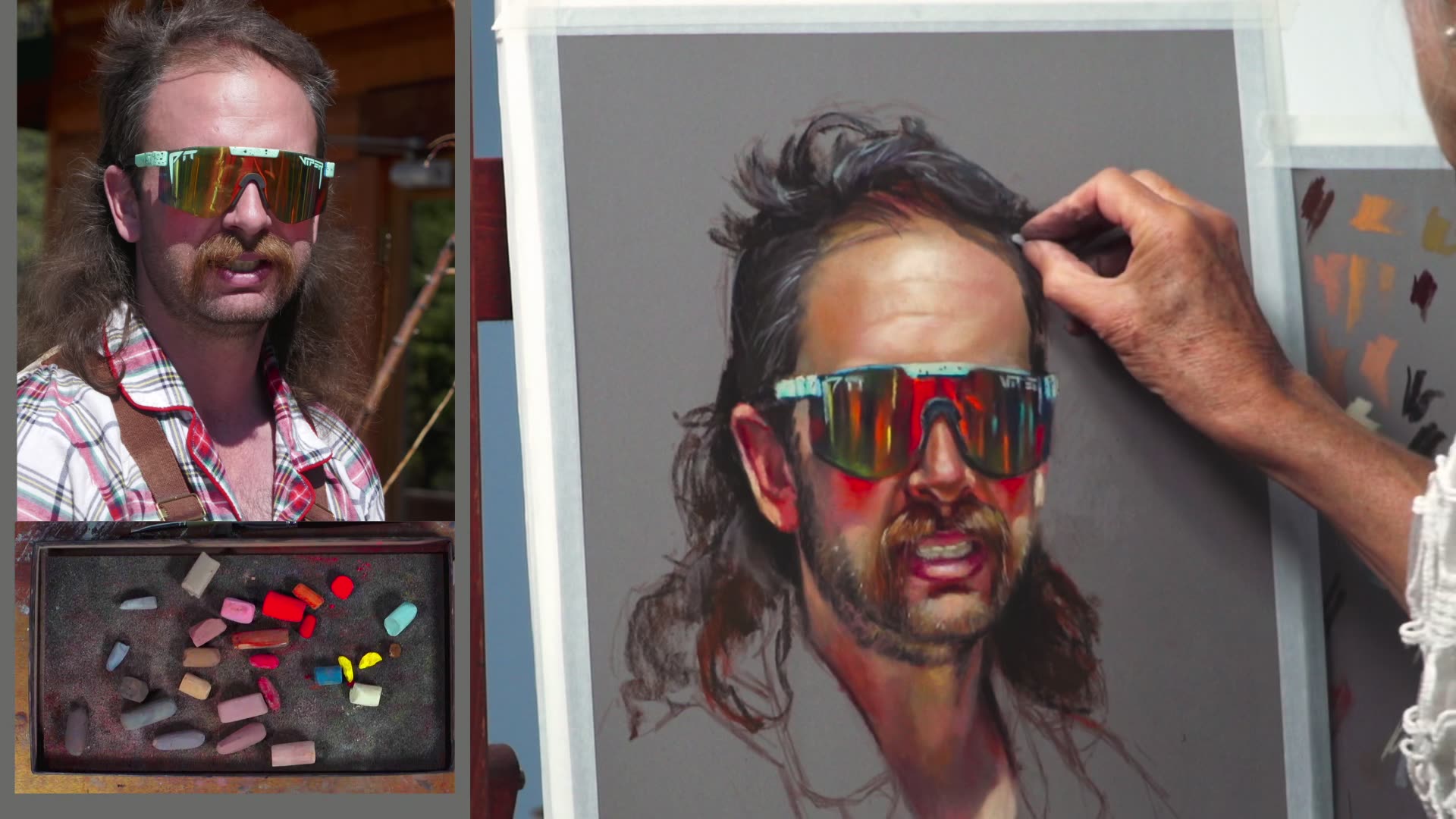
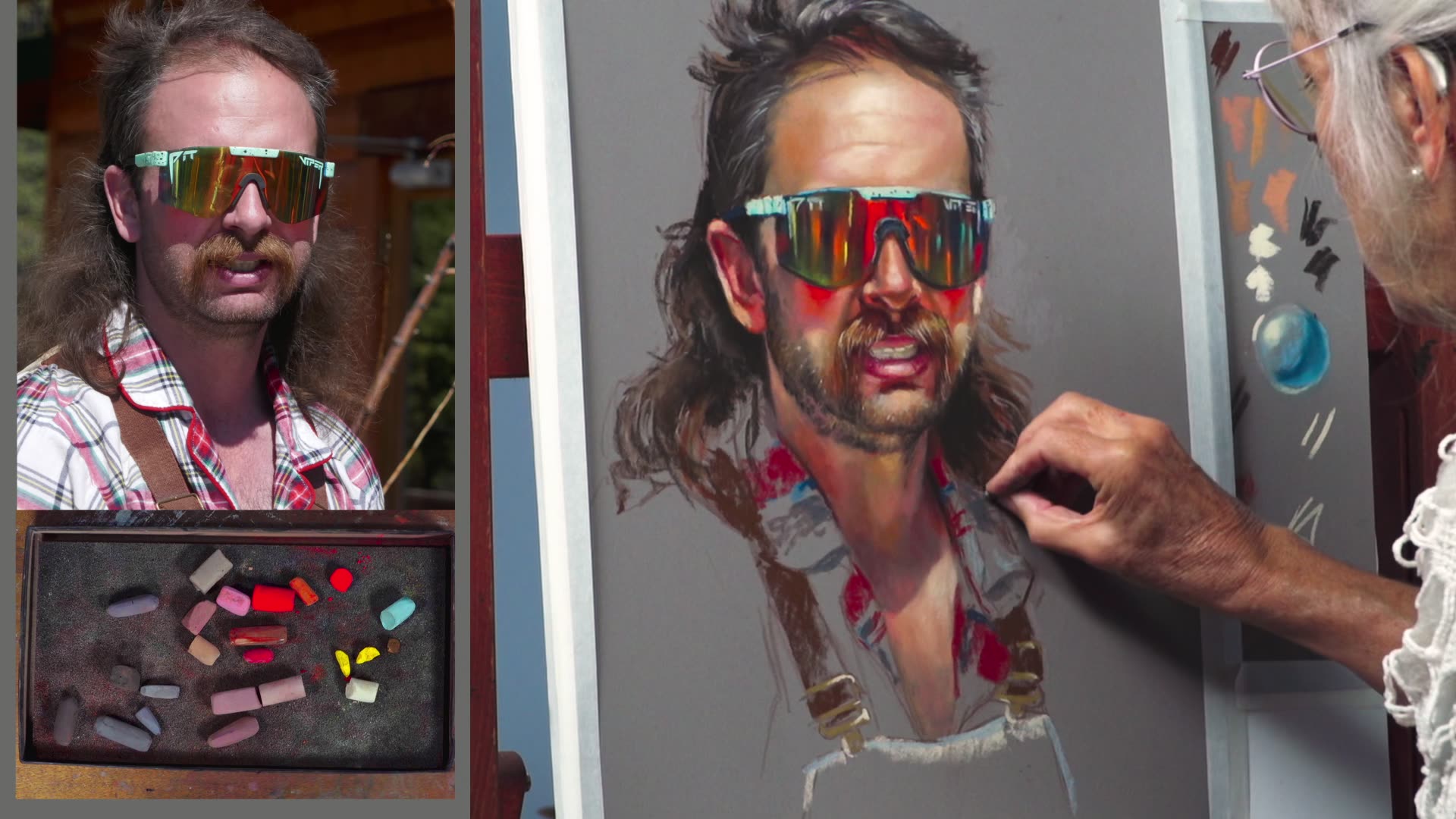
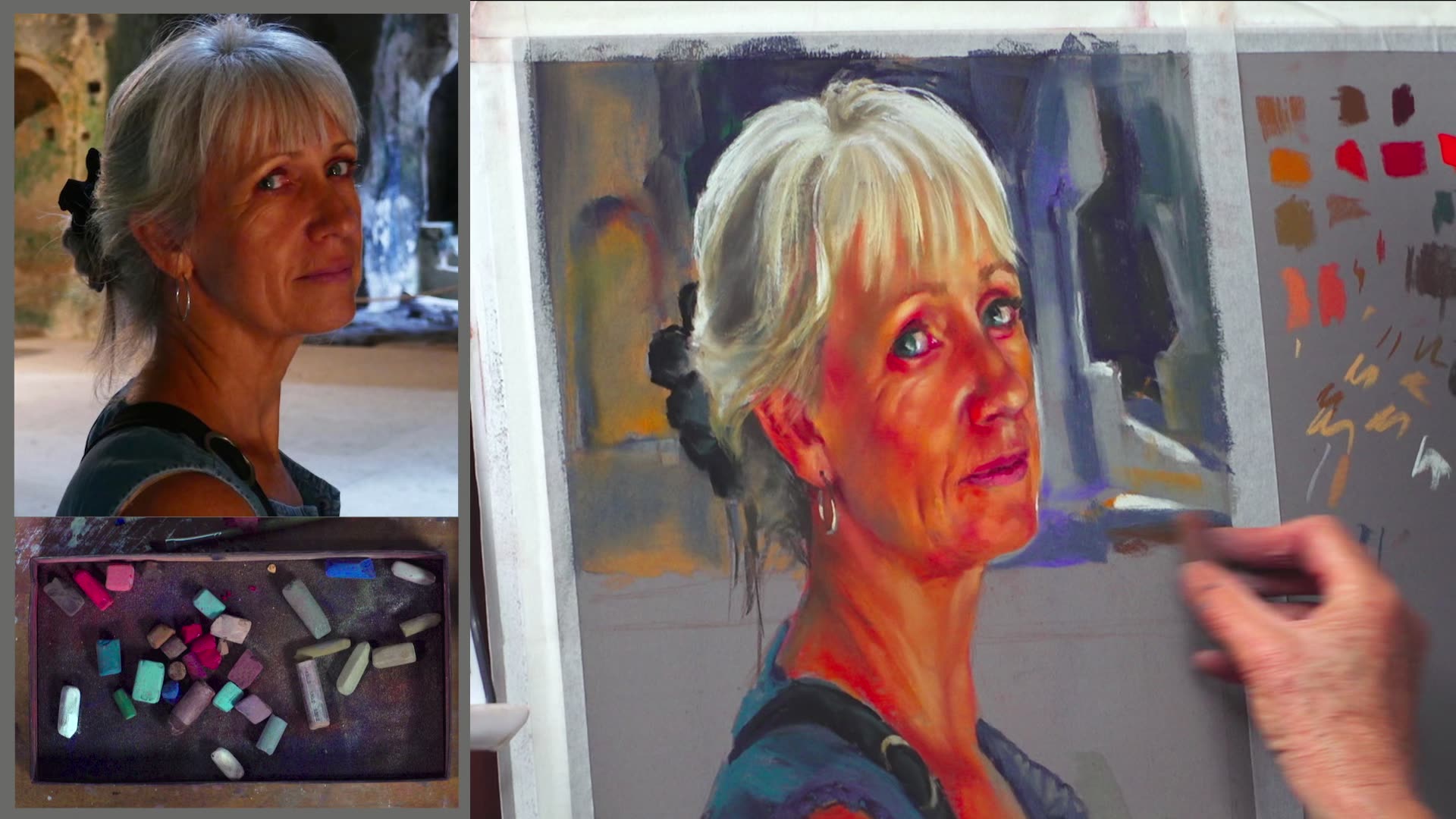
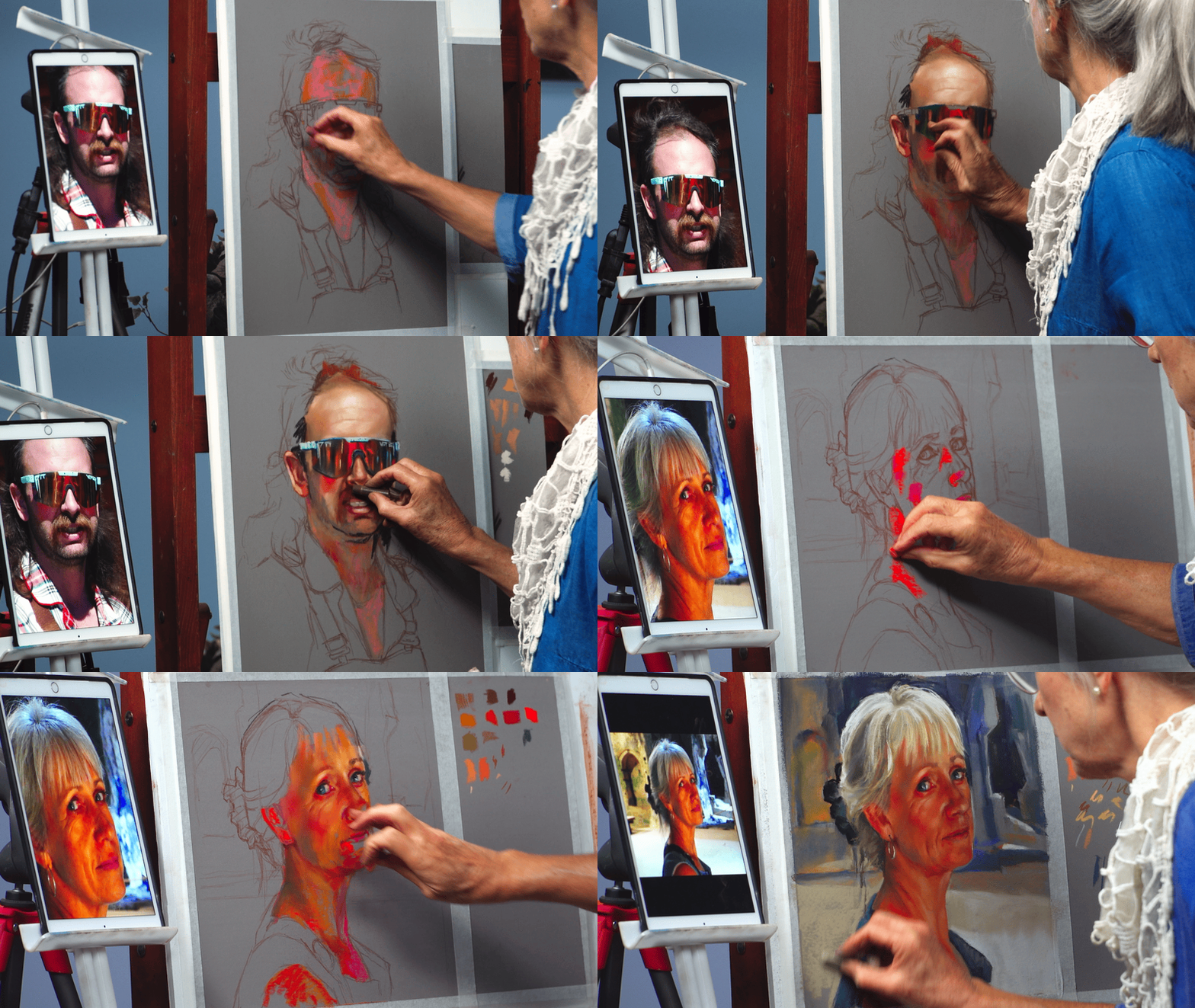
This course is not just about copying Lyn’s two paintings.
It’s about learning the process she uses to make portraits work.
As you follow along, you’ll see how Lyn builds a portrait through a clear sequence:
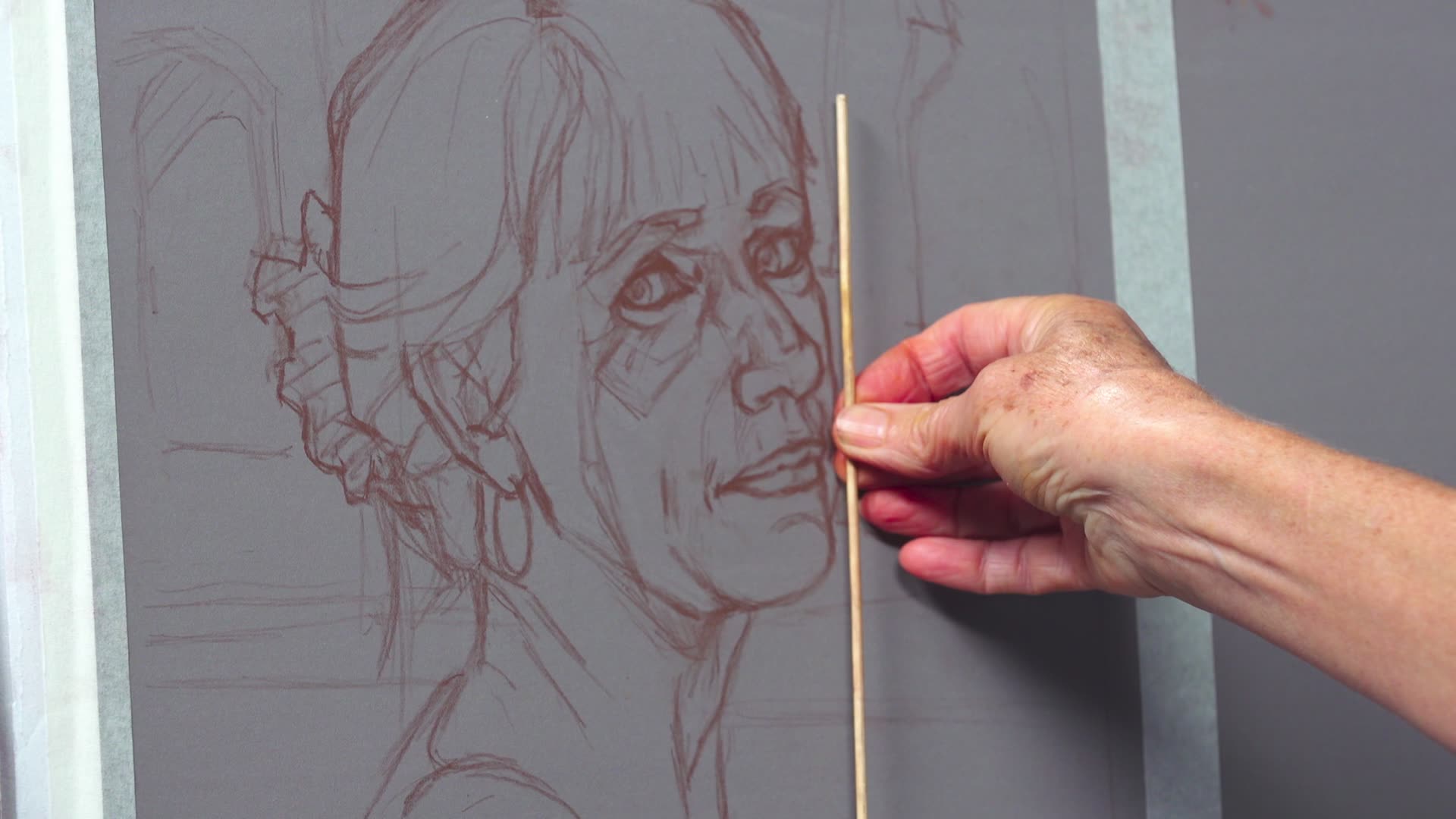
1. Establish the likeness before the pastel work begins
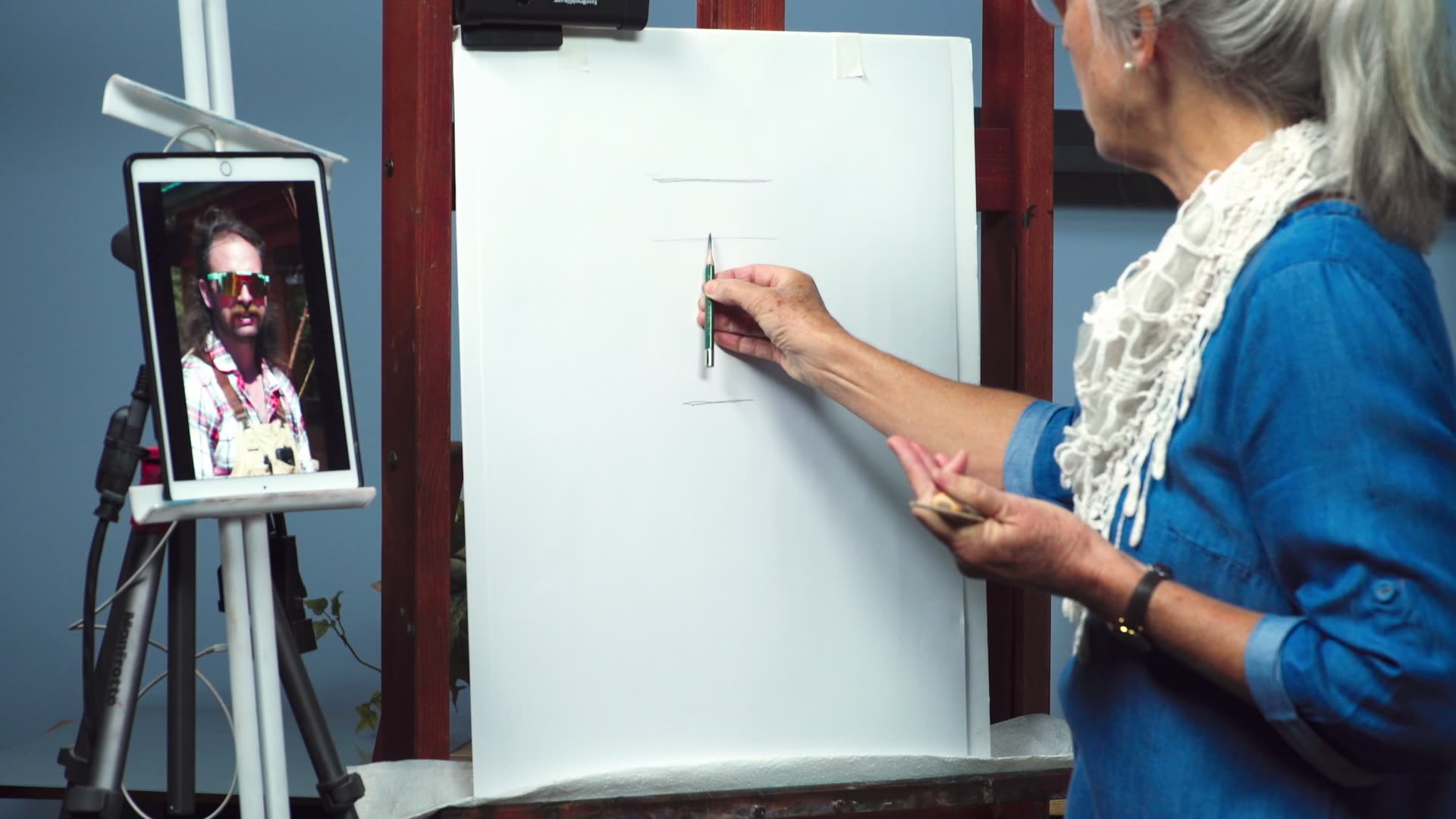
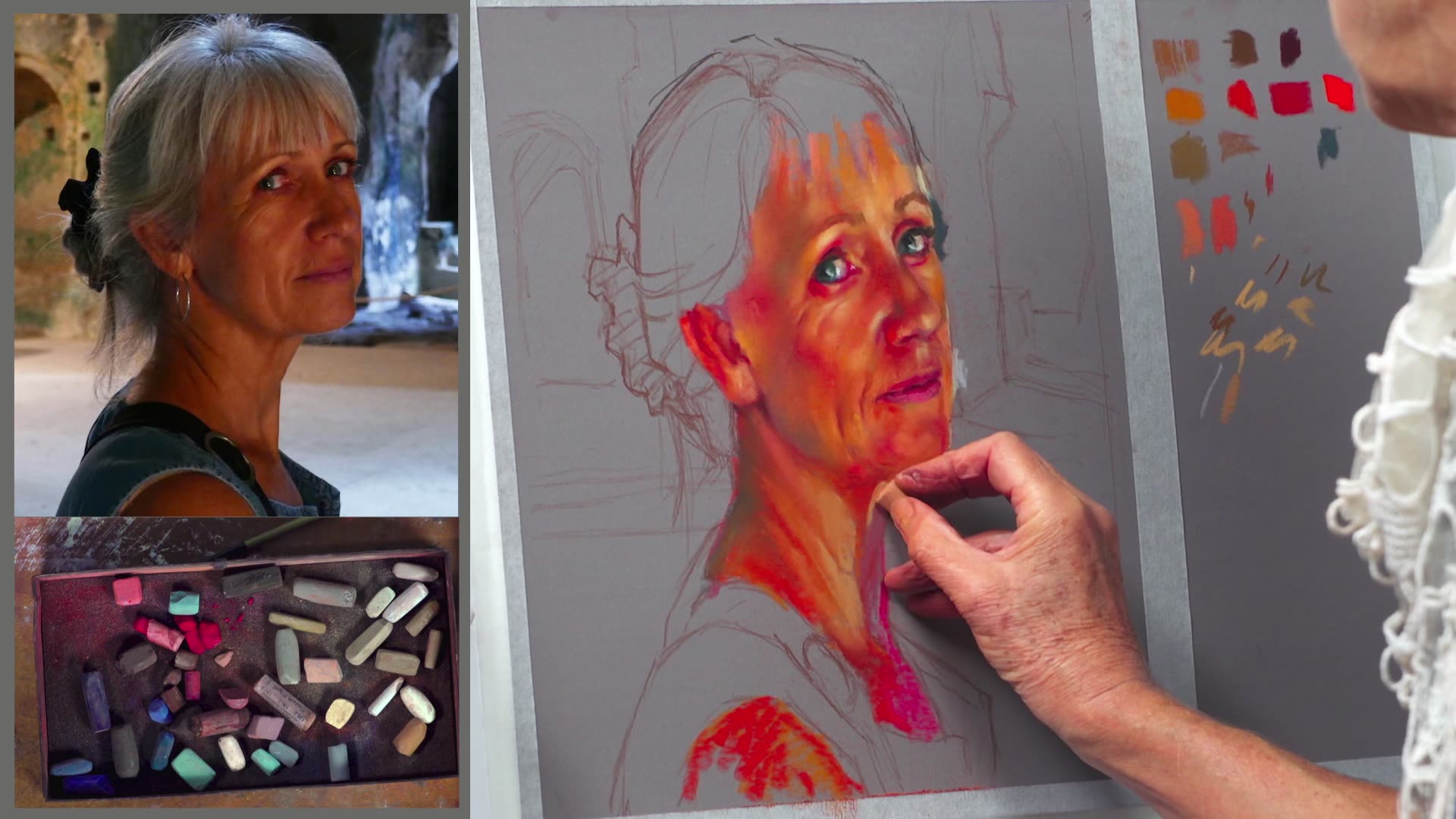
Lyn begins with the drawing, using the “lines of length” technique she learned from portrait master Daniel Greene.
These key lines help establish the proportions, placement, and structure that make a convincing likeness possible before a single stroke of pastel goes down.
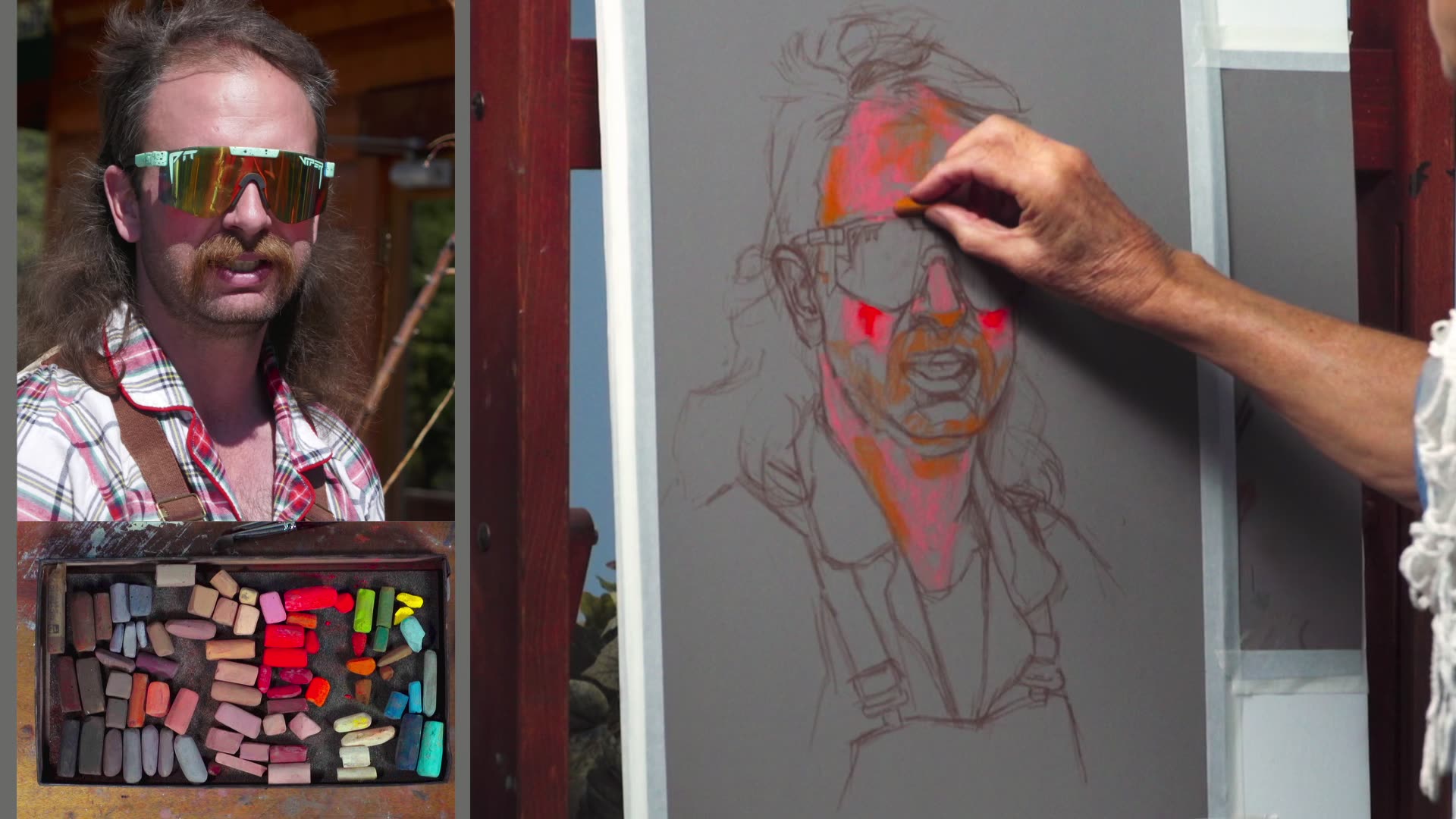
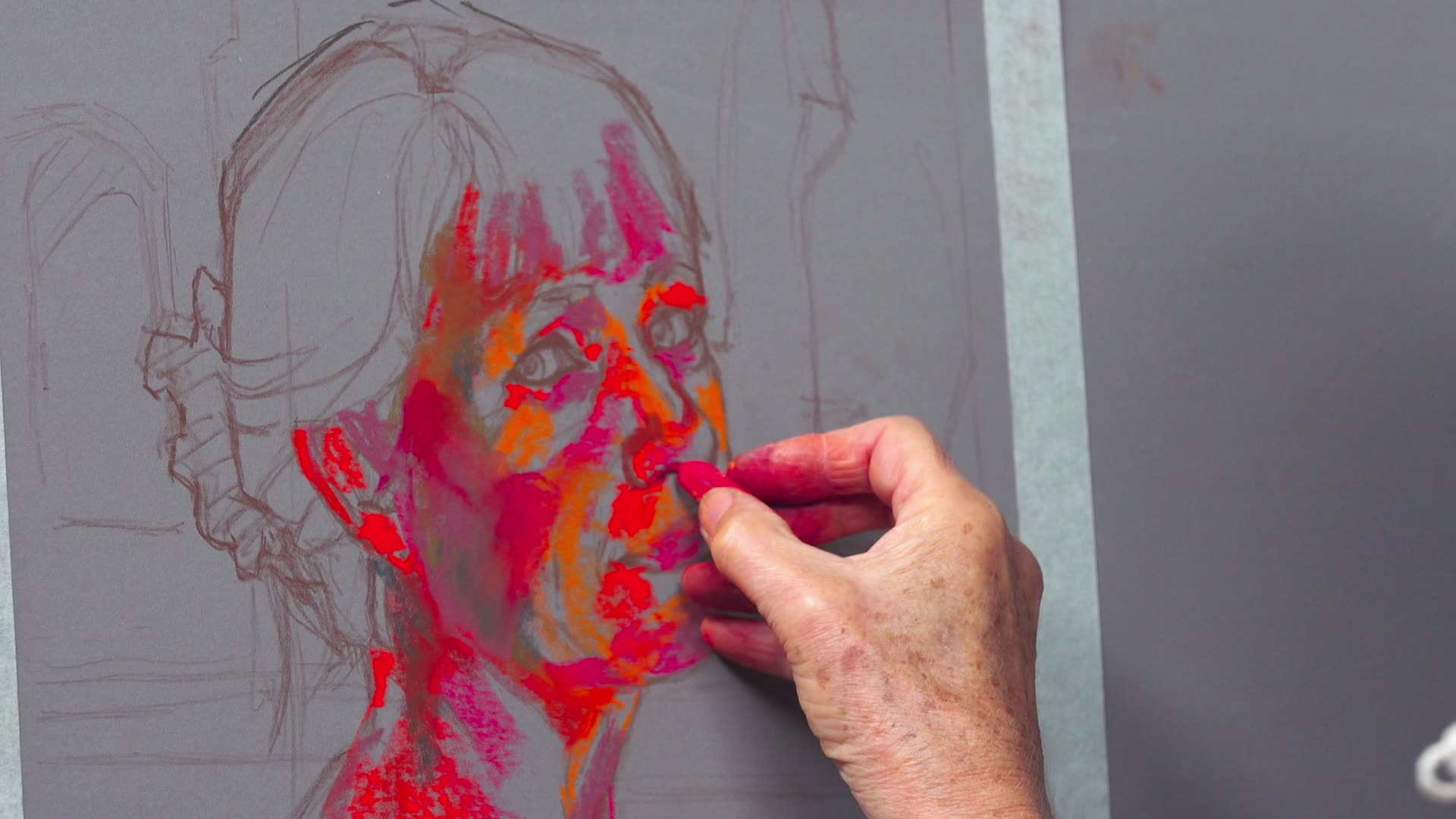
2. Build glowing skin from underneath
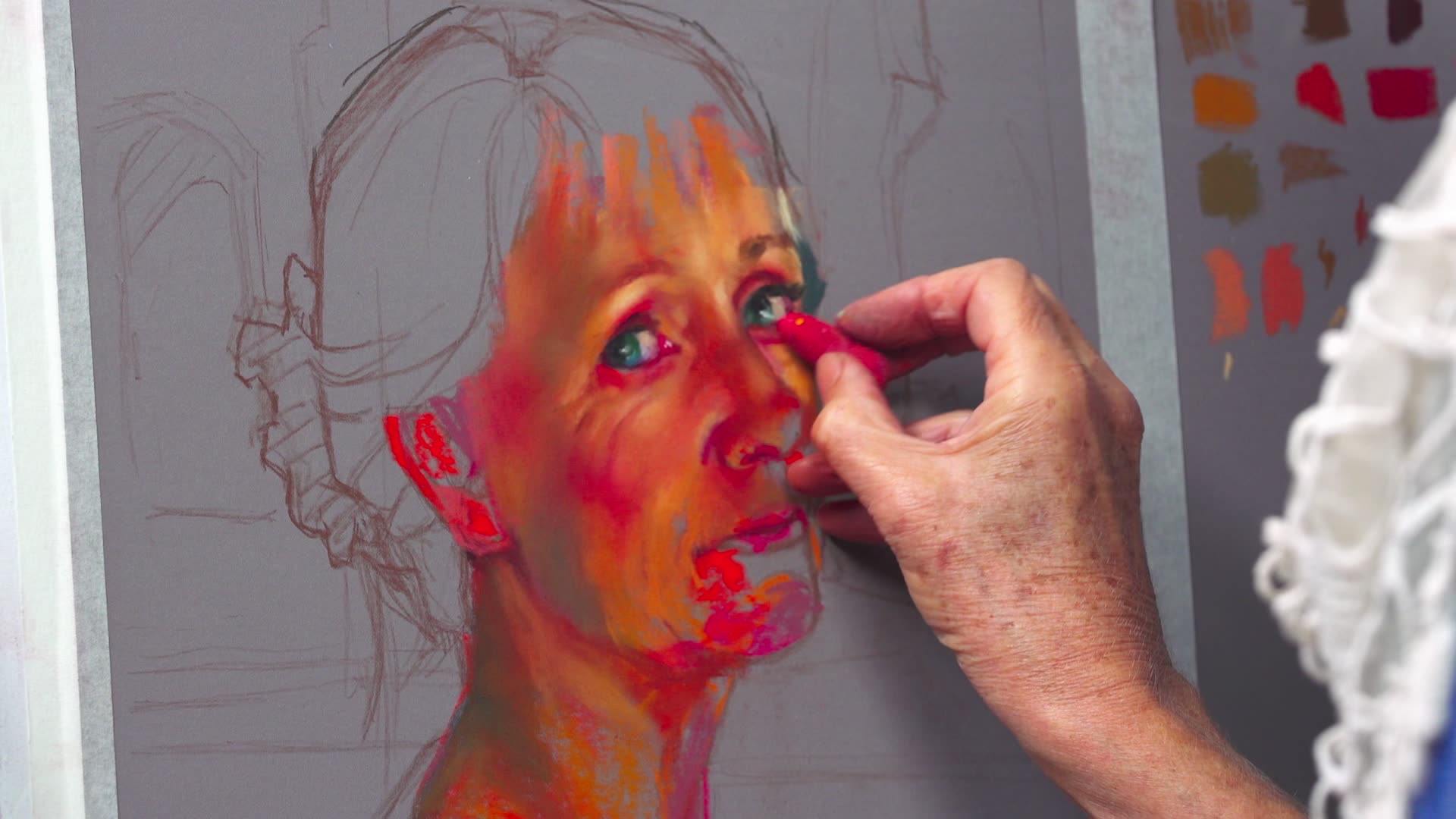
Before the natural skin tones arrive, Lyn creates what she calls the “blood flow” — a bold, colorful underpainting that gives the portrait life and luminosity from the very beginning.
This is one of the secrets to avoiding dead, dull, or muddy color.
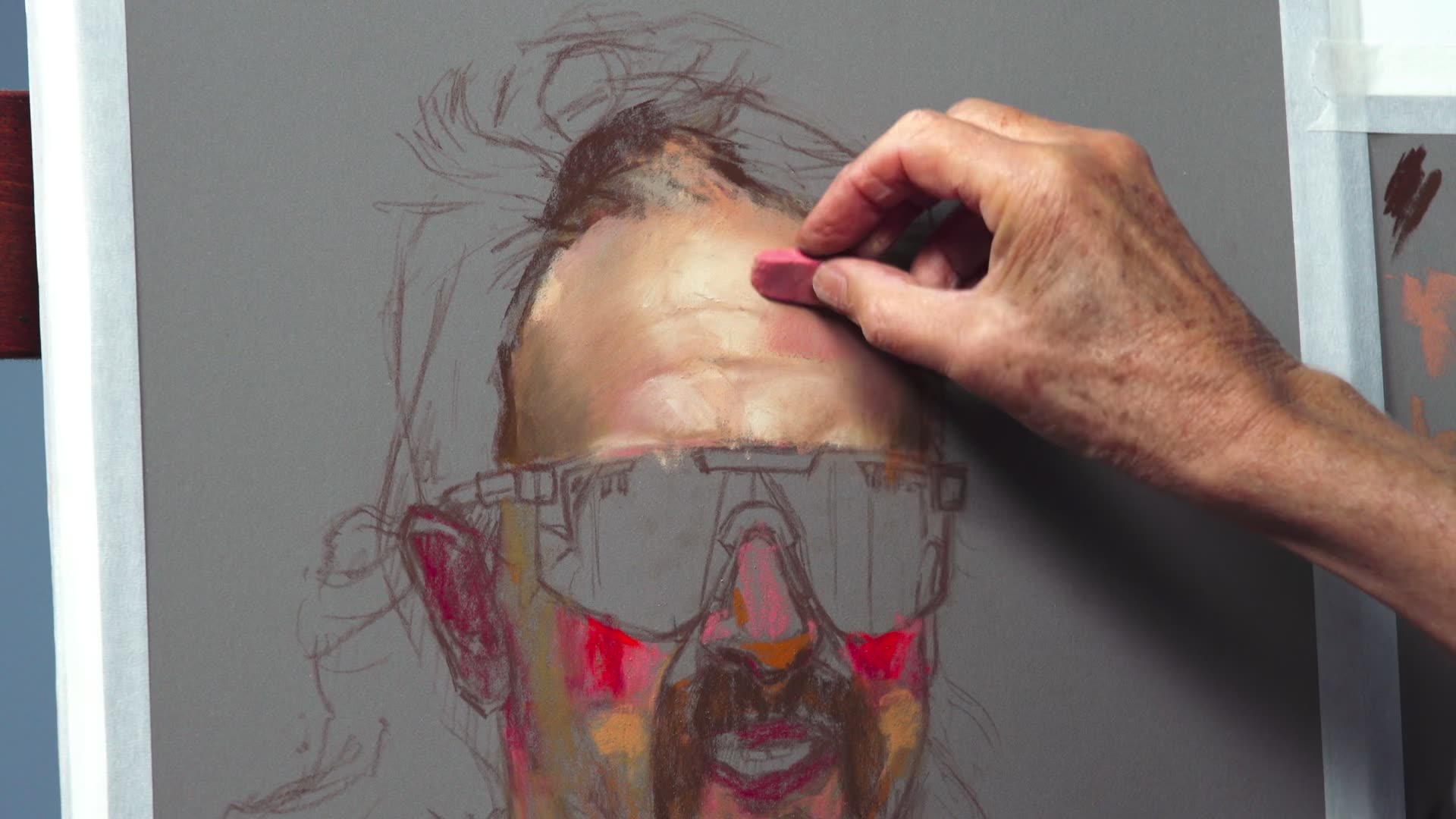
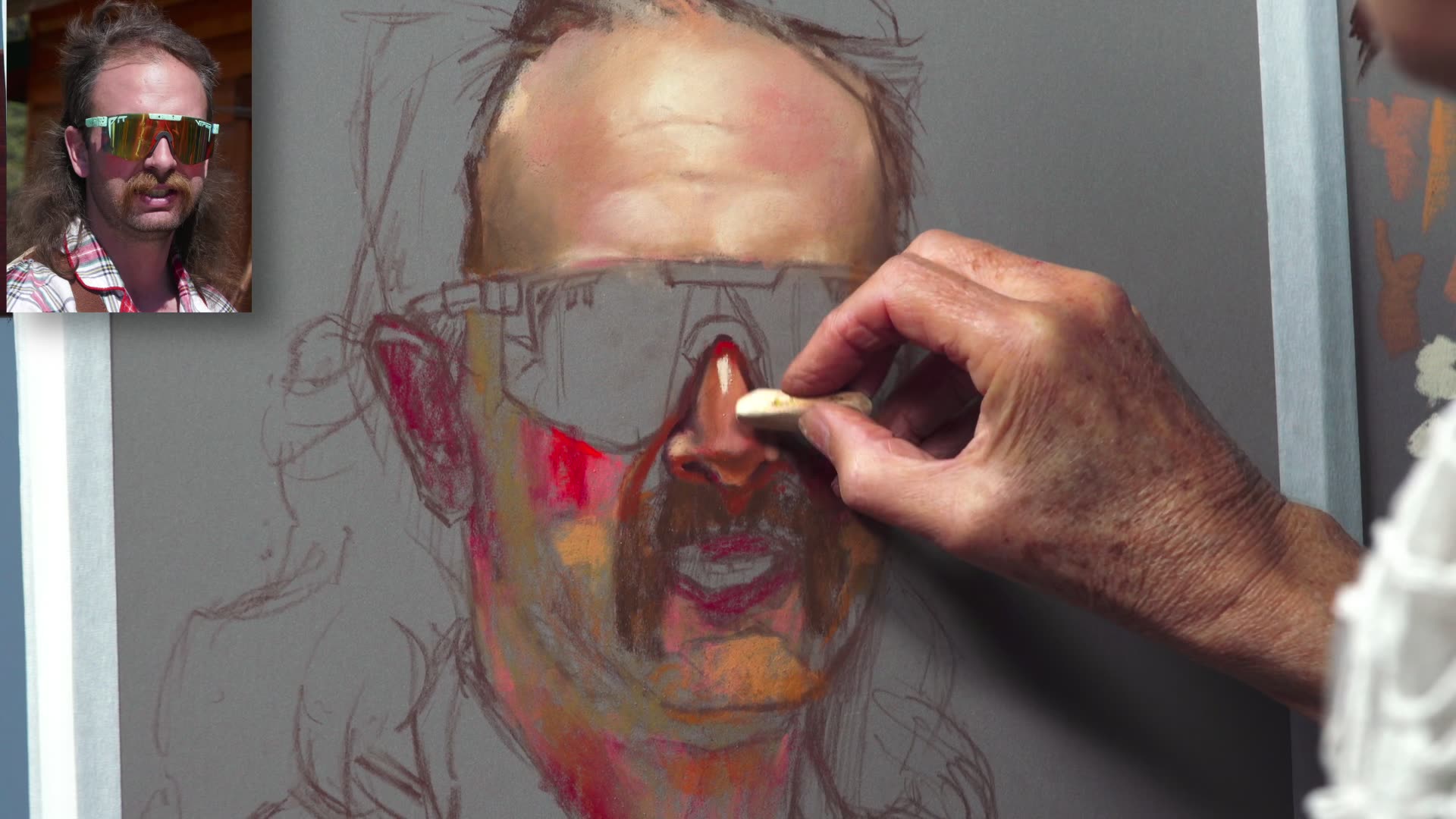
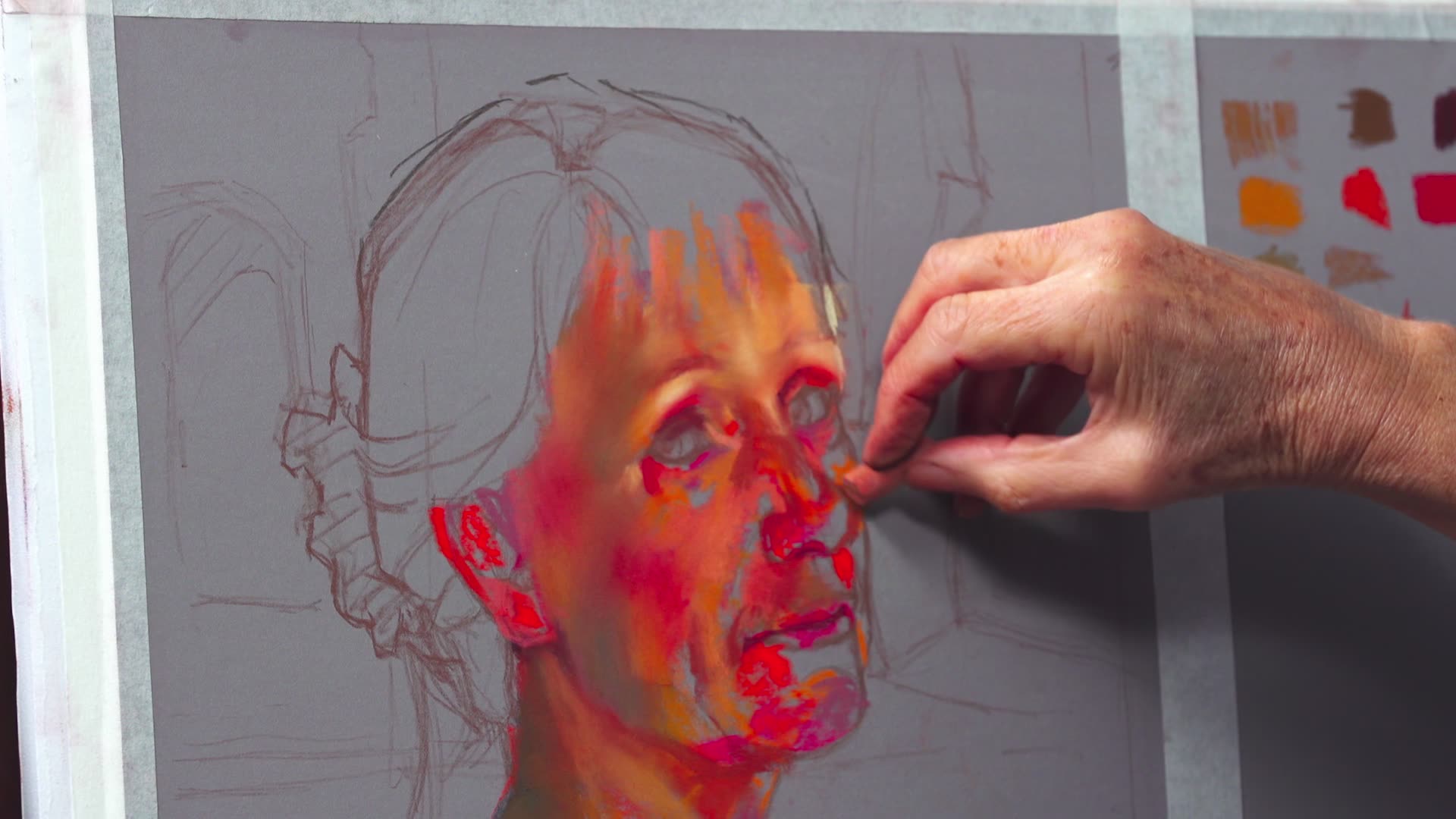
3. Sculpt the face instead of simply filling it in
Lyn doesn’t treat the face as a collection of separate features.
She treats it as a three-dimensional form to be built.
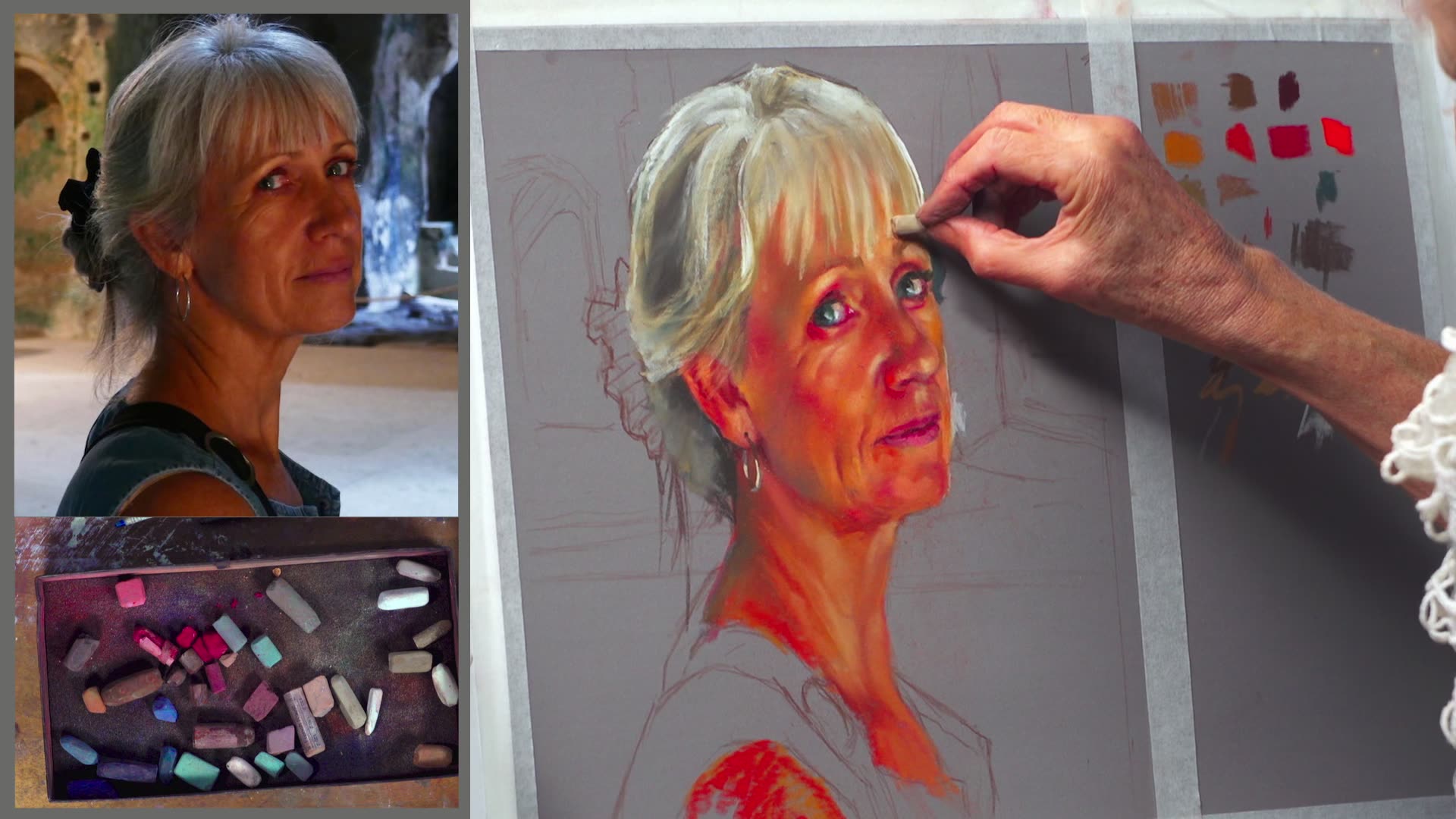
Using line, value, color, edge, and stroke, she shows you how to turn the form of the forehead, nose, eyes, mouth, cheeks, hair, and neck so the portrait feels dimensional and alive.
4. Work in a deliberate sequence
Because pastel can fill the tooth of the paper too quickly, sequence matters.
Lyn shows you how to work top to bottom, build in layers, preserve the surface, and make corrections without panic.
5. Diagnose problems as they appear
When something looks wrong, Lyn returns to her four-part framework:
Line. Value. Color. Edge.
This gives you a practical way to identify what needs fixing — instead of guessing, blending, or overworking the painting.